
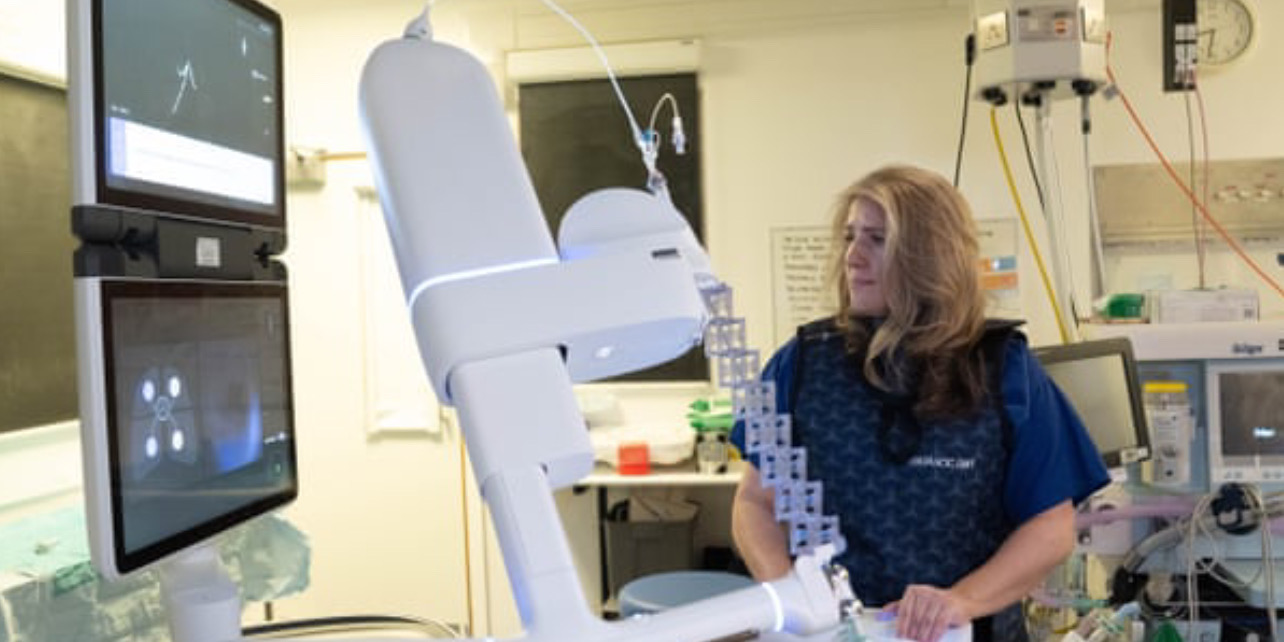
NHS England is launching a new trial combining artificial intelligence and robot-assisted procedures to speed up the detection and diagnosis of lung cancer, the UK’s deadliest cancer.
The trial coincides with a major NHS commitment to offer lung cancer screening to all smokers and ex-smokers by 2030. This expansion is expected to result in around 50,000 lung cancer diagnoses by 2035, with an estimated 23,000 caught at an early stage. Detecting cancer earlier could save thousands of lives.
Lung cancer is a central focus of the upcoming national cancer plan for England, due to its status as Britain’s biggest cancer killer. The disease is linked to historic high smoking rates and is responsible for approximately 33,100 deaths each year across the UK, averaging about 91 deaths per day.
The issue also highlights severe health inequalities across the country. Lung cancer disproportionately affects people living in deprived areas, contributing to a significant portion of the nine-year life expectancy gap between England’s richest and poorest communities.
NHS leaders believe that AI and robotics could help doctors identify more cases earlier, enabling treatment to begin sooner and improving survival chances. The trial will be conducted at Guy’s and St Thomas’ NHS Foundation Trust in London.
In the trial, AI software will analyse lung scans and flag small nodules that are most likely to be cancerous. Some of these nodules may be as small as 6mm, similar in size to a grain of rice.
A robotic camera will then guide miniature biopsy tools to collect tissue samples. This approach can reach nodules located deep within the lung that are difficult to detect or access using current methods. The tissue samples will be analysed in a laboratory to confirm whether the nodules are cancerous.
If successful, the technology could transform lung cancer diagnosis as the NHS screening programme identifies more patients with small nodules. Many patients who currently face weeks of repeated scans and procedures could instead receive a single half-hour biopsy, reducing uncertainty and avoiding more invasive surgery.
The trial team has already completed around 300 robotic biopsies, resulting in 215 people starting cancer treatment.
Lung cancer is the leading cause of cancer death in the UK, but diagnosing it at an earlier stage can significantly improve survival rates. New technologies like AI and robotics could dramatically change patient outcomes, and rapid testing in real-world settings is essential to ensure accuracy and benefit for patients.