
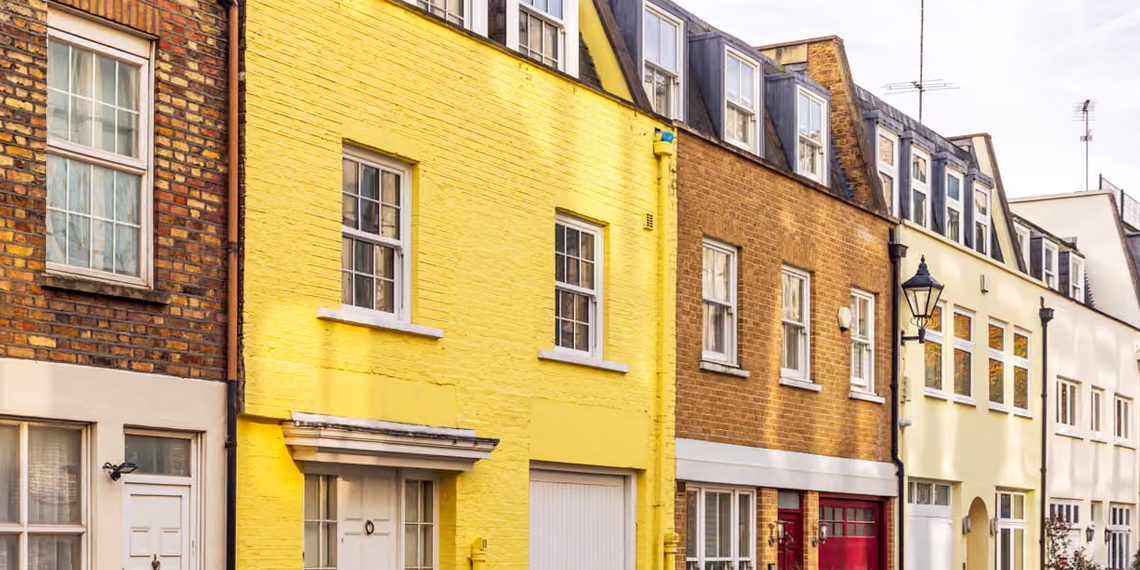
The average price of a UK home has risen above £300,000 for the first time on record, according to new figures from Halifax, marking a key milestone for the housing market at the start of 2026.
Data from the lender shows house prices increased by 0.7% in January, the fastest monthly rise since November 2024. On an annual basis, prices were up 1%, taking the average UK property value to a record £300,077.
Halifax, part of Lloyds Banking Group, said the latest figures signal a rebound following a sluggish end to 2025, when prices dipped in the run-up to Christmas. The lender revised December’s fall to 0.5%, highlighting the scale of January’s recovery.
However, rival lender Nationwide continues to report a significantly lower average house price of £270,873, reflecting differences in methodology and mortgage data.
Amanda Bryden, head of mortgages at Halifax, said the housing market had entered the new year on a steady footing.
She said the £300,000 mark was an important milestone, but warned affordability remains a major challenge for many buyers. Halifax expects UK house prices to rise by between 1% and 3% over the course of 2026.
Nationwide has forecast slightly stronger growth, predicting prices will increase by 2% to 4% this year.
Mortgage market conditions have been supported by a series of interest rate cuts from the Bank of England since mid-2024. The base rate currently stands at 3.75%, after the Bank held rates steady in December amid concerns over rising inflation.
Inflation increased to 3.4% in December, its first rise in five months. Despite this, a narrow 5-4 split among policymakers has led markets to expect further rate cuts later in 2026, which could gradually improve affordability for buyers.
Regional data shows Northern Ireland continues to record the strongest annual growth in the UK, with house prices up 5.9% to an average of £217,206.
Scotland is close behind, with prices rising 5.4% to £221,711. In Wales, growth has been more subdued, at 0.5%, with the average home costing £228,415.
In England, the north-west is leading regional growth, with prices up 2.1% to an average of £244,329.
Mortgage experts said future price movements will depend heavily on whether further interest rate cuts materialise.
Karen Noye, a mortgage specialist at Quilter, said any rate reductions are likely to provide gradual support rather than triggering a rapid surge in prices.
She said stability has returned to the housing market, but buyer confidence remains cautious, which is likely to keep price growth contained in the months ahead.
Anthony Codling, analyst at RBC Capital Markets, said rising wages, falling mortgage rates and eased lending limits have all helped to support national house prices, despite ongoing affordability pressures.
While the average UK house price has now crossed £300,000, longer-term growth has slowed compared with the pandemic boom.
Over the past three years, prices have risen by 5.7%, or around £16,000, as higher interest rates have weighed on demand. By contrast, between 2020 and 2023, house prices surged by nearly 19%, driven by ultra-low borrowing costs and pandemic-related demand for larger homes.
Differences between Halifax and Nationwide figures are partly due to the lenders using their own mortgage approval data. Neither includes cash purchases, which account for up to 40% of property sales, and Nationwide also excludes buy-to-let transactions.