
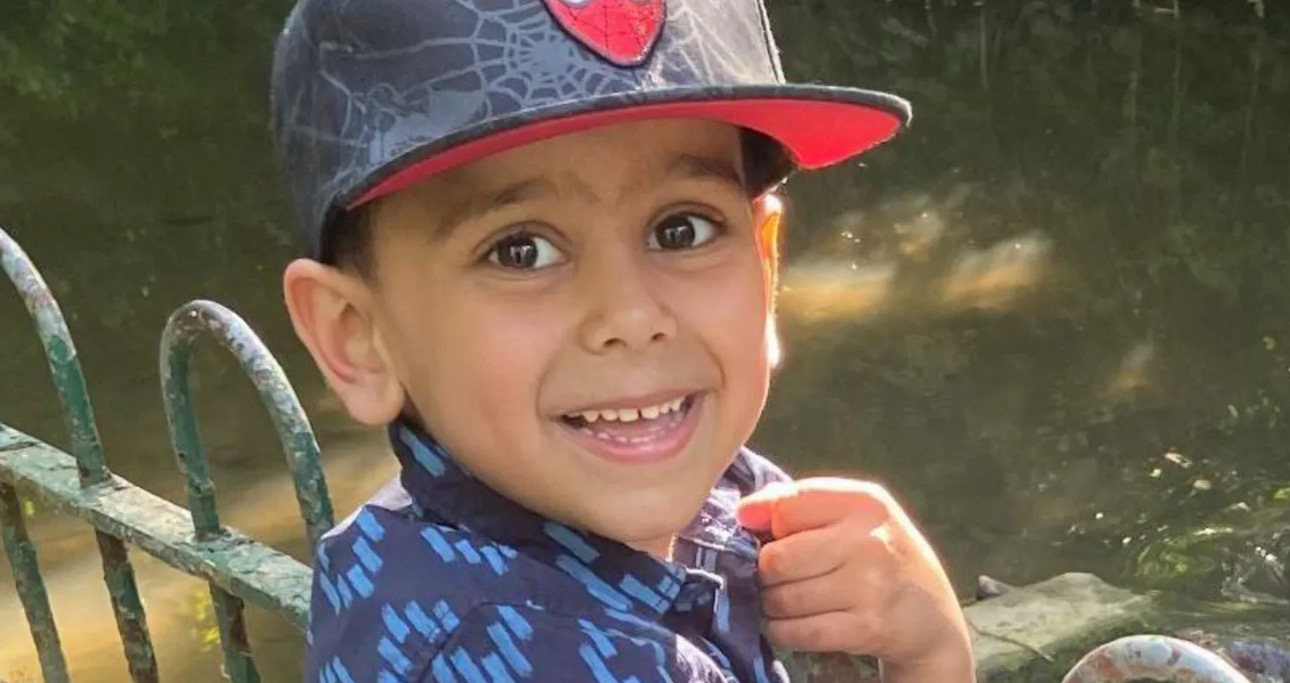
The Yusuf Mahmud Nazir inquest is set to examine the circumstances surrounding the death of the five-year-old boy, as his family demand accountability for what they describe as serious NHS failures. Yusuf died at Sheffield Children’s Hospital on 23 November 2022, eight days after first being treated at Rotherham Hospital, and relatives say the forthcoming hearing must uncover the full truth.
The family believes systemic shortcomings across multiple healthcare services contributed to the tragedy. Speaking after a pre-inquest review in Sheffield on Wednesday, Yusuf’s uncle, Zaheer Ahmed, said the family wants clear answers and meaningful accountability when the four-day hearing begins on 13 April.
Family demands answers
Ahmed attended the review alongside Yusuf’s mother, Soniya Ahmed, and other relatives. He said the family hopes the inquest will expose what went wrong and ensure responsibility is properly addressed.
“We want the truth, but we also want people to be held accountable,” Ahmed said. “We don’t just want ‘lessons have been learned’.”
He added that the inquest process should clarify the sequence of events that led to Yusuf’s death and determine whether earlier intervention could have changed the outcome.
Timeline of Yusuf’s treatment
Yusuf, who had a history of asthma, first visited his GP on 15 November 2022 with a sore throat and general illness. He was prescribed antibiotics by an advanced nurse practitioner.
Later the same day, his parents took him to the urgent and emergency care centre at Rotherham Hospital. After waiting around six hours, he was discharged in the early hours with a diagnosis of severe tonsillitis and a further course of antibiotics.
The family has consistently maintained that they were told there were insufficient beds or doctors available that night. They believe Yusuf should have been admitted and treated with intravenous antibiotics at that stage.
Two days later, Yusuf’s GP issued another antibiotic prescription for a suspected chest infection. As his condition worsened, his family called an ambulance and requested he be taken to Sheffield Children’s Hospital rather than returning to Rotherham.
Rapid deterioration and death
Yusuf was admitted to intensive care on 21 November. Despite treatment, he developed multi-organ failure and suffered several cardiac arrests before dying two days later.
An NHS England report published in July concluded that parental concerns — particularly those raised by Yusuf’s mother — “were repeatedly not addressed across services.” The findings intensified the family’s calls for a full inquest.
Following the report, the inquest formally opened in August. In December, the family met Health Secretary Wes Streeting, who told them he took their concerns “very, very seriously.”
Scrutiny of NHS emergency care
Yusuf’s case comes amid broader national concern about pressures on NHS urgent and emergency services. In recent years, hospitals across England have faced rising demand, workforce shortages and bed capacity challenges, all of which have contributed to longer A&E waiting times.
Patient safety groups have increasingly warned that communication failures and the dismissal of parental concerns can play a critical role in adverse outcomes involving children. Campaigners say the forthcoming inquest could have wider implications for how seriously clinicians must treat family warnings when assessing young patients.
The four-day hearing scheduled for April is expected to examine decision-making across primary care, emergency services and specialist paediatric treatment. For Yusuf’s family, the outcome represents a crucial step toward accountability and potential systemic change within the NHS.