
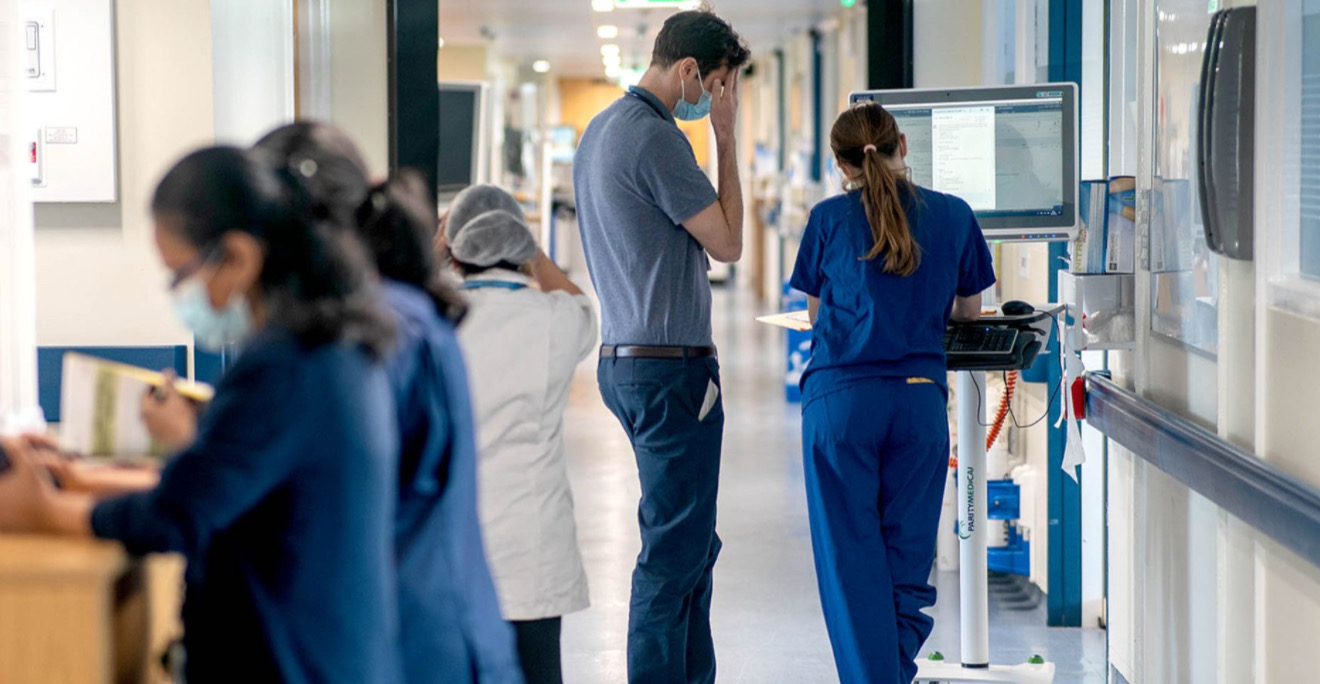
The latest NHS staff violence survey has revealed that attacks against healthcare workers in England have reached a three-year high, raising fresh concerns about safety within hospitals and medical facilities.
According to the nationwide survey of more than 766,000 NHS employees, 14.47% of staff reported experiencing at least one incident of violence from patients or members of the public during the past year. This represents the highest level recorded since 2022.
The findings also highlight widespread harassment, bullying and abuse faced by healthcare workers, reflecting the mounting pressures experienced by NHS staff across the country.
The NHS staff violence survey indicates that workplace safety and staff wellbeing remain major challenges for the healthcare system as demand for services continues to grow.
Violence against NHS workers at highest level in three years
The survey shows that nearly one in seven NHS employees in England experienced violence while carrying out their duties over the previous 12 months.
Healthcare staff frequently encounter difficult and stressful situations while providing medical care, particularly in emergency departments and frontline services.
However, the survey results suggest that aggressive behaviour from patients or members of the public remains a serious and persistent issue.
The figure of 14.47% marks the highest proportion of reported violent incidents in three years.
Healthcare leaders warn that such attacks can have a significant impact on staff morale, mental health and the ability to deliver safe care.
Harassment and bullying also widespread
Beyond physical violence, the NHS staff violence survey highlights high levels of verbal abuse, harassment and bullying experienced by staff members.
More than one quarter of NHS employees reported experiencing harassment, bullying or abuse during the past year.
The figure represents a slight increase compared with 2024.
Healthcare workers often report facing verbal aggression while dealing with long waiting times, staff shortages and high-pressure situations within hospitals and clinics.
Experts say such environments can lead to tensions between patients and medical staff.
Increase in unwanted sexual behaviour from patients
The survey also recorded the highest level of unwanted sexual behaviour from patients since the question was first included three years ago.
Almost one in ten NHS staff members reported experiencing inappropriate sexual behaviour from patients.
Incidents reported include inappropriate comments, unwanted touching and other forms of misconduct.
While such behaviour remains relatively rare compared with other forms of abuse, healthcare leaders say it represents a serious concern for workplace safety.
Lower reports of sexual misconduct from colleagues
The NHS staff violence survey also examined incidents involving colleagues within the workplace.
About 3.5% of staff reported experiencing unwanted sexual behaviour from fellow employees.
This figure represents the lowest level recorded in the past three years.
Although lower than previous years, NHS leaders stress that even small numbers of incidents require serious attention and action.
Rising reports of discrimination
The survey also found that discrimination remains a significant issue for healthcare workers.
Nearly one in ten NHS staff reported experiencing discrimination from patients or members of the public.
This represents the highest recorded level since the survey began collecting such data.
Discrimination based on race, gender, religion or other personal characteristics has been highlighted by healthcare organisations as a continuing challenge.
Discrimination within the workplace
In addition to discrimination from the public, the NHS staff violence survey also recorded reports of discrimination within NHS workplaces.
Approximately 9% of employees said they experienced discrimination from managers, team leaders or colleagues.
This figure was slightly lower than the previous year’s survey.
While the decrease suggests some improvement, staff organisations say the issue remains a concern for workplace culture within the health service.
NHS leaders warn of worrying trend
Danny Mortimer, director general for workforce and people at NHS England, said the findings highlight the pressures faced by healthcare staff.
“These figures paint a deeply worrying picture of the abuse our hardworking NHS staff face,” he said.
Mortimer stressed that staff safety must remain a top priority for the health service.
He encouraged employees who experience abuse or harassment to report incidents so organisations can take action.
“Staff safety and wellbeing is paramount, and we want everyone experiencing any kind of unwanted incident to feel confident enough to report it,” he said.
Staff confidence in raising concerns declining
The NHS staff violence survey also revealed declining confidence among employees in raising concerns about unsafe clinical practices.
Only 71.1% of staff said they feel secure raising concerns about patient safety, representing the lowest level recorded in five years.
Confidence that organisations will respond effectively to those concerns has also dropped.
Just 55% of staff said they believe their organisation would address issues they raise, also the lowest figure in five years.
Experts say these findings could have implications for patient safety and quality of care.
Staffing pressures continue across NHS
The survey also highlights the ongoing workforce pressures affecting NHS services.
Only 46.51% of employees said they are able to meet all the conflicting demands on their time at work.
This figure represents a slight decline compared with last year.
Meanwhile, fewer than one-third of staff – 32.8% – believe their organisation has enough staff for them to do their job properly.
These results reflect long-standing concerns about staff shortages across hospitals and healthcare services.
Patient care confidence remains mixed
The NHS staff violence survey also asked employees about their confidence in the quality of care provided by their organisations.
Just 62.84% of staff said they would be happy with the standard of care if a friend or relative needed treatment.
Although a majority still expressed confidence in patient care, the figure suggests ongoing concerns about the pressures faced by healthcare providers.
Healthcare experts say improving staff wellbeing is essential for maintaining high standards of patient care.
Challenges facing the NHS workforce
The findings come at a time when the NHS is dealing with a range of challenges, including staff shortages, increasing patient demand and long waiting lists for treatment.
Healthcare workers have faced particularly intense pressure in recent years following the COVID-19 pandemic.
Many hospitals continue to experience high patient numbers and limited staffing resources.
These conditions can increase stress for both patients and healthcare workers, potentially contributing to incidents of violence or abuse.
The NHS staff violence survey highlights the importance of improving workplace safety and ensuring that staff feel supported and protected while delivering essential healthcare services.