
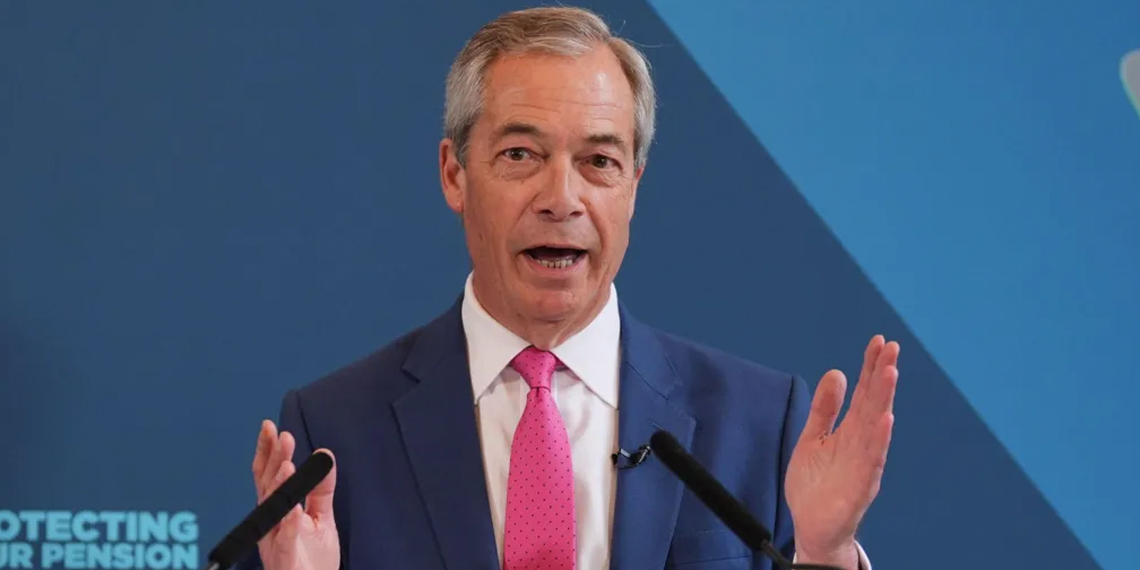
Reform UK has pledged to preserve the state pension triple lock while proposing sweeping cuts to welfare spending, positioning the move as a cornerstone of its economic policy.
Party leader Nigel Farage said the decision followed internal debate over the long-term affordability of the policy, which guarantees annual pension increases based on inflation, wage growth, or 2.5%—whichever is highest.
The triple lock, introduced in 2011, is projected to cost up to £15.5 billion annually by 2030, placing increasing pressure on public finances. Reform UK now argues that significant reductions in welfare spending could offset these costs.
Treasury spokesman Robert Jenrick said the party has identified potential savings of up to £40 billion, with plans to announce detailed welfare cuts in the near future. He emphasized that the measures would be sufficient to fund the continued rise in pension payments.
The proposal marks a shift from earlier signals by Farage, who had previously raised concerns about the sustainability of the triple lock. The policy remains politically sensitive, as it is widely supported by older voters but criticized for placing a growing financial burden on younger generations.
Economists and policy groups have expressed skepticism over the feasibility of Reform UK’s plans, warning that rising pension costs—alongside spending on healthcare and social welfare—pose long-term fiscal challenges.
The UK state pension is set to increase by 4.7% from April, driven by wage growth, with major political parties—including the Conservatives, Labour, and the Liberal Democrats—also committed to maintaining the triple lock.
The debate underscores mounting pressure on Britain’s public finances as policymakers grapple with balancing pension commitments and broader economic sustainability.