
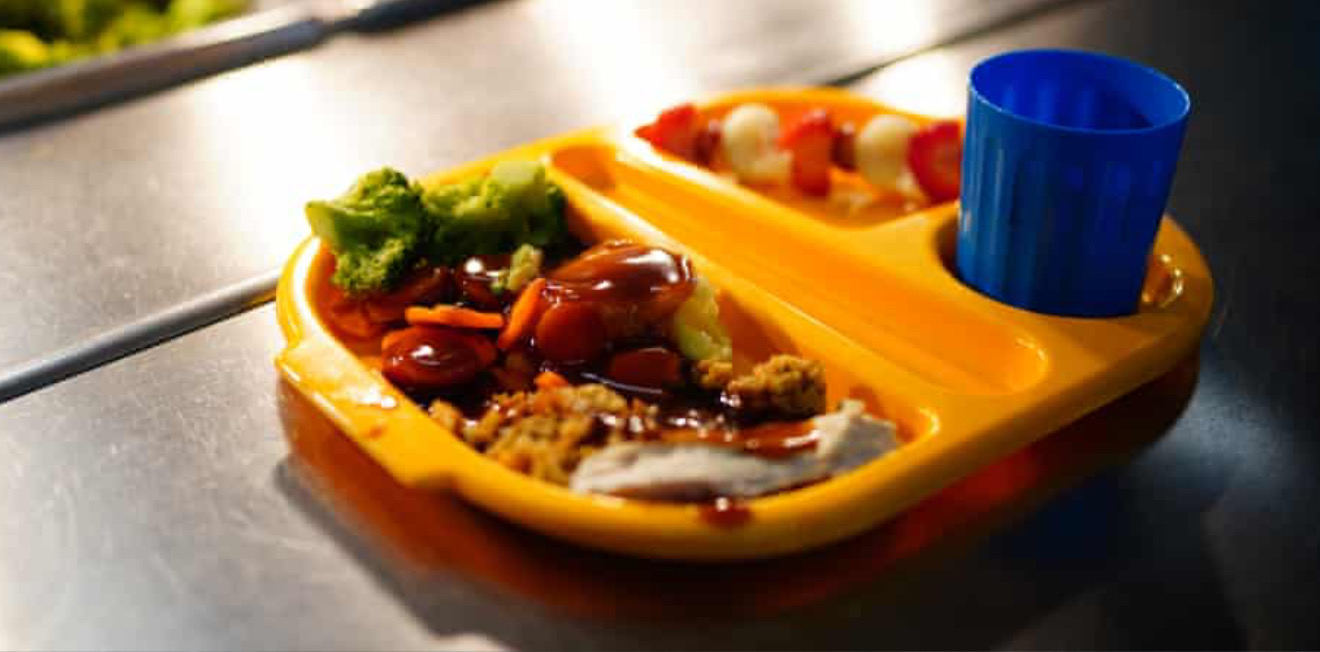
The rollout of new school food standards in England has raised concerns after a pilot programme recorded a 15% drop in meal uptake, with many pupils choosing packed lunches over healthier school meals. The findings have triggered debate over whether stricter nutrition rules could unintentionally undermine efforts to improve children’s diets.
The six-week trial, conducted at a primary school in Brighton, tested updated menus designed to align with the government’s new guidelines, which aim to reduce unhealthy ingredients and promote balanced nutrition. However, early results suggest that student preferences may pose a significant challenge to implementation.
Meal Uptake Falls During School Food Standards Trial
The pilot, led by an education catering company working with the Department for Education, introduced menus that removed popular items such as deep-fried foods, sugary desserts, and certain familiar meal options. While the changes were intended to encourage healthier eating habits, participation in school meal programmes declined by 15% by the end of the trial.
Many pupils reportedly opted to bring packed lunches instead of choosing the revised school meals. Observations of these packed lunches revealed that they often included less nutritious items such as crisps and chocolate, raising concerns about the unintended consequences of the policy.
Caterers involved in the trial warned that stricter and more prescriptive menus could alienate both pupils and parents if the food does not meet expectations in terms of taste and familiarity.
Rising Costs Add Pressure to School Catering
In addition to falling uptake, the pilot highlighted rising costs associated with implementing the new school food standards. The use of higher-quality ingredients led to an increase of approximately 20p per meal, adding financial strain to an already underfunded sector.
Catering providers have raised concerns about the sustainability of these changes, particularly given the current level of government funding for school meals in England. At present, funding per meal remains lower than in other parts of the UK, creating a gap between costs and available resources.
Industry figures warn that without increased funding, more catering companies could struggle to remain viable, potentially reducing the availability of school meal services.
Concerns Over Long-Term Impact on Children’s Health
While the new standards have been welcomed by campaigners and public figures advocating for healthier diets, critics argue that the policy could backfire if children disengage from school meal programmes altogether.
Experts suggest that if pupils consistently choose packed lunches over regulated school meals, overall nutritional outcomes could worsen rather than improve. This is particularly concerning for children who rely on school meals as a key source of balanced nutrition.
There are also fears that declining participation could create a cycle of rising costs and reduced service quality, further discouraging uptake.
Funding Disparities Across the UK
A key issue highlighted by catering providers is the disparity in funding for school meals across the UK. England currently allocates less funding per meal compared to Wales, Scotland, and Northern Ireland, where higher rates enable greater flexibility in menu planning and ingredient quality.
Stakeholders argue that increasing funding would allow schools to offer more appealing and nutritious meals, helping to maintain participation while meeting the new standards.
Without additional investment, critics warn that schools may struggle to deliver both quality and affordability under the revised guidelines.
Calls for Monitoring and Enforcement
Concerns have also been raised about how compliance with the new school food standards will be monitored. Campaigners argue that without a robust enforcement system, the policy risks being inconsistently applied across schools.
Proposals include the introduction of an independent body to oversee implementation and ensure that standards are met. However, questions remain over how such a system would be funded and managed.
The government has indicated that further details on enforcement will be announced later, alongside requirements for schools to publish menus and appoint staff responsible for food policy oversight.
Government Response and Consultation Process
Officials have defended the new standards, stating that they were developed in consultation with schools, caterers, and nutrition experts. They argue that many schools are already successfully delivering meals that meet the guidelines, with some reporting increased uptake following menu improvements.
The government has launched a consultation period to gather feedback from stakeholders, aiming to refine the policy before full implementation. A phased approach is expected to allow schools and catering providers time to adapt to the changes.
School Meals and Public Health Policy
The introduction of stricter school food standards forms part of a broader effort to tackle childhood obesity and improve long-term health outcomes. Previous reforms in school food policy have aimed to reduce sugar, salt, and fat intake while promoting fresh and balanced meals.
High-profile campaigns over the past two decades have highlighted the importance of nutrition in schools, linking diet to academic performance and overall wellbeing. However, balancing health objectives with affordability and student preferences has remained a persistent challenge.
The latest trial underscores the complexity of implementing nationwide changes, as policymakers seek to improve nutrition without discouraging participation in school meal programmes.
As the consultation continues, the success of the new standards may depend on finding a balance between healthier food options, adequate funding, and meals that children are willing to eat.