
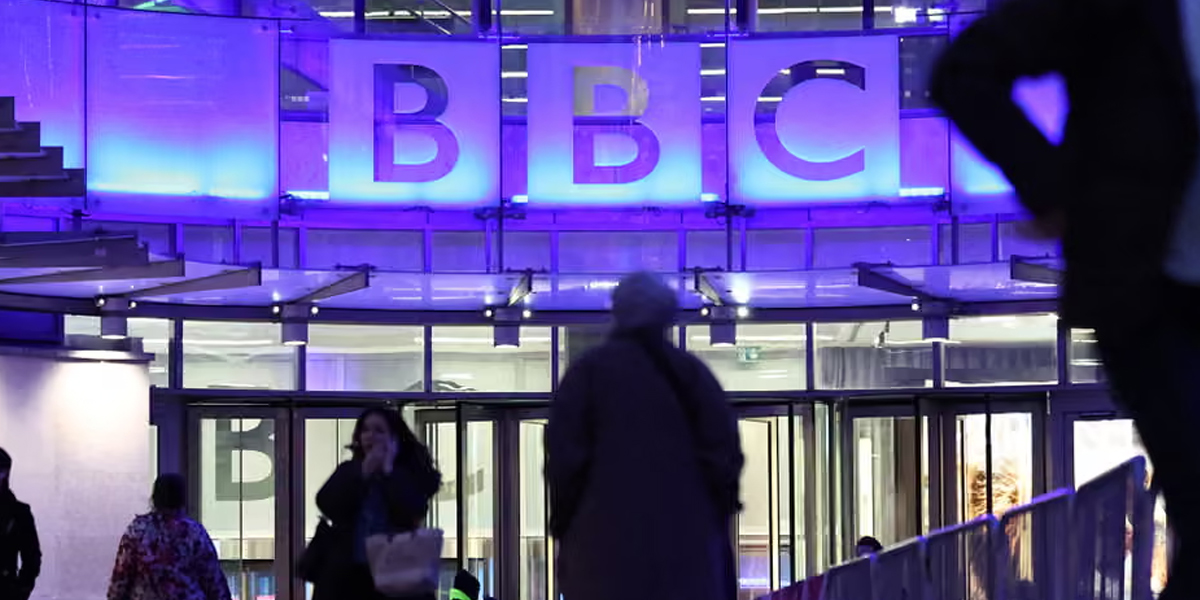
The BBC job cuts plan is set to eliminate up to 2,000 roles, marking the largest downsizing at the BBC in more than a decade as it seeks to manage mounting financial pressures and reshape its future in a rapidly changing media landscape.
Staff were informed of the planned cuts during an all-staff meeting, with the layoffs expected to affect around 10% of the broadcaster’s 21,500-strong workforce. The move forms part of a wider £600 million cost-cutting programme aimed at reducing operating expenses over the next three years.
Major Restructuring Ahead of Leadership Change
The BBC job cuts come just weeks before Matt Brittin, a former senior executive at Google, is due to take over as director general. He will succeed Tim Davie, who stepped down earlier this month following a period marked by editorial controversies and strategic challenges.
Interim director general Rhodri Talfan Davies is currently overseeing the transition and has been tasked with implementing the early stages of the restructuring plan before Brittin formally assumes leadership.
The cost-cutting initiative aims to reduce approximately 10% of the BBC’s annual £6 billion budget, reflecting ongoing efforts to maintain financial sustainability while adapting to shifting audience habits.
Financial Pressures Driving BBC Job Cuts
The BBC job cuts are largely driven by declining revenue streams and intensifying competition from digital platforms. The broadcaster continues to rely heavily on the licence fee, which recently increased from £174.50 to £180 per year.
Despite this increase, the number of households paying the licence fee has fallen by around 300,000 year-on-year, reflecting both rising evasion rates and a growing shift among viewers toward streaming services such as Netflix and Disney+.
Last year, licence fee income generated approximately £3.8 billion from 23.8 million households, supplemented by roughly £2 billion from commercial operations and grants. However, this funding model is under increasing strain as viewing habits evolve.
Union Concerns Over Impact on Public Service Role
Trade unions have warned that the scale of the BBC job cuts could significantly impact the broadcaster’s ability to deliver its public service mission. Bectu has described the planned redundancies as potentially devastating for both staff and output quality.
Union leaders argue that repeated rounds of job losses have already placed significant pressure on employees, raising concerns about workload, morale and the long-term sustainability of high-quality programming.
They have also called on the government to ensure that the upcoming renewal of the BBC’s royal charter provides a more stable and predictable funding framework.
Charter Renewal and Long-Term Uncertainty
The timing of the BBC job cuts coincides with ongoing negotiations between the broadcaster and the UK government over the renewal of its royal charter, which is due to expire at the end of next year.
The charter determines the BBC’s funding structure, governance and public obligations, making it a critical factor in shaping the organisation’s future. Discussions are expected to focus heavily on the future of the licence fee and alternative funding models.
Media analysts suggest that uncertainty surrounding charter renewal has added pressure on the BBC to demonstrate financial discipline and efficiency.
Digital Competition Reshaping the Media Landscape
The BBC job cuts also reflect broader changes in the global media industry, where traditional broadcasters face increasing competition from digital-first platforms and on-demand content providers.
Regulator Ofcom has warned that public service broadcasting is becoming increasingly vulnerable in the streaming era, with audiences migrating toward platforms offering greater flexibility and personalised content.
In response, the BBC has been expanding its digital offering, particularly through its iPlayer platform, and has explored partnerships such as a recent content deal with YouTube to reach wider audiences.
Strategic Shift Toward Efficiency and Digital Growth
BBC leadership has emphasised that the BBC job cuts are part of a broader strategy to modernise the organisation and prioritise content that delivers value to audiences.
Over the past three years, the broadcaster has already achieved savings of more than £500 million, much of which has been reinvested into programming and digital services.
Executives argue that improving efficiency and focusing resources on high-impact content will be essential to maintaining relevance in an increasingly competitive media environment.
BBC’s Ongoing Transformation
The current restructuring is the latest phase in a long-running transformation of the BBC, which has faced financial pressures, political scrutiny and technological disruption over the past decade.
Since 2011, the organisation has undergone multiple rounds of cost reductions and restructuring as it adapts to declining traditional television viewership and the rise of global streaming giants.
At the same time, debates over the future of the licence fee and the role of public service broadcasting have intensified, placing the BBC at the centre of wider discussions about the future of media in the UK.
The outcome of the BBC job cuts and the upcoming charter negotiations is likely to play a defining role in shaping the broadcaster’s direction for years to come.