
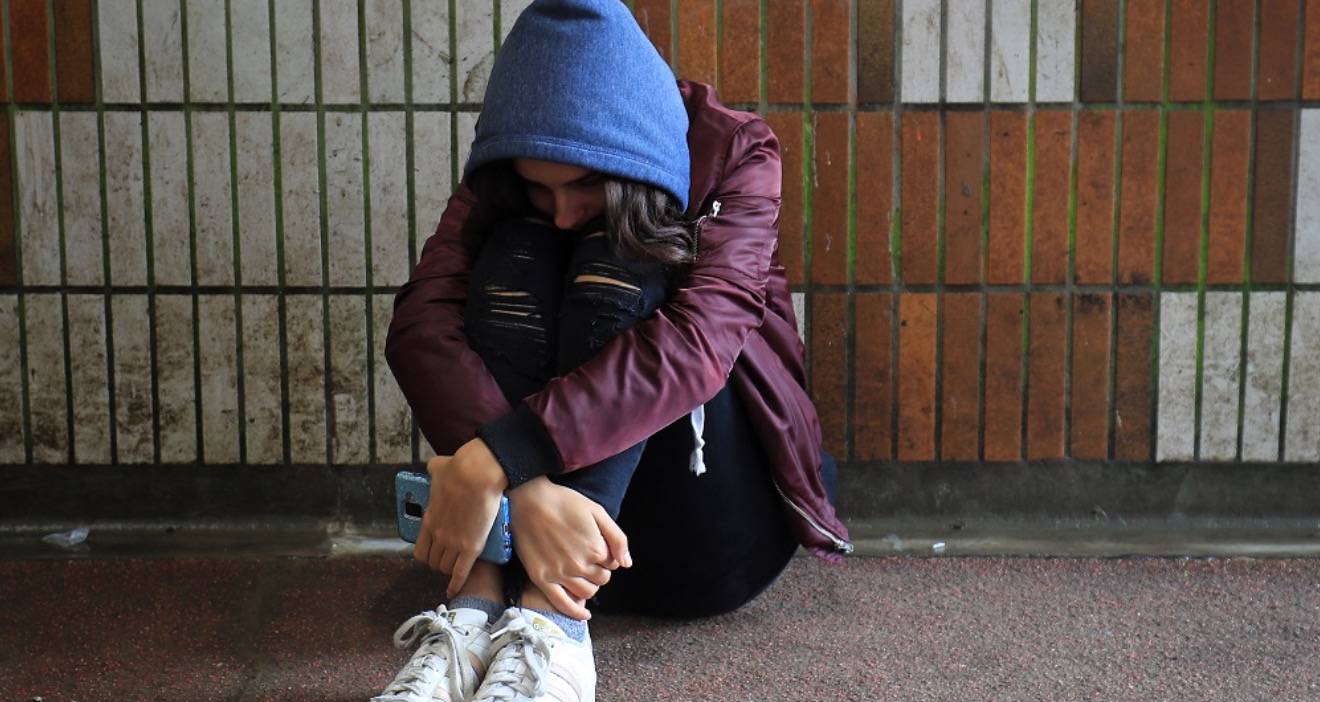
More than 135,000 children and young people in Wales are now estimated to have a diagnosable mental health condition, according to a major new report from Public Health Wales.
The report warns that emotional difficulties such as anxiety are rising sharply among young people, alongside growing numbers of eating disorders and self-harming behaviours across all genders.
Researchers found girls, non-binary young people and children from deprived communities are being disproportionately affected, with symptoms increasingly appearing at younger ages and becoming more severe during adolescence.
The findings were published in the *Health Needs Assessment: Mental Health of Babies, Children and Young People in Wales* report, which examined mental health needs from infancy through to early adulthood.
According to the study, around one in six children aged eight to 10 in Wales now has a diagnosable mental health condition.
The figure rises to one in five among those aged 11 to 16 and one in four for young people aged 17 to 24.
The report also found that one in four girls and one in two trans or gender-questioning secondary school pupils experience low mental wellbeing.
Experts warned that mental health problems were already costing the Welsh economy an estimated £4.8 billion annually before the Covid-19 pandemic, with the financial impact now believed to be even higher.
The report linked worsening mental health trends to factors including child poverty, inequality, academic pressure, parental mental health struggles and the influence of digital technology.
At the same time, researchers highlighted the importance of early family relationships, physical activity, creativity and community support as key protective factors.
The report stressed the importance of support during the first 1,000 days of a child’s life, warning that many families fail to receive help early enough.
It estimated that between 25% and 30% of parent-infant relationships would benefit from support during this period, yet two-thirds do not receive assistance before children reach the age of two.
Emily van de Venter said too many children across Wales are now experiencing severe emotional distress.
“There are too many children and young people in Wales who are experiencing distress, low mental wellbeing and mental health conditions,” she said.
“These young people have faced huge challenges including the pandemic, financial insecurity and challenging digital environments.”
Van de Venter added: “Our young people are our future, and they need support as they go through these challenges and it’s important that we listen to their concerns and support them.”
“Mental wellbeing needs to be placed at the heart of social, economic and environmental policy and that starts from the very early years of life.”
Simon Jones said mental health services for children in Wales are struggling to cope with demand.
“We’ve known for some time that children and young people’s mental health services haven’t been keeping up with the level of demand in Wales,” he said.
Jones added that Mind Cymru’s support programmes have shown how effective early intervention can be, with 70% of participants reporting improved wellbeing.
Dr Jen Daffin also warned that poverty and trauma are having a major impact on mental health across Wales.
“We need to recognise the impact of trauma, inequality and life experiences on mental health,” she said.
“It’s hard for parents to be at their best for their children when they’re worried about paying bills or keeping a roof over their heads.”
Daffin added: “This is how we can turn the tide on the rising levels of mental ill health and protect future generations here in Wales.”