
The United Kingdom has unveiled a major new sanctions package aimed at dismantling cryptocurrency and illicit finance networks used by Russia to bypass Western restrictions and continue funding its war in Ukraine.
The latest measures form part of the British government’s escalating campaign to weaken the financial infrastructure supporting Russian President Vladimir Putin and disrupt efforts to evade international sanctions through shadow banking systems and digital currency exchanges.
British officials said the sanctions target networks linked to the Kremlin-backed “A7 network,” which authorities accuse of helping Russia move billions of dollars through cryptocurrency platforms, foreign banks and offshore financial systems.
The package includes 18 new sanctions designations aimed at individuals, companies and financial entities allegedly involved in helping Russia channel money into military procurement and oil-related revenues.
The move comes as the UK and its Western allies intensify pressure on Moscow amid the continuing war in Ukraine and growing concerns over Russia’s use of alternative financial routes to avoid restrictions imposed since the 2022 invasion.
UK Expands Financial Pressure on Russia
The British government said Russia has increasingly relied on hidden financial networks as existing sanctions continue to damage the country’s economy and international trade.
Officials noted that Russia recently cut its economic growth forecast for 2026 from 1.3% to just 0.4%, while also sharply reducing projections for 2027.
According to the UK government, the Kremlin has turned to crypto platforms, offshore structures and covert financial systems to continue funding military operations and purchasing restricted goods.
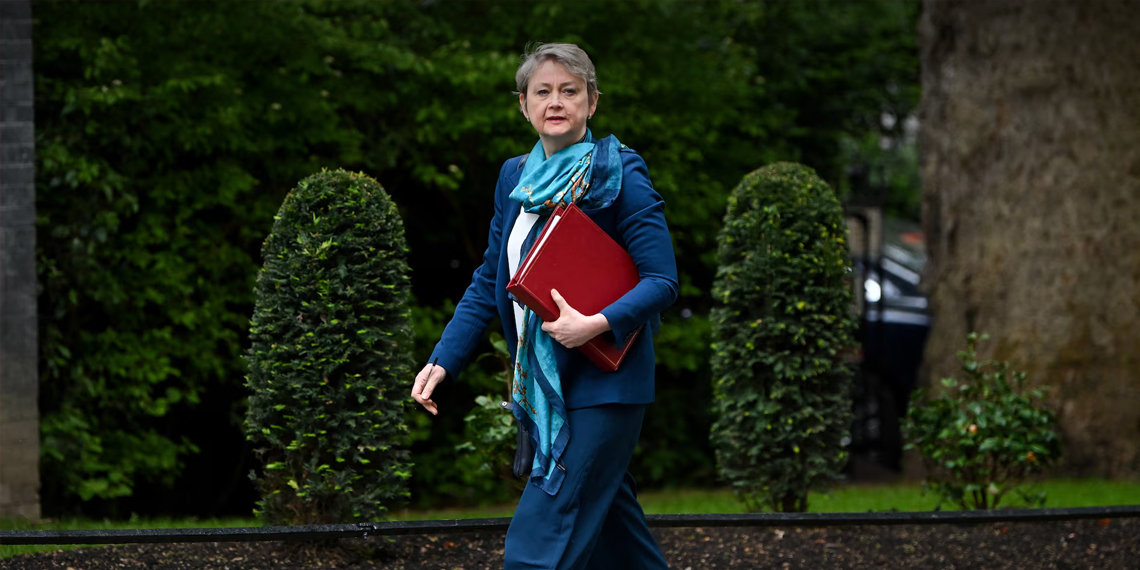
Foreign Secretary Yvette Cooper said Britain would continue adapting its sanctions regime to target evolving Russian evasion tactics.
She warned that Moscow would not be allowed to use cryptocurrency systems and shadow finance structures as safe havens.
Cooper said the UK was “tracking down and shutting off the financial lifelines that sustain Putin’s war machine” while working alongside allies to expose and dismantle illicit financial networks linked to Russia.
Kremlin-Linked A7 Network Under Scrutiny
British authorities identified the so-called A7 network as one of the main systems allegedly used by Russia to circumvent Western restrictions.
The government described the network as a Kremlin-backed financial structure designed to bypass sanctions, facilitate military procurement and process oil-related payments tied to Russia’s wartime economy.
Officials claimed the network moved more than $90 billion last year alone, an amount roughly equivalent to nearly half of Russia’s annual military spending.
The sanctions package targets key individuals connected to the network, alongside financial institutions and crypto-related businesses accused of helping facilitate transactions.
The UK also announced measures against a Kyrgyz bank suspected of supporting payments connected to the network.
In addition, Britain sanctioned a major international cryptocurrency exchange that officials believe channelled more than $1.5 billion back into Russia.
Three Georgian companies operating Russia-focused cryptocurrency exchanges were also targeted under the new restrictions.
Cryptocurrency Networks Become Major Sanctions Battleground
Western governments have become increasingly concerned about the growing use of cryptocurrency platforms in sanctions evasion schemes since the outbreak of the Ukraine war.
Officials across Europe and North America have repeatedly warned that Russia, Iran and other sanctioned states are attempting to use digital assets, anonymous transactions and offshore structures to continue accessing global markets.
Cryptocurrency exchanges operating in jurisdictions with weaker financial oversight have come under particular scrutiny.
British authorities said the latest measures demonstrate how sanctions enforcement is evolving to address modern financial technologies and cross-border digital transactions.
Analysts say cryptocurrency systems can provide opportunities for rapid transfers of funds outside traditional banking systems, making them attractive for actors attempting to bypass restrictions.
However, governments have steadily increased cooperation with financial regulators, intelligence agencies and international partners to track suspicious crypto activity linked to sanctions evasion.
Britain Continues Support for Ukraine
The sanctions announcement also reflects Britain’s continued political and military support for Ukraine.
Since the start of Russia’s full-scale invasion in 2022, the UK has been among Kyiv’s strongest backers, providing military aid, financial assistance and diplomatic support.
British officials argue that weakening Russia’s ability to fund the war is essential to maintaining pressure on the Kremlin and protecting European security.
The government said Russia’s invasion had “shattered peace in Europe” and warned that instability on the continent represented a direct threat to British security interests.
London has already imposed sanctions on more than 3,300 Russian individuals, companies and vessels since the conflict began.
British officials estimate that international sanctions have cost Russia more than $450 billion, which they say is equivalent to approximately two years of wartime funding.
Growing International Coordination Against Russian Evasion
The UK said it is working closely with allies to prevent Russia from building alternative financial systems capable of weakening Western sanctions.
European governments and the United States have increasingly coordinated efforts to identify offshore entities, shell companies and hidden payment networks connected to Russian businesses and state-linked actors.
Authorities are also monitoring trade routes, shipping networks and financial hubs believed to play a role in facilitating restricted exports and payments.
Britain’s latest move follows broader Western efforts to crack down on the so-called “shadow fleet” of oil tankers and covert trading operations linked to Russian energy exports.
Sanctions enforcement has become a major geopolitical issue as Moscow seeks new commercial partnerships and financial channels outside traditional Western-controlled systems.
Pressure Mounts on Russia’s Economy
Economic pressure on Russia has intensified over the past year as sanctions continue affecting trade, banking, investment and industrial supply chains.
Western governments believe growing restrictions are limiting Russia’s access to advanced technology, financial services and international capital markets.
The Kremlin has repeatedly dismissed claims that sanctions are severely damaging the economy, arguing that Russia has adapted through domestic production and stronger ties with non-Western partners.
However, many economists note that slower growth forecasts, rising inflation and increasing wartime spending are placing mounting pressure on Russian finances.
Britain said it would continue tightening sanctions for as long as the war in Ukraine continues.
Officials warned that further measures remain under consideration and that individuals or companies helping Russia evade sanctions could face additional restrictions.
The UK government added that it remains committed to working with international partners to protect the integrity of the global financial system while supporting Ukraine “for as long as it takes.”