
The UK government has confirmed that major Brexit-related trade barriers affecting food exports to the European Union will be removed under a new agreement with Brussels, marking one of the first concrete outcomes of Prime Minister Keir Starmer’s efforts to reset relations with the EU.
The changes, expected to come into force by mid-2027, will significantly reduce paperwork and border checks for British food exporters sending products to EU member states and Northern Ireland. Ministers say the agreement could provide a major boost for British farmers, food producers, transport firms and exporters that have struggled with rising costs and administrative burdens since Brexit officially took effect.
Under the new sanitary and phytosanitary (SPS) agreement, exporters of meat products including fresh sausages, burgers, processed meat and frozen products will no longer need expensive veterinary certificates proving compliance with EU regulations. Similar documentation requirements for plants and wood packaging materials will also be removed.
The government said businesses trading with Northern Ireland would additionally benefit from the removal of health labels currently required under post-Brexit arrangements.
UK Government Says Deal Will Cut Costs for Exporters
The Department for Environment, Food and Rural Affairs (Defra) has published initial guidance for businesses ahead of the implementation of the new rules.
Ministers argue that the agreement will remove some of the most frustrating and costly consequences of Brexit for food exporters, many of whom faced delays, additional staffing costs and lost contracts due to new customs procedures introduced after the UK left the EU single market.
Biosecurity Minister Helene Hayman described the agreement as a major breakthrough for British businesses.
She said the deal would make it easier for companies of all sizes to trade with Europe while helping reduce border delays and excessive paperwork.
According to government estimates, around 16,000 British businesses stopped exporting food products to the EU after Brexit because of the increased bureaucracy and compliance costs.
Officials believe the new SPS agreement could add as much as £5.1 billion annually to the UK economy while supporting jobs in agriculture, logistics and manufacturing.
Food Industry Faced Years of Brexit Bureaucracy
Since Britain formally left the EU single market in 2020, exporters have repeatedly complained about the complicated system of health checks and veterinary paperwork required to move products across borders.
Each shipment of meat or animal-based products often required separate health certificates signed by veterinarians, with some certificates costing businesses up to £200 per consignment.
Industry representatives have frequently described the process as one of the biggest obstacles facing post-Brexit trade.
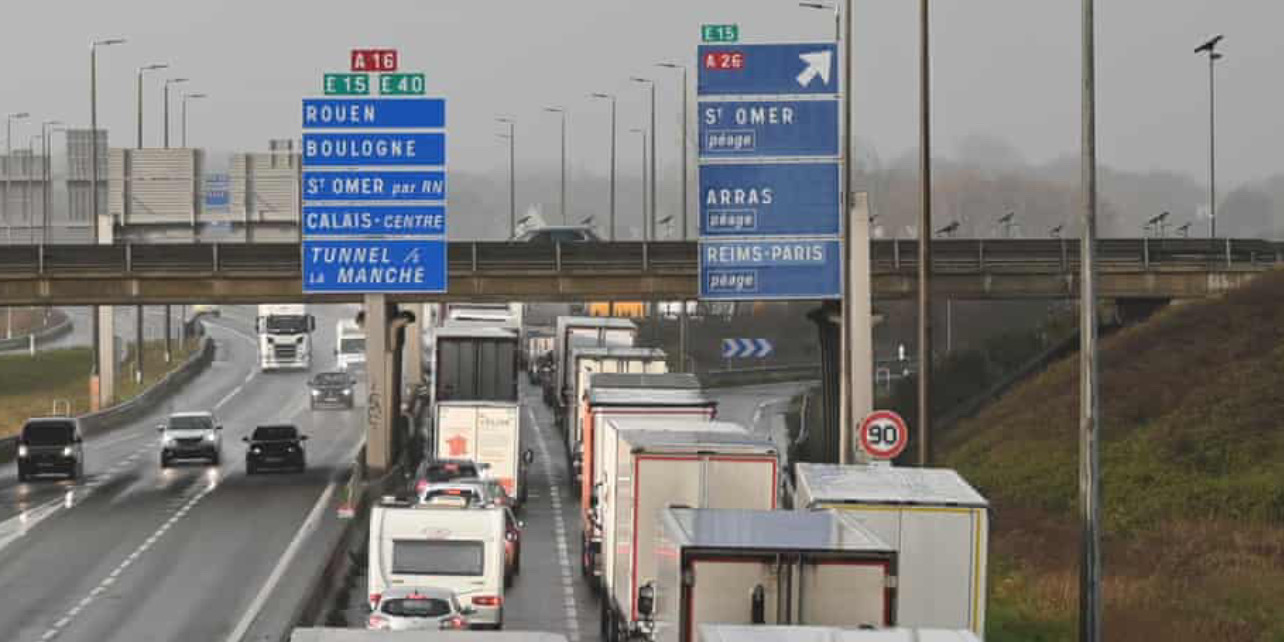
Transport companies and food exporters warned that even small administrative mistakes could result in lengthy delays at ports and border checkpoints.
One British logistics company previously told MPs that transporting beef products to France now required 26 pages of paperwork compared with just one document before Brexit.
Hauliers also reported situations where lorries carrying food products were detained for weeks because of minor paperwork errors or disputes over certification standards.
The introduction of border friction significantly affected smaller exporters, many of whom lacked the financial resources to manage the additional bureaucracy.
Northern Ireland Businesses Also Expected to Benefit
The changes are also expected to ease trade tensions involving Northern Ireland.
Businesses shipping products from Great Britain into Northern Ireland currently face additional certification and labelling rules introduced under the Windsor Framework and earlier Brexit arrangements.
The government said the removal of health labels and simplified trade procedures would reduce operational costs and improve the movement of goods between different parts of the UK.
Food producers and retailers have repeatedly argued that the current system created unnecessary complexity and uncertainty for businesses operating across the Irish Sea.
The latest agreement is expected to reduce some of those concerns while improving overall trade flows.
Wider UK-EU Reset Talks Continue
The SPS deal forms part of wider negotiations between the UK government and the European Union aimed at improving relations after years of post-Brexit tensions.
Prime Minister Keir Starmer has promised a more cooperative relationship with Brussels while insisting Britain will not rejoin the EU single market or customs union.
The Labour government has focused on practical agreements designed to improve trade, security cooperation and economic ties without reopening the wider Brexit debate.
However, negotiations between London and Brussels have not been entirely smooth.
Disagreements continue over proposals for a youth mobility scheme that could allow young people from the UK and EU to study, work and travel more freely across borders.
EU officials have also rejected British proposals for selective participation in parts of the European single market without accepting broader EU rules and obligations.
Despite those tensions, both sides have continued discussions on food standards, emissions trading cooperation and customs arrangements.
A major UK-EU summit is currently expected to take place in July, where officials hope to finalise several agreements linked to the broader reset agenda.
Farmers and Exporters Welcome Reduced Border Delays
British farming groups, exporters and food manufacturers have largely welcomed the planned removal of SPS barriers.
Many businesses argued that Brexit paperwork had damaged competitiveness and reduced exports to European markets that were previously straightforward to access.
Fresh meat exporters were among the hardest hit because delays at borders could reduce product shelf life and increase transport costs.
The food and drink industry remains one of the UK’s largest manufacturing sectors and relies heavily on trade with European markets.
Industry leaders say reducing border friction could help stabilise supply chains, support rural jobs and improve investment confidence across the sector.
The government also hopes that lower compliance costs could eventually help ease pressure on food prices for consumers, although inflation and energy costs remain major challenges for the industry.
Brexit Trade Debate Continues
The announcement is likely to reignite political debate over the long-term economic impact of Brexit.
Supporters of closer UK-EU relations argue that removing trade barriers demonstrates the need for deeper economic cooperation with Europe.
Brexit supporters, meanwhile, insist Britain can secure practical agreements with the EU while remaining outside the bloc’s political structures.
The SPS agreement represents one of the clearest signs yet that the UK government is prioritising trade simplification and economic stability over continued post-Brexit confrontation.
Officials say businesses should begin preparing now for the new arrangements ahead of the expected mid-2027 implementation date.
For many exporters, the removal of costly veterinary checks and excessive paperwork could mark the biggest easing of Brexit trade restrictions since Britain formally left the EU.