
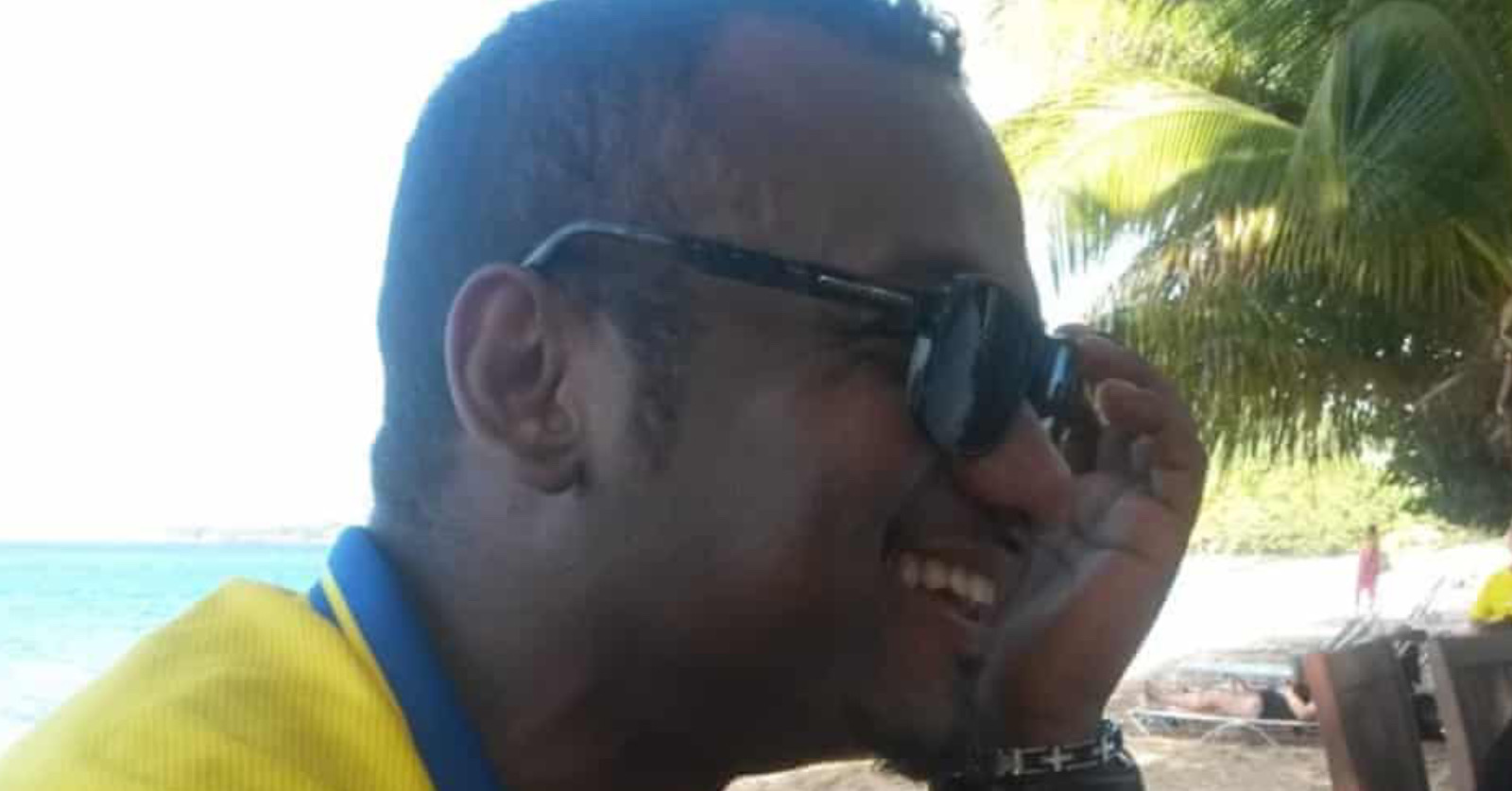
The family of a British man found dead in his home in Grenada has accused UK authorities of failing to provide proper support as they continue to fight for answers over his death.
Relatives of Andrew Frederick, a 47-year-old British national whose body was discovered on the Caribbean island on 4 January, say they have been left to conduct their own investigation after becoming increasingly concerned about how the case was being handled by local authorities and the UK government.
The family is now demanding an urgent review of policies governing support for the relatives of Britons who die abroad, arguing that current systems leave grieving families without adequate legal, investigative or emotional assistance.
The case has drawn growing attention after the family said an independent forensic pathologist concluded Frederick had been tortured and murdered, while local authorities in Grenada reportedly continued to classify the death as “suspicious” rather than officially treating it as a homicide.
Family Launches Own Investigation
According to relatives, concerns about the direction of the investigation by the Royal Grenada Police Force pushed them to launch their own public appeals for information and hire private experts.
The family commissioned an independent forensic pathologist, reportedly approved by the Grenadian authorities, alongside a private investigator to examine the circumstances surrounding Frederick’s death.
The pathologist concluded that Frederick had suffered torture before his death and formally classified the case as homicide, the family said.
Despite these findings, relatives claim the UK’s Foreign, Commonwealth and Development Office refused to escalate the case to its specialist murder and manslaughter team, which is designed to support families of British nationals killed overseas.
The family argues that the decision exposed serious weaknesses in how British authorities respond to deaths abroad.
Family Criticises UK Government Response
In a statement, relatives accused the FCDO of relying solely on the classification provided by local police in Grenada instead of the conclusions of the independent medical expert who examined Frederick’s body.
The family said UK officials had failed to provide clear guidance explaining why the case was not referred to the specialist unit despite evidence suggesting homicide.
Relatives described the response as an example of “institutional failure” that had deepened their trauma and delayed their grieving process.
They said months had been spent pursuing answers and campaigning for justice instead of being able to mourn properly.
The family also claimed they had received no meaningful updates from the Grenadian police investigation since mid-January.
Questions Raised in UK Parliament
The case has now reached Westminster after intervention by Rupa Huq, the MP for Ealing Central and Acton.
Huq submitted parliamentary questions asking on what legal basis the British government chose to defer to the conclusions of a foreign police force rather than the findings of an officially appointed pathologist and death certificate.
The questions focused on whether UK authorities should have automatically treated the case as homicide under British standards.
Responding on behalf of the government, Foreign Office minister Hamish Falconer acknowledged awareness of the case but admitted there was no specific guidance governing such circumstances.
That response has further fuelled criticism from campaigners who argue that support for families of Britons killed overseas remains inconsistent and overly dependent on discretionary decisions.
Murdered Abroad Charity Supports Family
The family has been receiving assistance from Murdered Abroad, a charity founded to help relatives of British nationals killed overseas.
The organisation was established in 2001 by Eve Henderson after her husband was murdered while travelling in France in 1997.
Henderson said she was shocked by the UK government’s reluctance to involve the FCDO’s murder and manslaughter team despite the independent postmortem findings.
She warned that many British families dealing with deaths abroad face confusion, legal barriers and inadequate support while attempting to navigate foreign justice systems.
According to Henderson, between 60 and 80 British nationals are victims of homicide abroad every year, representing a significant number of cases requiring international cooperation and specialist support.
However, she argued that current assistance offered by the UK government is largely discretionary rather than protected by law.
“There’s no statutory right to support,” she said, adding that previous attempts to strengthen protections for families through legislation had failed.
Concerns Over Overseas Death Investigations
The case has reignited wider debate about how Britain handles investigations involving the deaths of its citizens abroad.
Former senior police officer Bernie Kinsella, who previously worked on high-profile international homicide investigations, said little progress had been made in improving support systems over the last two decades.
Kinsella acknowledged that British police forces have limited authority over investigations conducted in foreign jurisdictions but argued that families are still entitled to meaningful assistance and guidance.
Campaigners say families are often left isolated while dealing with unfamiliar legal systems, language barriers and inconsistent investigative standards in different countries.
The issue has become increasingly prominent in recent years following several high-profile cases involving British nationals who died overseas under disputed or suspicious circumstances.
Grenada Authorities Recommend Coroner’s Inquest
In Grenada, the director of public prosecutions, Howard Pinnock, confirmed that Frederick’s case file had been reviewed.
Pinnock said his recommendation to police was for the matter to be referred to a coroner for an inquest.
The move could potentially provide further examination of the circumstances surrounding Frederick’s death and determine whether additional investigative action is necessary.
However, the family says the process has been far too slow and lacks transparency.
Growing Calls for Policy Reform
The case has intensified pressure on the UK government to review its procedures for supporting families of British nationals who die overseas.
Campaigners argue there should be clearer legal obligations requiring British authorities to intervene more actively in suspected homicide cases abroad.
They also want stronger cooperation between the Foreign Office, police forces and coroners to ensure families receive timely information and specialist support.
Critics warn that without reform, more grieving relatives could face similar struggles while attempting to secure justice for loved ones killed outside the UK.
For Frederick’s family, the fight continues not only for answers over his death but also for broader changes to prevent other families facing what they describe as a deeply traumatic and unsupported process.
The FCDO has stated only that it remains in contact with local authorities in Grenada and continues supporting the family of the deceased British national.