
The UK government has confirmed it will proceed with tougher online safety measures targeting major technology platforms despite mounting objections from the United States, intensifying a growing transatlantic dispute over digital regulation, child protection and the power of global tech companies.
Downing Street has made clear that concerns raised by the White House and American technology firms will not prevent ministers from introducing stricter safeguards aimed at protecting children online. The government is expected to unveil a significant package of online safety reforms next week, including potential restrictions on social media access for under-16s and additional controls across gaming and digital communication platforms.
The proposed measures form part of a broader effort by the UK government to strengthen protections for children and teenagers amid increasing concerns about online harm, explicit content, cyberbullying, grooming and addictive digital algorithms.
UK Ministers Defend Proposed Social Media Restrictions
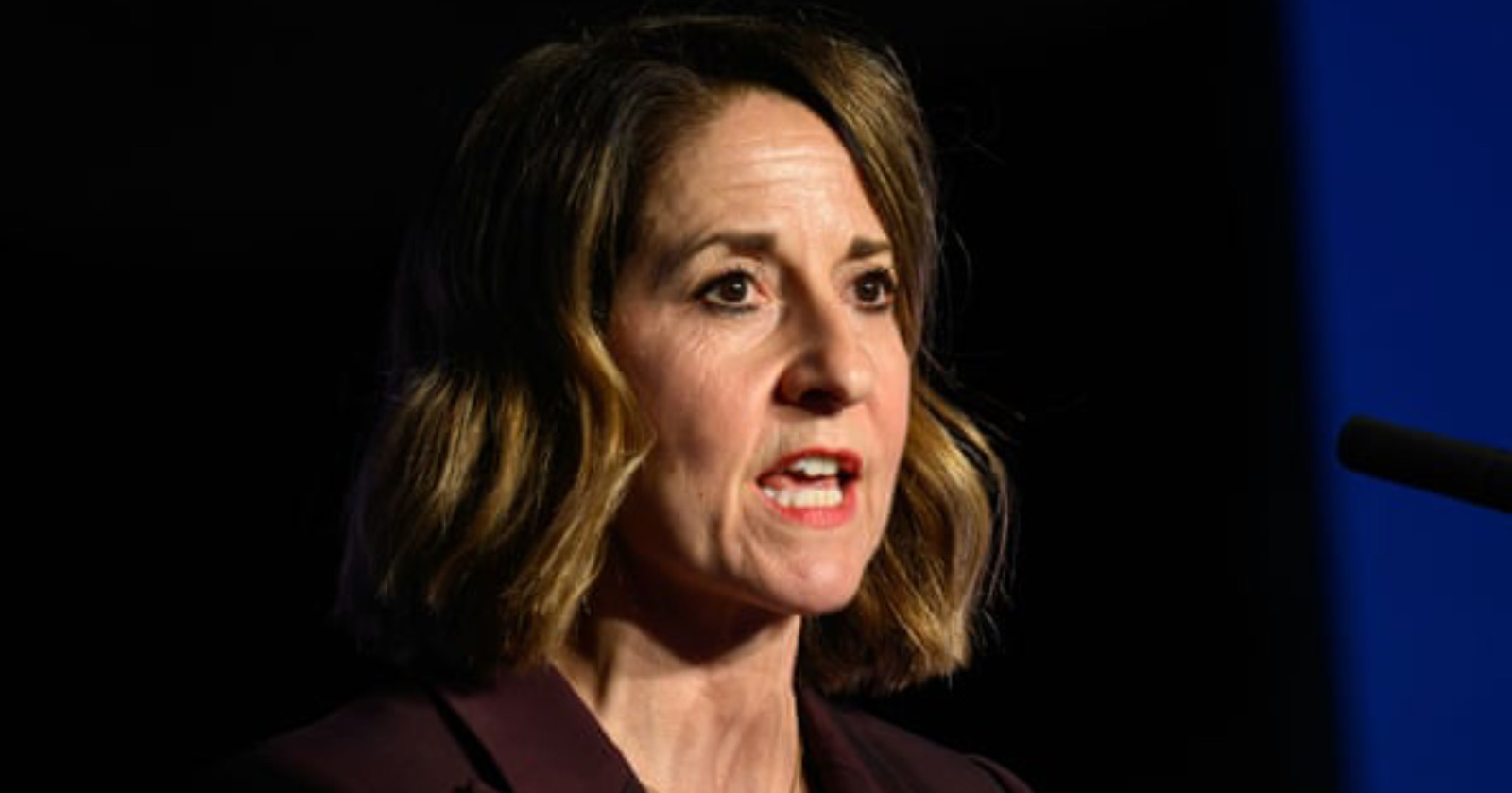
Technology Secretary Liz Kendall strongly defended the government’s position, insisting that the priority remains safeguarding British children rather than responding to pressure from foreign governments or major technology corporations.
Speaking amid escalating debate over the proposals, Kendall stated that she was not concerned “in the slightest” by intervention from the Trump administration following criticism issued by the US embassy in London.
The embassy publicly warned against the introduction of a blanket under-16 social media ban, arguing that rigid government restrictions could prove ineffective and place excessive regulatory burdens on American technology companies.
However, Kendall rejected suggestions that the UK should soften its stance in order to maintain favourable relations with US-based technology giants or encourage investment in Britain’s artificial intelligence and digital sectors.
She stressed that public support for stronger online protections remains overwhelming, noting that government consultation responses showed significant backing from parents and families concerned about children’s exposure to harmful online content.
“My focus is on what is right for British parents and British families,” Kendall said, emphasising that the government intends to act in the national interest regardless of international criticism.
New Online Safety Measures Expected Next Week
The UK government is widely expected to announce a series of new online safety measures in the coming days. Central among them is a possible ban preventing children under the age of 16 from accessing certain social media platforms.
Additional proposals under consideration reportedly include restrictions on conversations between minors and strangers within online gaming environments, alongside tighter controls governing the use of artificial intelligence chatbots by children and teenagers.
The planned reforms build upon the existing Online Safety Act, which already requires digital platforms to remove illegal or harmful content and strengthen protections for younger users.
Prime Minister Keir Starmer’s administration has increasingly signalled its willingness to impose stricter obligations on technology companies amid growing concerns over the mental health impact of social media and online exploitation risks facing young people.
The government has also been examining technical solutions that could prevent children from accessing or sharing explicit material online without verified adult authorisation.
White House Raises Concerns Over UK Digital Regulation
The Trump administration’s intervention has highlighted widening tensions between Washington and London over technology regulation and free speech.
In its submission to the UK government’s online safety consultation, the US administration criticised what it described as “one-size-fits-all government restrictions” and “blunt regulatory instruments” aimed at addressing online harms.
American officials argued that age-verification systems for younger teenagers may be technologically unreliable and could create broader privacy and enforcement complications.
Instead of outright bans, the White House urged the UK to focus on giving parents stronger tools to manage children’s digital experiences, including improved privacy settings, parental controls and healthier online environments designed by platforms themselves.
The US government also warned against regulatory approaches that could disproportionately affect American technology firms or create uneven standards across digital services.
The disagreement reflects broader friction between the US and several Western governments regarding tighter oversight of large technology companies, particularly those headquartered in Silicon Valley.
Online Safety Act Continues to Spark Debate
Britain’s Online Safety Act has already become a major source of controversy internationally, particularly among free speech advocates and sections of the US political establishment.
Senior American politicians have accused the UK of adopting overly restrictive online regulations that could limit freedom of expression and place excessive compliance demands on technology businesses.
US Vice President JD Vance previously claimed that free speech protections in Britain were “in retreat,” while some Republican lawmakers have characterised the legislation as a form of online censorship.
Despite those criticisms, the UK government has maintained that stronger regulation is necessary to address growing concerns over online abuse, harmful content, misinformation and child exploitation.
Ministers argue that the rapid evolution of digital platforms requires governments to establish clearer rules and accountability standards for technology companies operating within their jurisdictions.
Legal Challenges From Tech Companies Loom
The government’s plans may also face legal resistance from major technology firms affected by the proposed measures.
Meta, the parent company of Facebook and Instagram, has already launched legal proceedings against aspects of the Online Safety Act, including challenges relating to regulatory fees and enforcement powers introduced by UK media regulator Ofcom.
Officials are reportedly aware of the possibility that additional restrictions could trigger further judicial reviews from technology companies concerned about operational costs, technical feasibility and regulatory overreach.
Nevertheless, ministers appear determined to move quickly following the conclusion of a government consultation on child online safety that closed only recently.
The pace of policy development has drawn attention because the proposed restrictions are being prepared for announcement shortly after the consultation period ended.
Australia’s Social Media Ban Influences UK Debate
The UK’s approach has partly been influenced by international developments, particularly Australia’s decision to implement strict restrictions on social media access for children under 16.
Australia’s model effectively blocks minors from accessing platforms such as TikTok, Instagram, Snapchat and Facebook unless age verification requirements are met.
British policymakers have been closely monitoring the Australian experience while considering whether similar measures could be introduced domestically.
However, some child safety organisations have urged the UK government to avoid immediate blanket bans and instead require platforms to meet robust safety standards before restrictions are imposed.
The Molly Rose Foundation, which campaigns for stronger online child protection measures, has argued that governments should prioritise reforms targeting harmful algorithms, addictive design features and unsafe recommendation systems.
Growing Pressure for Stronger Child Protections Online
The debate reflects growing global concern over the impact of social media and digital technology on children’s mental health, behaviour and personal safety.
Parents, educators and mental health experts have increasingly raised alarms over children’s exposure to explicit material, cyberbullying, harmful influencers and online predators through smartphones, gaming platforms and social networking apps.
The UK government’s planned crackdown signals a broader shift towards more interventionist regulation of the technology sector, particularly where child safety is concerned.
While opposition from the United States and major technology firms is expected to continue, ministers appear determined to position Britain at the forefront of international efforts to tighten online safety protections for young users.
With formal announcements expected within days, the coming weeks are likely to shape the future direction of digital regulation, social media governance and child online safety policy across the UK.