
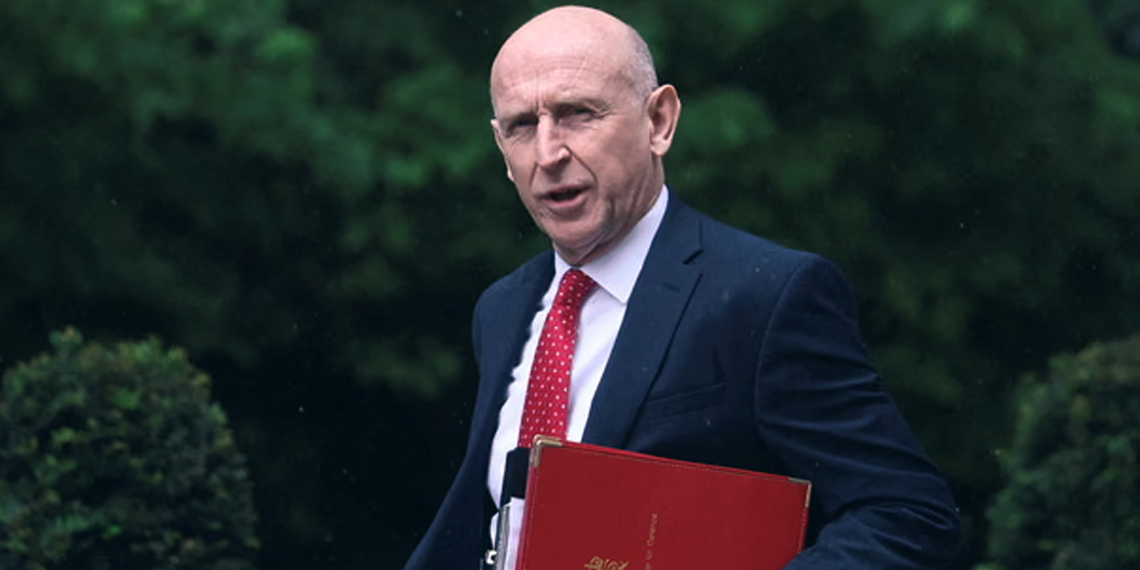
The UK government has been plunged into fresh political turmoil after Defence Secretary John Healey resigned in protest over the government’s defence spending plans, warning that the proposed funding settlement fails to meet the growing security challenges facing the country.
His departure comes ahead of the expected publication of the government’s long-awaited Defence Investment Plan (DIP), which outlines future military spending and strategic priorities.
In a resignation letter addressed to Prime Minister Keir Starmer, Healey said the final defence settlement falls significantly short of what Britain requires at a time of increasing global instability and security threats.
He argued that the need for additional defence investment had already been identified earlier in the year, with detailed cost assessments completed in January. However, he claimed the government had failed to commit the resources necessary to strengthen the armed forces and protect national security.
According to Healey, the Treasury was unwilling to provide the level of funding required despite mounting international risks and growing pressure on NATO allies to boost defence capabilities.
The former defence secretary said he only received the final funding settlement this week and was disappointed by both the scale and timing of the investment package.
Healey criticised what he described as a backloaded funding model, arguing that the majority of additional spending would arrive too late. He stressed that the greatest operational pressures and readiness requirements are concentrated in the next two years rather than later in the decade.
The plan is expected to increase defence spending to 2.68% of GDP by 2030, only slightly above the projected 2.6% level that Britain is already expected to reach next year through existing commitments.
In his letter, Healey pointed to increasing concerns about European security and future threats from Russia.
He referenced previous warnings from Prime Minister Starmer that NATO could face a direct threat from Russia by the end of the decade, arguing that such risks require a stronger and more immediate financial response.
Healey warned that inadequate funding could force difficult decisions affecting military readiness, operational capability and the safety of service personnel.
He said he could not support a defence strategy that would leave Britain’s armed forces under-resourced during a period of heightened international tension.
The resignation represents a significant challenge for the Labour government and could intensify debate over defence spending, national security and public finances.
Healey stated that he had previously informed the Prime Minister he would be unable to support a defence settlement that failed to provide the armed forces with the resources they need.
Concluding his letter, he said he had no option but to step down as Defence Secretary after the final funding package failed to meet those expectations.
The resignation is likely to increase scrutiny of the government’s defence strategy as ministers prepare to unveil the Defence Investment Plan amid growing concerns over global security and military preparedness.