
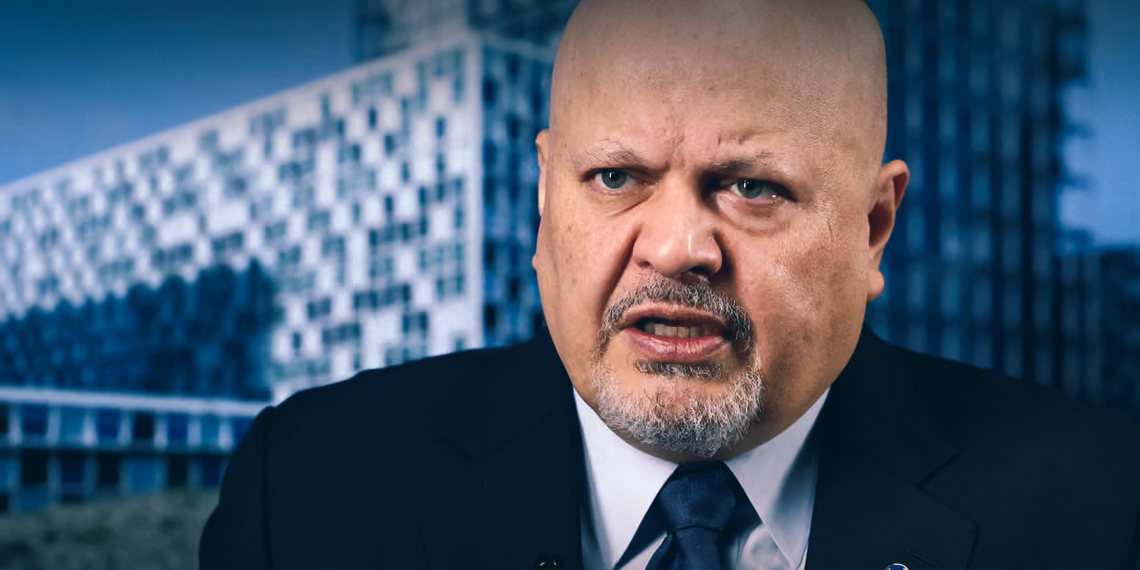
Karim Khan, the chief prosecutor of the International Criminal Court (ICC), has been suspended from practising as a barrister in England and Wales while allegations of sexual misconduct against him continue to be investigated.
The suspension was imposed by the UK’s Bar Standards Board (BSB) and took immediate effect on Friday. The decision follows Khan’s recent suspension from his role as ICC prosecutor as part of a disciplinary process linked to allegations he has consistently denied.
Under BSB procedures, the interim suspension will be reviewed by an independent panel within four weeks.
The move means Khan can no longer practise law in England and Wales, where he built his legal career before becoming one of the world’s most prominent international prosecutors.
The allegations first emerged in 2024 and were made by a female staff member who worked with Khan at the ICC headquarters in The Hague. Reports indicate the claims include allegations of coercive and non-consensual sexual behaviour over an extended period.
Earlier this month, an executive committee of the ICC’s governing body concluded that Khan had committed serious misconduct in connection with the allegations.
Responding on his behalf, law firm Carter-Ruck said: “As he has consistently made clear, Mr Khan unequivocally denies all allegations of impropriety. He maintains that he has acted at all times fully in accordance with his professional obligations.”
The firm argued that the decision was based on findings by the ICC’s governing bureau, describing it as a “political body” that had “purported to substitute its own assessment” over that of an advisory panel of judges, which reportedly found that a United Nations investigation “did not establish misconduct”.
“Mr Khan’s legal team is taking all necessary steps to challenge the decision of the bureau, protect his rights, and ensure that due process is upheld,” the statement added.
Khan was elected ICC prosecutor in 2021 and has overseen several high-profile international investigations. During his tenure, the court issued an arrest warrant for Russian President Vladimir Putin over the war in Ukraine, while Khan also pursued arrest warrants for senior Israeli and Hamas figures linked to the conflict in Gaza.
The case has created significant challenges for the ICC, with debates among member states over how the allegations should be handled and whether Khan should remain in office while investigations continue.
The matter has now been referred to the ICC’s 125 member states, which are expected to meet on 24 July to consider the findings of the disciplinary process and decide what action should follow.
A vote could ultimately determine whether Khan remains in his position as chief prosecutor.
In the meantime, the ICC prosecutor’s office continues to operate under Khan’s deputies, who are managing ongoing investigations and prosecutions.