
Families affected by the largest maternity scandal in NHS history are intensifying calls for a full statutory public inquiry, arguing that only a legally empowered investigation can deliver accountability for years of alleged failures that resulted in avoidable deaths, stillbirths and life-changing injuries to mothers and babies.
The demands come ahead of the publication of an extensive review led by senior midwife Donna Ockenden into maternity services at Nottingham University Hospitals NHS Trust (NUH). The Government-commissioned investigation, involving more than 2,500 families and over 800 current and former employees, is expected to reveal systemic shortcomings across every level of the organisation and highlight deep-rooted cultural issues that persisted for more than a decade.
Families Seek Greater Accountability
While the Ockenden review represents one of the most comprehensive investigations into NHS maternity care ever undertaken, families argue that it falls short because it lacks statutory powers to compel witnesses to provide evidence or produce documents.
Reports suggest that approximately half of the senior executives and directors approached during the review declined to participate, raising concerns that key decision-makers may avoid scrutiny.
Campaigners believe only a public inquiry established under statutory powers can fully examine how widespread failures were allowed to continue and determine whether individuals and institutions should face legal or professional consequences.
The call for a broader investigation has gained support from Michelle Welsh MP, the Government’s newly appointed national maternity adviser, who is herself among the women affected by the Nottingham maternity crisis.
National Maternity Adviser Supports Inquiry Discussions
Michelle Welsh has confirmed that discussions are taking place with the Department of Health and Social Care regarding the possibility of launching a statutory public inquiry.
The Labour MP for Sherwood Forest has spoken publicly about her own traumatic experience at Nottingham University Hospitals, describing how her concerns during childbirth were dismissed despite repeated pleas for assistance.
Following complications during delivery, Welsh was initially informed that her son Billy, now six years old, could be deaf and suffer severe learning disabilities after being deprived of oxygen at birth. Although those fears did not ultimately materialise, she has become a prominent advocate for families seeking transparency and reform.
Welsh has argued that the current review contains a significant gap because former senior leaders cannot legally be compelled to cooperate, limiting its ability to establish a complete account of events.
Review Expected to Reveal Systemic Failures
The Ockenden investigation is expected to document how failures in leadership, communication and clinical practice contributed to hundreds of devastating outcomes involving mothers and babies.
The review covers cases of maternal deaths, neonatal deaths, stillbirths and severe brain injuries sustained during childbirth, making it the largest maternity investigation in NHS history.
Beyond individual clinical errors, families and campaigners argue that the scandal reflects a deeply embedded organisational culture in which women frequently felt ignored, dismissed or blamed when raising concerns about their care.
Multiple Regulatory Investigations Underway
Alongside the Ockenden review, several regulatory bodies are examining the conduct of healthcare professionals involved in the maternity services.
The Nursing and Midwifery Council is investigating 96 fitness-to-practise cases linked to the trust, while the General Medical Council is reviewing 62 cases and assessing more than 300 additional reports emerging from the wider investigation.
Meanwhile, Nottinghamshire Police continue to conduct a corporate manslaughter investigation into maternity failings at the trust, examining whether systemic negligence may have contributed to avoidable deaths.
Separately, a national review led by Baroness Valerie Amos is investigating maternity and neonatal services across 12 NHS trusts in England, with recommendations expected shortly.
Families Continue Fight for Justice
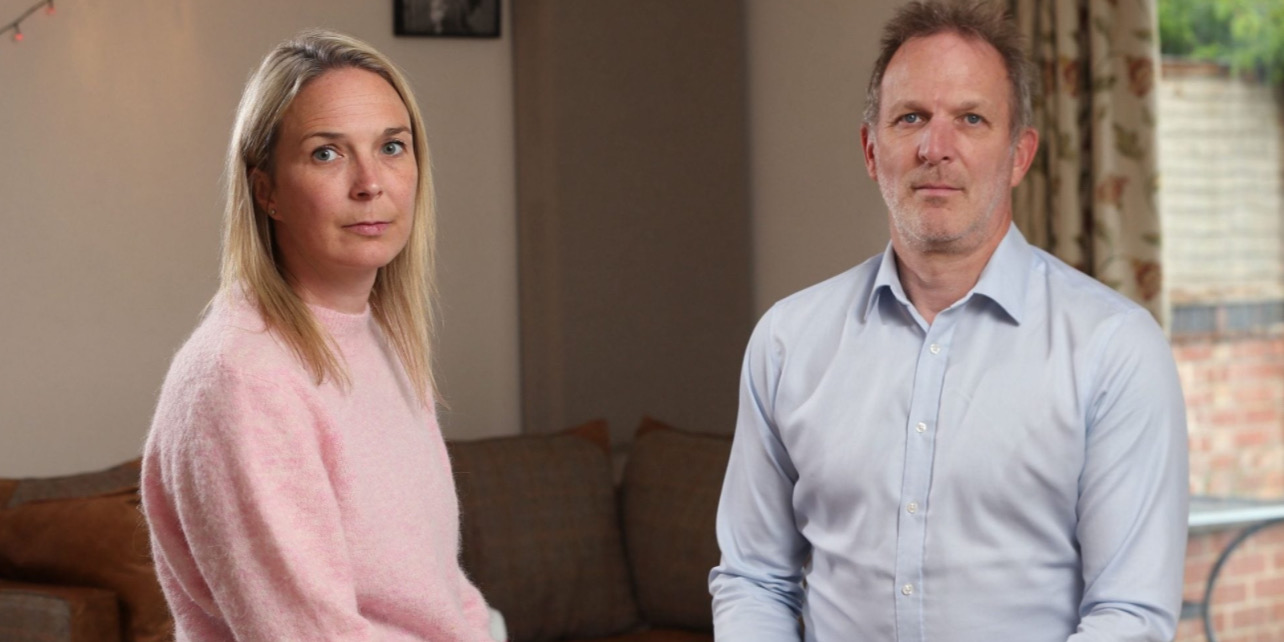
Among those leading the campaign are Jack and Sarah Hawkins, whose daughter Harriet was stillborn in 2016 following multiple failures in her mother’s care during labour.
At the time, both parents worked for Nottingham University Hospitals NHS Trust—Jack as a hospital consultant and Sarah as a senior physiotherapist.
Initially, hospital officials concluded that Harriet’s death resulted from infection and identified no significant failures in care. However, after the family pursued further investigations, an independent review identified 13 separate failings and concluded that Harriet’s death was almost certainly preventable.
The couple later secured a £2.8 million settlement in 2021 but maintain that financial compensation cannot replace genuine accountability.
Jack Hawkins has questioned how such widespread failures could continue unchecked for years, arguing that regulators, NHS leadership and government bodies failed to intervene despite mounting evidence of serious problems.
Calls for Individual Responsibility
Families insist that meaningful reform cannot occur without personal accountability for those responsible.
Sarah Hawkins argues that the absence of consequences has allowed a culture of denial to flourish, leaving bereaved parents feeling abandoned by the very institutions entrusted with protecting them.
Campaigners believe that establishing individual responsibility would encourage greater openness, improve patient safety and help restore public confidence in NHS maternity services.
They also stress that many families continue to seek recognition that the harm suffered by their children was not inevitable but preventable through appropriate clinical care.
Trust Apologises as Pressure Mounts
Anthony May, Chief Executive of Nottingham University Hospitals NHS Trust, has apologised for the suffering experienced by affected families and acknowledged their determination in pursuing answers and improvements in maternity safety.
He stated that the trust would carefully consider the findings of the Ockenden review and continue implementing reforms designed to strengthen maternity care and rebuild public confidence.
However, for many families, the publication of the review marks only one stage in a longer campaign for justice. They continue to argue that only a full statutory public inquiry—with legal powers to compel evidence and establish accountability—can fully uncover how one of the NHS’s most significant maternity scandals unfolded and ensure that similar tragedies are prevented in the future.