
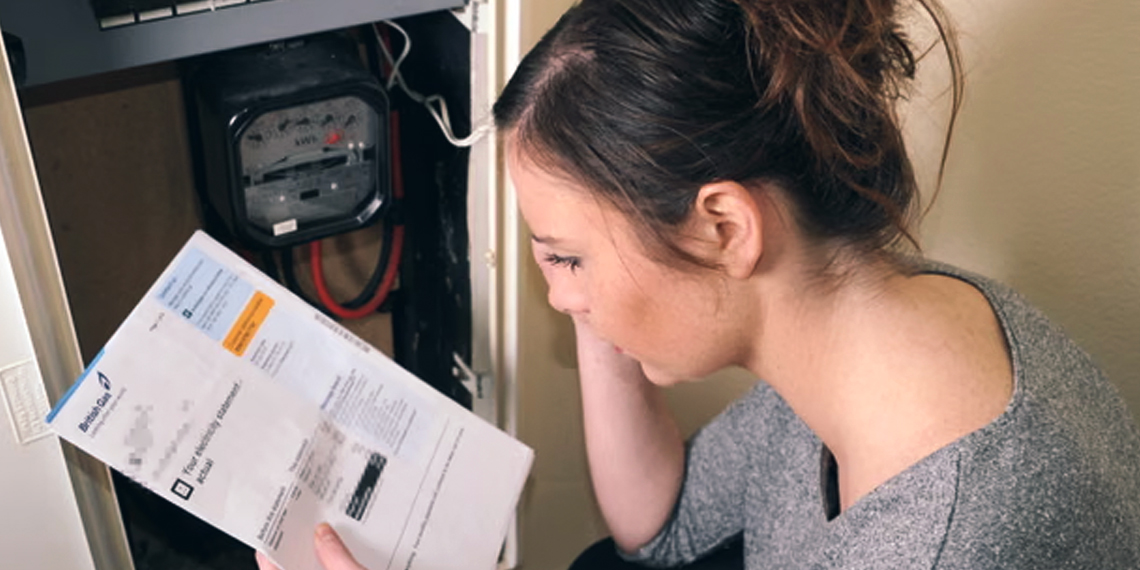
Millions of households across the UK are being encouraged to submit gas and electricity meter readings before Wednesday, when Ofgem’s new energy price cap comes into force, to avoid paying higher bills than necessary.
Around 5.3 million households on standard variable tariffs who do not have smart meters are being advised to send updated readings before the new unit rates take effect. Without an accurate reading, some energy used before the price cap changes could be estimated and charged at the higher July rates.
The new Ofgem price cap will increase by 13% from Wednesday. For customers paying by direct debit on standard tariffs, electricity prices will rise from 24.67p to 26.11p per kilowatt-hour, while gas prices will increase from 5.74p to 7.33p per kilowatt-hour.
The latest changes mean the average annual household energy bill is expected to climb by £221, taking the typical yearly cost to £1,862. The increase follows higher wholesale energy prices linked to the conflict involving Iran, which pushed up costs across global energy markets.
Energy experts are urging customers without smart meters to act quickly.
Ben Gallizzi, an energy expert at price comparison website Uswitch, advised customers to submit meter readings before or on 1 July so suppliers have an accurate record of their energy usage before the new prices apply.
Households on standard tariffs are also being encouraged to explore fixed-rate deals, as many remain cheaper than the upcoming price cap.
According to Uswitch, there are currently 27 fixed energy tariffs available below the July price cap. At the time of publication, Outfox Energy offered one of the lowest-priced fixed deals, with an estimated annual cost of £1,577 for the average household — around 15% less than the new capped rate.
The price rise comes during the summer months, when energy demand is typically lower because households use less heating, helping to soften the immediate financial impact for many consumers.
Although analysts had previously expected another increase when the energy price cap is reviewed in October, that outlook has become less certain. A recent interim peace agreement between the United States and Iran has contributed to a fall in wholesale gas prices, raising hopes that future increases may be less severe than previously forecast.