
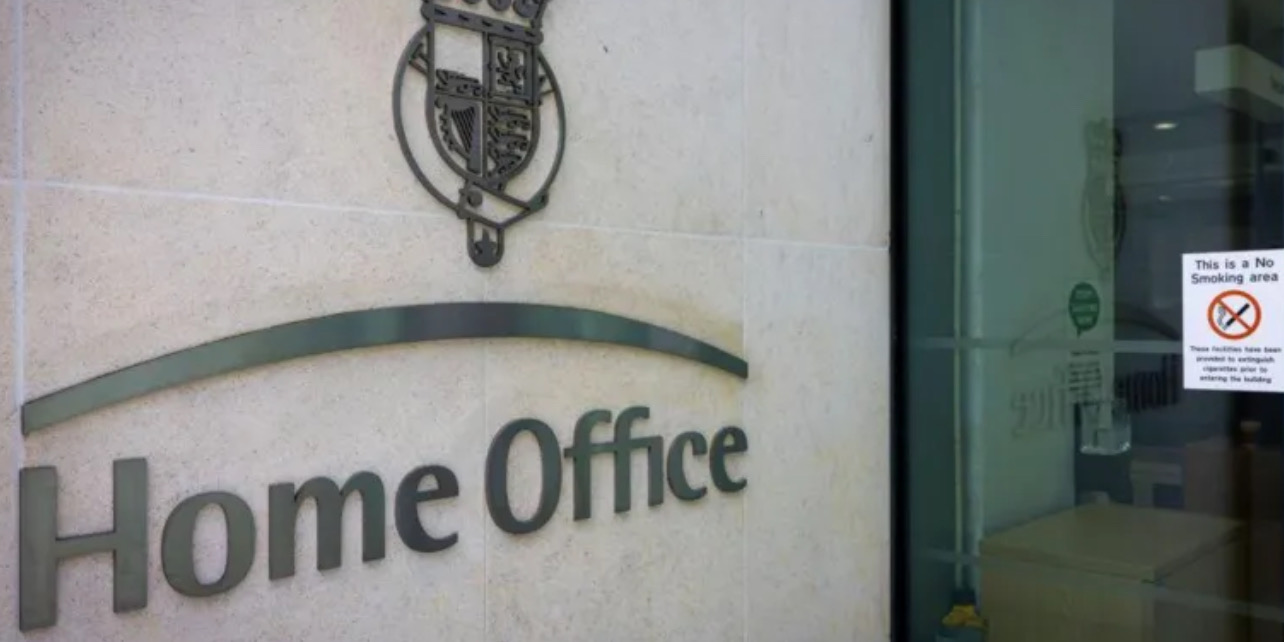
The UK Government has unveiled plans requiring many refugees granted asylum to repay the cost of accommodation and financial support they received while awaiting a decision on their asylum applications. The proposal, included in the forthcoming Immigration and Asylum Bill, is intended to recover a portion of public expenditure from refugees once they enter employment and achieve a specified income threshold.
Under the proposed legislation, eligible refugees could be required to repay a flat-rate amount expected to be set at approximately £10,000 through monthly installments after securing sufficient earnings. The Government says the measure is designed to create what it describes as a “firm but fair” asylum system that balances humanitarian protection with greater financial responsibility for those who are eventually able to support themselves.
The proposal has already sparked significant debate among policymakers, migration experts and refugee organizations, with supporters arguing it strengthens accountability for public spending, while critics warn it could place additional financial burdens on individuals rebuilding their lives after fleeing conflict and persecution.
Government Seeks to Recover Asylum Support Costs
According to the Home Office, the repayment requirement would apply to adults granted asylum who subsequently enter employment and earn above a yet-to-be-determined income threshold. The exact salary level that would trigger repayments has not yet been finalized, although ministers say it will be designed to avoid pushing individuals into financial hardship.
Home Secretary Shabana Mahmood said the new approach reflects the Government’s view that asylum support should carry reciprocal responsibilities once refugees become financially independent.
She stated that while providing protection remains an essential humanitarian obligation, individuals who later acquire the financial means to contribute should repay part of the assistance provided during the asylum process.
The legislation would also give the Home Secretary authority to adjust both the repayment amount and income thresholds in the future to reflect changing economic conditions while ensuring the system remains fair to taxpayers and does not leave refugees facing destitution.
Permanent Settlement Linked to Repayment
Under the proposed framework, refugees who have the legal right to work in the UK would be required to participate in the repayment scheme before becoming eligible to apply for permanent settlement.
In addition, asylum applicants whose claims are ultimately rejected and who leave the UK would be expected to settle any outstanding repayment obligations before being permitted to return to the country in the future.
The Government argues that linking financial obligations to immigration status reinforces accountability while encouraging compliance with the UK’s asylum system.
Public Spending on Asylum Support
The proposed reforms come amid increasing political focus on the cost of supporting asylum seekers. According to Home Office figures, the UK spent approximately £4 billion on asylum support during the previous year.
Accommodation remains one of the largest areas of expenditure. Housing an asylum seeker in privately rented accommodation costs an average of £23.25 per night, while accommodation in hotels averages approximately £144 per night.
In addition to housing, asylum seekers receive weekly subsistence payments that currently range from £9.95 to £49.18 per person, depending on their individual circumstances and accommodation arrangements.
Ministers argue that recovering a proportion of these costs from refugees who later achieve financial stability would reduce pressure on public finances while maintaining protection for those in genuine need.
Migration Experts Question Financial Impact
Despite the Government’s objectives, migration specialists have questioned whether the repayment scheme would generate substantial revenue.
Dr. Madeleine Sumption, Director of the Migration Observatory at the University of Oxford, said the proposed legislation reflects a broader move toward a more restrictive immigration system while remaining within international refugee and human rights obligations.
She also questioned how many refugees would actually earn enough to participate in the repayment scheme.
Research cited by the Migration Observatory indicates that employment rates among refugees remain relatively modest during their first years in the UK. In 2023, only around 13% of individuals granted refugee status five years earlier earned at least £20,000 annually, while the majority were either unemployed or earning below that level.
According to Home Office data, approximately 24% of refugees aged 16 to 64 secured employment during their first year after receiving asylum status between 2015 and 2023. Employment rates increased to around 48% after two years.
Among refugees who had lived in the UK for eight years, only 37% were employed full-time, with median annual earnings of approximately £23,000. Around 40% earned above the minimum wage.
These figures suggest that unless repayment thresholds are set relatively low, only a limited proportion of refugees would be required to contribute under the proposed system.
Refugee Organizations Criticize Proposal
Charities supporting refugees have strongly criticized the proposed repayment requirement, arguing that it unfairly targets individuals who already face significant barriers to rebuilding their lives.
The Refugee Council described the proposal as impractical and characterized it as an additional financial burden on people who often arrive in the UK with few or no personal resources.
Imran Hussain, the organization’s Director of External Affairs, argued that many asylum seekers depend on Government support because they are legally prohibited from working while their asylum applications are being processed.
He said imposing repayment obligations after refugee status is granted could delay financial independence and make it more difficult for families to establish stable lives following prolonged periods of uncertainty.
Advocacy groups also argue that asylum support exists specifically to prevent homelessness and destitution among vulnerable individuals, making retrospective repayment inconsistent with the humanitarian purpose of the system.
Political Debate Over Immigration Reform
The repayment proposal forms part of the broader Immigration and Asylum Bill, which ministers say aims to strengthen border controls while maintaining legal routes for refugees.
The legislation is expected to introduce new “capped safe and legal” pathways allowing approved organizations—including universities, businesses and community groups—to sponsor refugees seeking protection in the UK. The Government believes this approach could reduce costs while expanding managed humanitarian resettlement opportunities.
At the same time, ministers recently announced plans to expand the use of former military barracks to accommodate asylum seekers after closing additional hotel facilities across England.
Opposition politicians have also entered the debate. Shadow Home Secretary Chris Philp argued that the repayment proposal mirrors a policy previously advanced by the Conservative Party, claiming Labour had opposed similar measures when they were proposed during earlier immigration legislation.
Meanwhile, some Labour MPs are expected to oppose elements of the Immigration and Asylum Bill, particularly provisions viewed as imposing stricter conditions on asylum applicants.
Balancing Humanitarian Protection and Fiscal Responsibility
The proposed repayment scheme reflects the Government’s broader effort to reshape the UK’s asylum system by combining humanitarian obligations with greater financial accountability. Ministers argue that recovering part of the substantial public investment made in supporting asylum seekers will strengthen public confidence in the immigration system while ensuring taxpayers are treated fairly.
However, critics maintain that the policy risks placing additional financial pressures on refugees precisely when they are attempting to integrate into society, secure employment and rebuild their lives. Questions also remain about how much revenue the scheme would realistically generate, given current employment and income patterns among refugees.
As Parliament prepares to debate the Immigration and Asylum Bill, the proposed repayment requirement is expected to remain one of its most closely scrutinized provisions. The outcome of the legislative process will determine whether the Government proceeds with a policy that could significantly reshape the financial responsibilities attached to refugee protection in the United Kingdom.