
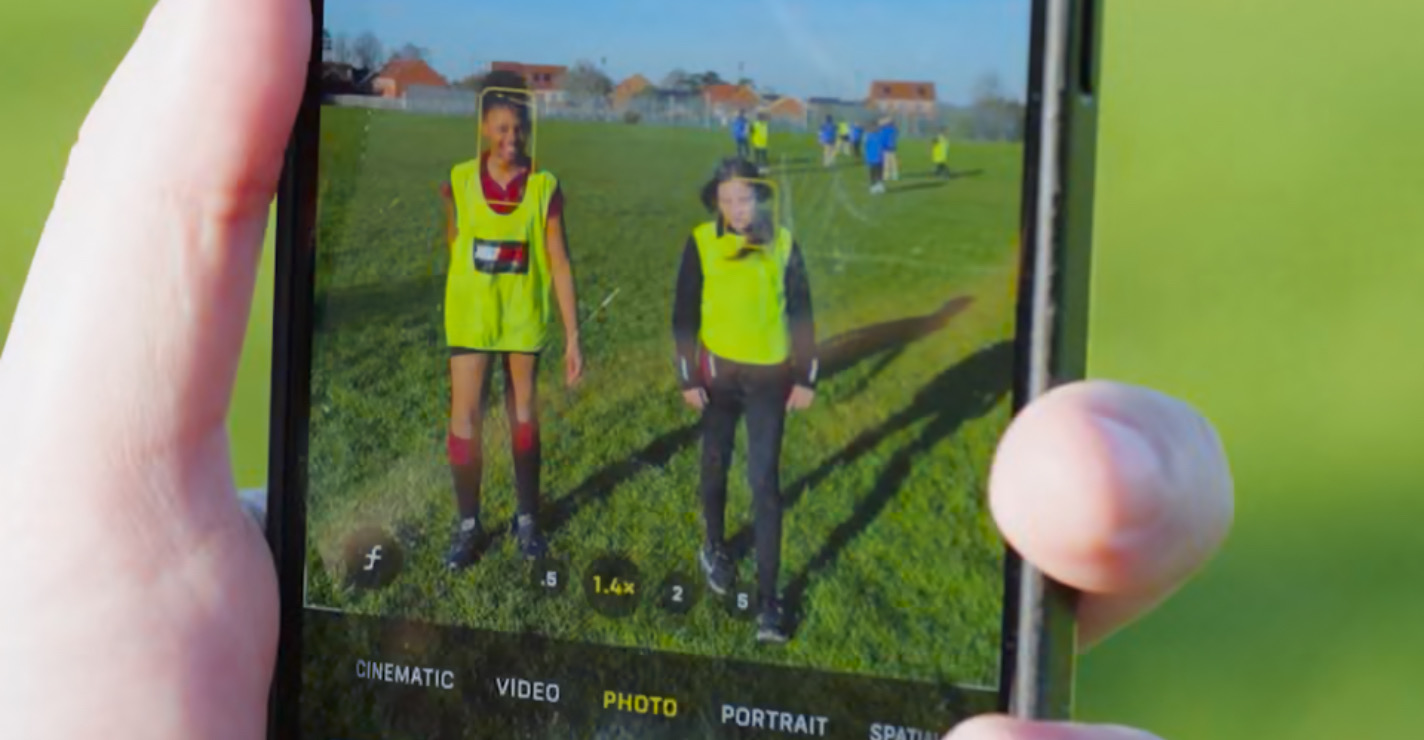
Parents across the UK are being urged to review how they share photographs of their children online after new guidance warned that publicly available images are increasingly being exploited to create AI-generated child sexual abuse material (CSAM).
The guidance, issued jointly by the National Crime Agency (NCA) and the Internet Watch Foundation (IWF), highlights growing concerns that advances in artificial intelligence have enabled criminals to manipulate ordinary photographs into explicit content without ever contacting or grooming a child.
Officials are advising parents and carers to make their social media accounts private, limit image visibility to trusted contacts through features such as close friends lists, and regularly review older posts that could be accessed by offenders.
The recommendations stop short of telling families not to share photographs online but stress that greater awareness is essential as AI-powered image manipulation becomes increasingly sophisticated.
Tim Wright, a senior manager at the NCA, encouraged parents to take a few practical steps immediately, including reviewing privacy settings, checking who can view images of their children and discussing consent before allowing photographs to be published online.
The guidance also advises parents to reassess image consent agreements previously signed with schools, nurseries and sports clubs, as many were completed before rapid developments in artificial intelligence made realistic image manipulation widely accessible.
According to the NCA, many parents remain unaware that freely available AI tools are now being used by offenders to generate child sexual abuse material from publicly accessible images.
Lorna Sinclair, Child Sexual Abuse Education Manager at the NCA, said most parents do not upload family photographs believing they could later be collected and transformed into abusive content, adding that public awareness of the threat remains limited.
The scale of the problem continues to grow. The IWF identified 8,029 AI-generated images and videos depicting realistic child sexual abuse material in 2025, representing a 14% increase compared with the previous year.
The organisation has also received reports from young people who were blackmailed after criminals used AI to create fake explicit images from ordinary photographs. Through its Report Remove service, the IWF has documented cases in which fully clothed selfies were manipulated into pornographic content without the victims’ knowledge or consent.
In one case handled by Childline, a 15-year-old girl reported that a stranger had created a highly convincing fake nude image using photographs apparently taken from her Instagram account, incorporating both her face and recognisable features of her bedroom.
Authorities have also linked similar tactics to attacks targeting UK schools. Criminals have reportedly harvested pupils’ photographs from school websites, generated AI-created abusive images and attempted to extort schools by threatening to publish the material.
In response, the Early Warning Working Group, whose members include both the NCA and IWF, has recommended that schools remove identifiable photographs of pupils from websites and social media wherever possible.
Dan Sexton, Chief Technology Officer at the IWF, acknowledged that advising parents against publicly sharing photographs of their children was an uncomfortable recommendation but said the current threat leaves little alternative.
The guidance encourages families to regularly audit social media accounts, checking whether a child’s face, school uniform or other identifying details remain publicly visible and deciding whether older images should be removed or restricted. Parents are also advised to ask relatives and friends to review any historic posts featuring their children.
In addition, parents are encouraged to reconsider previously granted permissions allowing schools, nurseries and clubs to publish children’s photographs and to withdraw consent where appropriate.
The NSPCC has also reiterated its long-standing advice that children and young people should keep their social media accounts set to private to reduce the risk of online exploitation.
Authorities say the measures are designed to help families reduce unnecessary exposure while ensuring children have a greater say over how and where their images are shared online.