
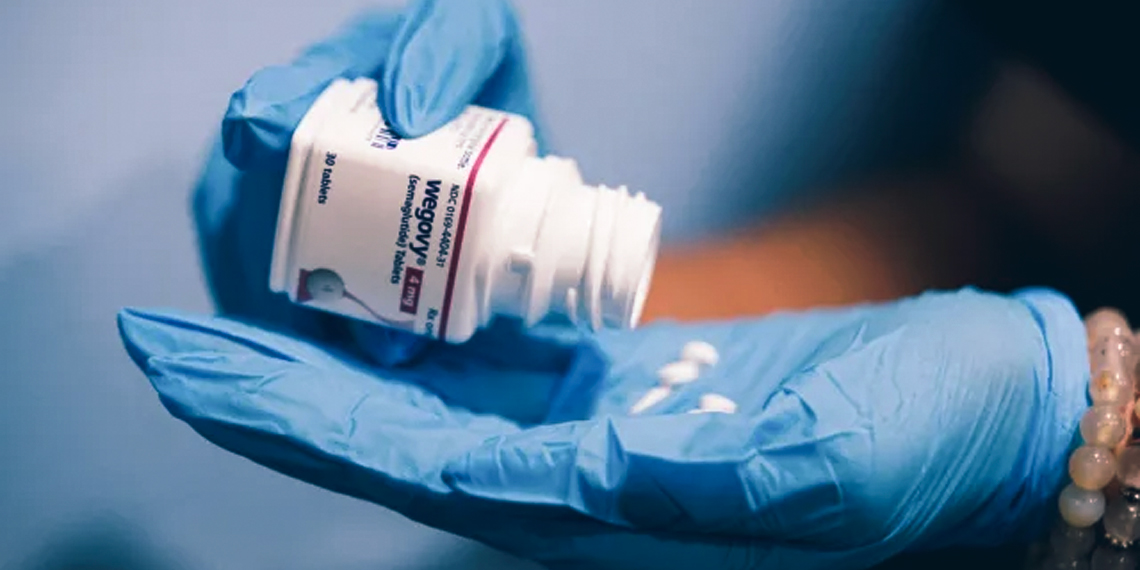
The launch of prescription weight-loss pills in UK pharmacies is expected to significantly expand access to obesity treatment, with strong consumer demand already emerging ahead of the product’s nationwide availability. While private patients can now obtain the medication from as little as £79 per month, healthcare experts caution that widespread access through the National Health Service (NHS) is unlikely before 2028, raising concerns over growing inequalities in obesity care.
Pharmacies across the country are preparing for a substantial increase in demand as Wegovy tablets become commercially available for the first time. Medical professionals have described the oral treatment as a major step forward in weight management, offering a more convenient alternative to injectable therapies that have become increasingly popular in recent years.
However, specialists warn that the gradual NHS rollout could create a widening gap between patients who can afford private prescriptions and those who must rely on publicly funded healthcare services.
Strong Demand Ahead of Commercial Launch
Several pharmacy providers have already reported exceptionally high levels of interest before the official launch. Industry representatives say thousands of patients have registered or pre-ordered the medication, with many expressing a preference for tablets over injectable treatments.
The oral version of Wegovy is being marketed as an attractive alternative because it eliminates the need for injections and refrigeration, making daily treatment more convenient for patients. Healthcare professionals also believe the tablets will appeal to individuals who have previously avoided weight-loss medication due to concerns about self-administered injections.
Private pharmacy providers have introduced competitive pricing to attract new patients. Entry-level treatment is available from approximately £79 per month for first-time users, while existing patients typically pay around £99 for the starting dosage. Higher treatment doses are expected to become available progressively, with monthly prices rising depending on dosage requirements.
Some online pharmacies have already confirmed receiving around 10,000 approved pre-orders, reflecting significant consumer interest in oral obesity medications before their official release.
Doctors Describe Tablets as a Significant Development
Medical professionals believe the introduction of weight-loss tablets represents an important milestone in obesity treatment across the UK.
Pharmacy leaders say the simplified administration method could encourage more eligible patients to seek treatment, particularly those reluctant to use injectable medicines. The tablets also provide greater flexibility for patients who travel frequently or prefer a medication that does not require special storage conditions.
Healthcare experts argue that the wider availability of oral therapies could eventually increase demand for NHS-funded obesity services as public awareness of effective weight-loss treatments continues to grow.
NHS Rollout Expected to Take Several Years
Despite commercial availability, patients seeking NHS treatment may face a prolonged wait before the medication becomes routinely accessible.
Before the tablets can be prescribed through the NHS, they must receive approval from the National Institute for Health and Care Excellence (NICE), which evaluates both clinical effectiveness and cost-effectiveness before recommending treatments for widespread public use.
Several pharmacy and healthcare experts estimate that this approval process, combined with NHS implementation planning, makes widespread availability before 2028 unlikely.
Although some specialists believe approval could arrive slightly earlier, most agree that patients should not expect rapid integration into NHS obesity treatment programmes.
Current NHS access to weight-loss medications remains limited. Injectable Wegovy is available primarily through specialist weight management services, while Mounjaro injections can only be prescribed under strict eligibility criteria that prioritize patients with the greatest clinical need.
NHS England has previously estimated that millions of people could eventually qualify for modern weight-loss medications. However, the health service has acknowledged that expanding treatment capacity for all eligible patients will require many years under current funding and rollout plans.
Concerns Over a Growing Two-Tier Healthcare System
Health campaigners argue that delayed NHS access risks creating significant disparities in obesity treatment.
Patients able to pay privately can begin therapy immediately, while lower-income individuals may remain on waiting lists for years despite meeting the same medical criteria.
Obesity advocacy groups warn that unequal access could widen existing health inequalities, particularly given obesity’s close links to diabetes, cardiovascular disease, joint disorders and other long-term medical conditions.
Experts stress that obesity should be treated as a chronic medical condition rather than a lifestyle issue, arguing that access to effective treatment should be based on clinical need rather than financial circumstances.
Several healthcare leaders have called for additional NHS investment to accelerate the rollout once regulatory approval is granted.
Cost Remains a Major Consideration
Health economists note that NHS adoption will depend not only on clinical evidence but also on affordability.
While obesity treatments may reduce long-term healthcare costs by preventing serious diseases, funding widespread access for millions of eligible patients would require significant investment.
Experts suggest that increased competition among pharmaceutical manufacturers could eventually lower prices, making broader NHS adoption more financially sustainable.
Until then, policymakers will need to balance growing patient demand against limited healthcare budgets.
Risks of Misuse and Counterfeit Products
Healthcare professionals have also raised concerns that easier access to weight-loss tablets could increase inappropriate use.
Doctors caution that these medications are intended for patients who meet specific clinical criteria and should not be viewed as cosmetic weight-loss solutions or quick fixes.
Medical experts emphasize that successful treatment still requires healthy dietary habits, increased physical activity and ongoing clinical monitoring.
Another growing concern involves counterfeit medicines. Specialists warn that tablets may be easier for criminal networks to imitate than injectable products, increasing the risk of fake medications entering illegal markets.
Pharmaceutical manufacturers say they are actively monitoring supply chains, working with regulators and law enforcement agencies, and taking measures to combat counterfeit distribution.
Obesity Treatment Continues to Evolve
The introduction of oral weight-loss medication marks an important development in the UK’s rapidly expanding obesity treatment landscape. The tablets are expected to improve convenience and encourage more patients to seek medical support for weight management.
Nevertheless, experts maintain that equitable access remains one of the sector’s biggest challenges. While private patients can benefit immediately from the new treatment, millions relying on NHS services may face several more years before similar access becomes available.
Healthcare professionals argue that ensuring timely, affordable and clinically appropriate access will be essential if modern obesity treatments are to deliver their full public health benefits while avoiding deeper inequalities across the UK’s healthcare system.