
Outgoing UK Prime Minister Keir Starmer is expected to encounter renewed diplomatic pressure at this week’s Nato summit in Ankara as allies, led by the United States, intensify calls for faster increases in defence spending. The annual gathering comes at a pivotal moment for the United Kingdom, with the government’s recently unveiled Defence Investment Plan drawing both domestic debate and international scrutiny over whether Britain is doing enough to meet the alliance’s evolving security commitments.
The summit is likely to place the UK’s long-term military funding strategy under the spotlight after Washington publicly urged Nato members that remain below agreed spending targets to accelerate their investment. The comments highlight growing concerns among allies that Europe must shoulder a greater share of collective defence responsibilities amid heightened geopolitical tensions and an increasingly complex global security environment.
UK Defence Spending Under International Scrutiny
The controversy centres on the UK’s recently announced Defence Investment Plan, which allocates an additional £15 billion to strengthen Britain’s armed forces and military capabilities. While the package represents one of the country’s most significant defence funding commitments in recent years, critics argue that the pace of spending growth remains too gradual to satisfy Nato expectations.
Under the government’s current roadmap, UK defence expenditure is projected to increase from 2.6% of gross domestic product in 2027 to 2.7% by 2030. Ministers have stated that this places the country on a long-term trajectory toward reaching 3% during the following parliamentary term.
However, these projections remain well below Nato’s broader ambition, agreed during last year’s summit, for member states to dedicate at least 3.5% of GDP to core defence spending by 2035, alongside wider defence and security-related expenditure amounting to approximately 5% of national output.
The disparity between Britain’s current plans and Nato’s long-term objectives is expected to feature prominently during discussions among alliance leaders this week.
United States Calls For Faster Action
Pressure intensified after the United States ambassador to Nato, Matt Whitaker, criticised alliance members that have been slow to strengthen military investment.
According to Whitaker, several countries—including Poland and the Nordic and Baltic states—have demonstrated leadership by significantly expanding defence budgets. However, he warned that many other allies continue to fall behind, adding that US President Donald Trump expects every Nato member to move rapidly toward the alliance’s agreed spending objectives.
His remarks have been widely interpreted as a direct challenge to countries such as the United Kingdom, whose planned spending increases remain comparatively modest over the coming years.
The intervention reflects Washington’s longstanding position that European allies must assume greater responsibility for regional security, particularly as global military tensions continue to evolve.
Political Transition Adds Further Uncertainty
The timing of the summit coincides with significant political uncertainty in the United Kingdom following Starmer’s announcement that he intends to leave office.
Attention has increasingly turned toward Labour politician Andy Burnham, who is widely expected to become the country’s next prime minister later this month. His future approach to defence funding has become a key issue both domestically and internationally.
Questions remain over whether a new administration would accelerate military investment to satisfy Nato expectations or maintain the existing timetable outlined by the current government.
This leadership transition has added another layer of uncertainty to Britain’s defence policy at a time when alliance members are seeking greater clarity over long-term commitments.
Defence Secretary Urges Stronger Funding Commitments
New Defence Secretary Dan Jarvis has publicly called for the next government to provide clearer financial commitments beyond 2030.
Speaking ahead of the Nato summit, Jarvis stressed the importance of demonstrating a credible pathway toward achieving the alliance’s long-term defence spending targets. He argued that future spending reviews should provide concrete evidence that Britain intends to move closer to Nato’s benchmark of allocating 3.5% of GDP to defence.
Jarvis also indicated that he has already begun discussions with Andy Burnham and his advisers regarding Britain’s future military priorities and implementation of the Defence Investment Plan.
The defence secretary expressed confidence that future political leadership would continue supporting adequate investment in Britain’s armed forces amid growing international security challenges.
Rising Security Concerns Reinforce Defence Debate
The debate over military funding has gained additional urgency following a recent incident involving British and Russian military aircraft.
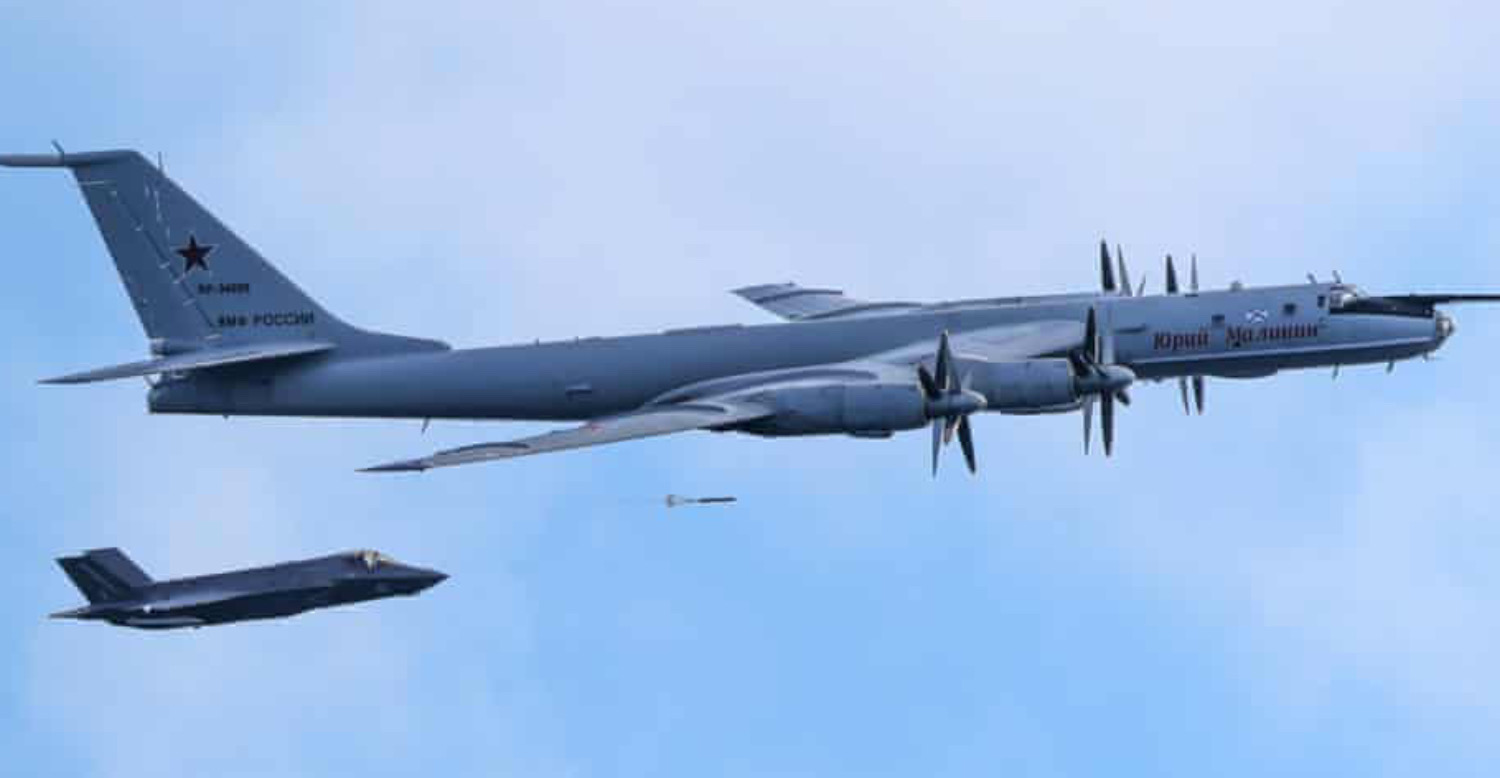
According to the Ministry of Defence, Royal Air Force F-35 fighter jets operating from HMS Prince of Wales intercepted a Russian Bear-F maritime patrol aircraft after it approached the British aircraft carrier at low altitude in the Norwegian Sea.
Officials stated that the Russian aircraft repeatedly approached the carrier group and deployed sonar devices into nearby waters before being intercepted and escorted away by British fighter aircraft.
The Ministry of Defence described the encounter as unsafe and unprofessional, underscoring ongoing tensions between Nato forces and Russia across northern European waters.
The incident is expected to reinforce arguments among defence officials that continued military investment remains essential to maintaining Britain’s operational readiness and supporting Nato’s collective security objectives.
Nato Summit Expected To Shape Future Defence Policy
As alliance leaders gather in Ankara, Britain’s defence strategy will remain under close examination from both international partners and domestic policymakers.
While the Defence Investment Plan represents a substantial financial commitment, questions persist over whether the pace of spending growth is sufficient to meet Nato’s increasingly ambitious expectations. The summit also arrives during a period of political transition, with uncertainty surrounding the priorities of the UK’s next prime minister.
The discussions are likely to influence future defence policy decisions, particularly as Nato continues adapting to evolving global security threats and encourages all member states to increase military preparedness.
For the United Kingdom, the summit represents both a diplomatic test and an opportunity to reaffirm its role within the alliance while addressing growing calls for stronger and faster investment in national defence.