
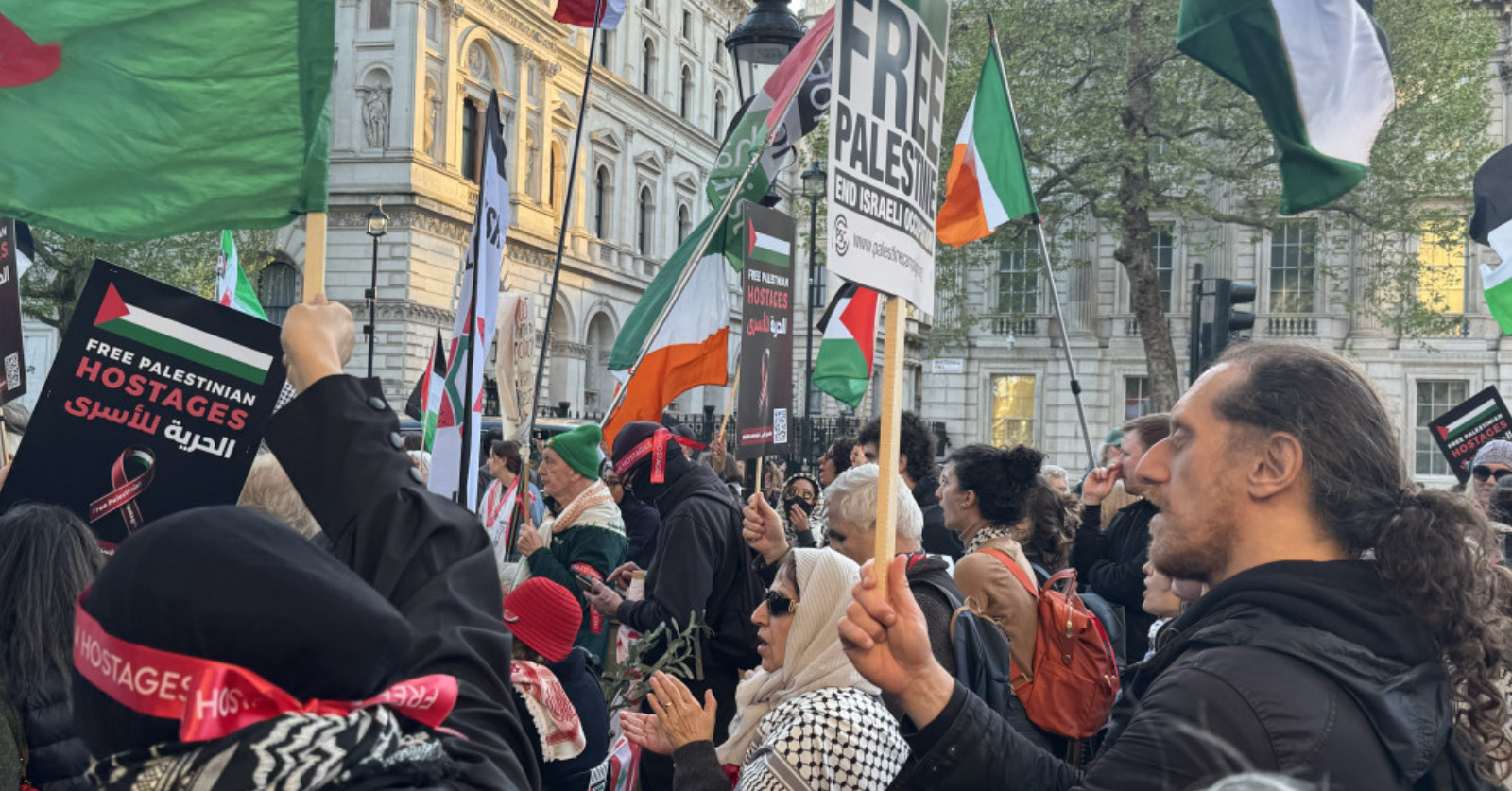
The UK Government is “seriously considering” a four-part trade ban targeting Israeli settlements in the occupied West Bank, in a move welcomed by pro-Palestine campaigners as “a major victory”.
The announcement was made during a House of Commons debate secured by Labour MP Abtisam Mohamed, who called on ministers to review Britain’s trade relationship with Israeli settlements, which the UK considers illegal under international law.
Responding on behalf of the Government, Business and Trade Minister Chris Bryant confirmed ministers are examining four measures aimed at “directly targeting illegal settlements”.
The proposals include banning imports of goods from settlements into the UK, banning exports of goods to settlements, preventing the export of services to settlements and blocking the import of services from settlements.
Opening the debate, Mohamed said more than 32,000 constituents had contacted MPs urging action.
She asked: “Why, if Britain considers the settlements illegal, why have we not imposed a complete ban on trade with them?”
She argued that “maintaining the status quo” was “rewarding Israeli expansion while punishing Palestinian aspirations”, adding that Palestinians should not be expected to “silently accept that their humanity, their rights, and their right to self-determination always come second”.
Bryant also called on Israel to “immediately allow” humanitarian aid into Gaza “so that the people of Gaza can breathe and live”, while urging all sides to respect a ceasefire.
He described the settlements as “morally wrong, legally indefensible, and entirely counterproductive when it comes to achieving a two-state solution”.
Although the UK has strengthened customs rules distinguishing products made in Israel from those produced in settlements, Bryant admitted the current system “is not effective enough”.
He added that the Government has “a legal obligation not to provide any support or assistance to the occupation”, creating “the need to prevent British companies from providing economic support and legitimacy to illegal settlements”.
Bryant acknowledged there are practical challenges to introducing a full trade ban but insisted the Government was not using them as a reason to delay action.
“The important thing is that where challenges exist, we must overcome them, not use them as an excuse for inaction,” he said.
He added: “We are seriously considering the shape of a trade ban that directly targets illegal settlements.”
Bryant said ministers have asked officials for advice on how to proceed, stressing that any measures adopted “must be enforceable and effective, and must not have unintended consequences for our legitimate trade”.
“The worst thing that could happen,” he said, “is to adopt measures that are morally driven but ineffective or unenforceable.”
During the debate, the Conservatives defended Israel’s position, arguing that suspending UK-Israel trade talks had weakened Britain’s influence in the region.
Shadow Trade Minister Gareth Davies said the UK’s influence had “diminished” because of decisions including pausing trade negotiations and suspending some export licences.
Independent MP Jeremy Corbyn cited rulings by the International Court of Justice urging countries to avoid trade and investment that supports Israel’s presence in the occupied Palestinian territories.
Following the debate, Mohamed described the Government’s announcement as “a major victory”, saying ministers were now considering restrictions on goods and services linked to Israeli settlements—something campaigners had long called for.