
British holidaymakers could face severe delays at the UK–EU border this summer, with concerns growing that the new EU Entry/Exit System (EES) could create hours-long queues and pose safety risks during peak travel periods.
Conservative MP Sir Roger Gale has warned that delays of up to 12 hours could leave travellers, particularly elderly passengers, children and pets, stranded in vehicles without adequate access to water, toilets or emergency assistance. He has urged the European Union to postpone the rollout of the EES until technical issues are resolved.
The warning comes as the UK Government steps up preparations ahead of the busy holiday season. Additional French border officers will be deployed at key crossing points in an effort to reduce waiting times, while extra traffic management measures are being introduced around the Port of Dover.
Despite these efforts, Dover Port Chief Executive Doug Bannister has cautioned that traffic modelling points to the possibility of severe congestion, with around 12,000 vehicles expected to pass through the port each day during the summer peak.
Sir Roger argued that the planned increase in border staff would not be enough to prevent significant disruption.
He said prolonged queues could make it impossible for emergency services to reach people in need, warning that medical emergencies could occur if travellers remained trapped in traffic for extended periods during hot weather.
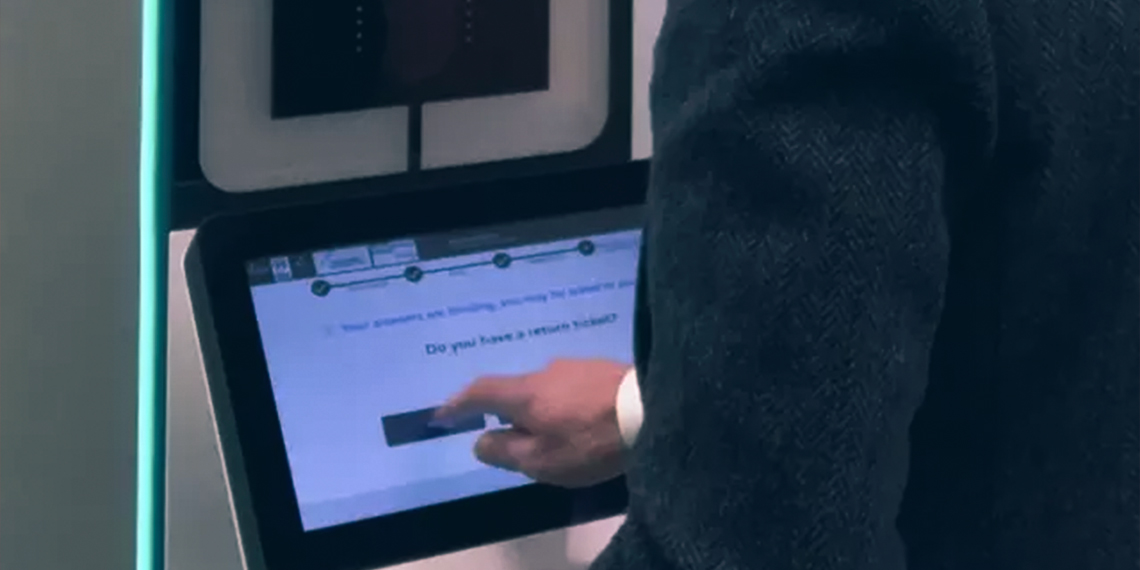
The EU’s Entry/Exit System requires non-EU travellers to register biometric data, including fingerprints and facial images, when entering the Schengen Area. However, French border authorities have reportedly experienced technical difficulties connecting kiosks and tablets to the central database, slowing the registration process.
British travellers are also required to provide additional personal information when presenting their passports, adding further time to manual border checks.
Earlier this year, French police temporarily suspended some of the additional checks after queues stretched to more than four hours during the May Bank Holiday.
Current forecasts from the Port of Dover suggest delays of between six and eight hours remain possible under the most challenging conditions.
Motorists have been advised not to arrive more than two hours before their scheduled departure and to follow designated routes via the M20 and A2 to help reduce congestion.
Authorities are also installing extra toilets, water stations and refreshment facilities along key routes to the port, while additional traffic marshals will be deployed throughout Dover.
The Department for Transport has designated Lydden Hill Race Circuit as a temporary holding area for vehicles if traffic reaches critical levels. Meanwhile, Operation Brock, which creates a dedicated queueing lane for freight traffic on the M20, will be activated to manage disruption.
Transport Secretary Heidi Alexander is expected to meet European Commissioner for Sustainable Transport and Tourism Apostolos Tzitzikostas to discuss concerns surrounding the implementation of the EES.
She said the Government is working closely with French authorities to minimise disruption for holidaymakers and freight operators, while investing more than £20 million to improve vehicle flow and expand passport control capacity at Dover.
Responding to Sir Roger Gale’s warning, the Transport Secretary dismissed the comments as alarmist, insisting that extensive planning has been underway for months to ensure the border system operates as smoothly as possible during the summer travel season.