
Passengers travelling on Britain’s major intercity rail routes face significant disruption this summer as industrial action, reduced timetables and technical faults affect services across the country’s three main north-south rail lines.
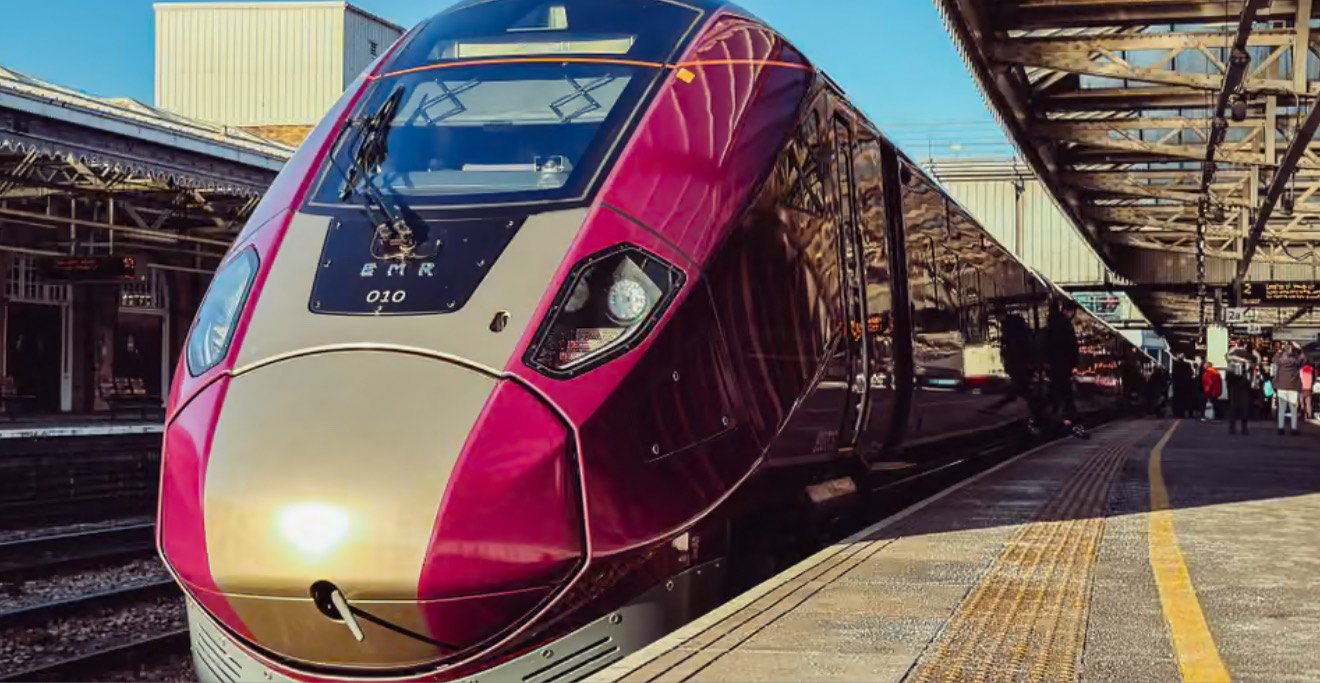
East Midlands Railway (EMR) has confirmed it will cancel hundreds of intercity services in the coming weeks after ongoing reliability issues with its new Hitachi-built Class 810 trains.
At the same time, train drivers represented by the Aslef union are preparing for possible strike action on both the East Coast and West Coast mainlines following disputes over pay.
EMR said around 20 fast services a day between London, Sheffield and Nottingham will be withdrawn, while other trains will operate with fewer carriages, increasing the likelihood of overcrowding.
The operator said its new Class 810 fleet has experienced persistent performance and reliability problems since entering service. It also criticised maintenance issues affecting its ageing Class 222 trains, which were due to be replaced by the new fleet, saying the problems have made it difficult to deliver a reliable intercity timetable.
EMR Managing Director Will Rogers apologised to passengers, acknowledging that the new trains had not met expected performance standards.
He said the temporary timetable reduction is necessary while the operator works with manufacturer Hitachi Rail to improve the fleet’s reliability and restore normal services.
A Hitachi Rail spokesperson said the company continues to work closely with industry partners to resolve the issues and support the rollout of the new trains.
The Class 810 bi-mode trains, which operate on both diesel and electric power, entered passenger service this year following a three-year delay.
The fleet is also under scrutiny after last month’s fatal rail collision near Bedford, where investigators are examining whether a fault with an automatic warning system caused one of the new trains to stop on the main line before being struck by another EMR service that had passed a red signal.
Meanwhile, disruption could spread to Britain’s other major intercity routes.
Aslef has launched a strike ballot involving drivers at London North Eastern Railway (LNER) after pay negotiations collapsed. The union claims an agreed pay deal was not approved by the Department for Transport.
Aslef General Secretary Dave Calfe said the company’s failure to make an acceptable offer had left the union with no option but to ballot members for industrial action.
The Department for Transport said it had authorised what it described as a fair and affordable pay offer, urging both sides to continue negotiations and avoid disruption for passengers.
Drivers at Avanti West Coast are also voting on possible strike action following separate pay disputes. The union has already ended its rest-day working agreement with the operator, contributing to service cancellations on the West Coast Main Line.
With industrial disputes continuing alongside operational challenges, passengers are being advised to check travel information before setting out during the busy summer travel period.