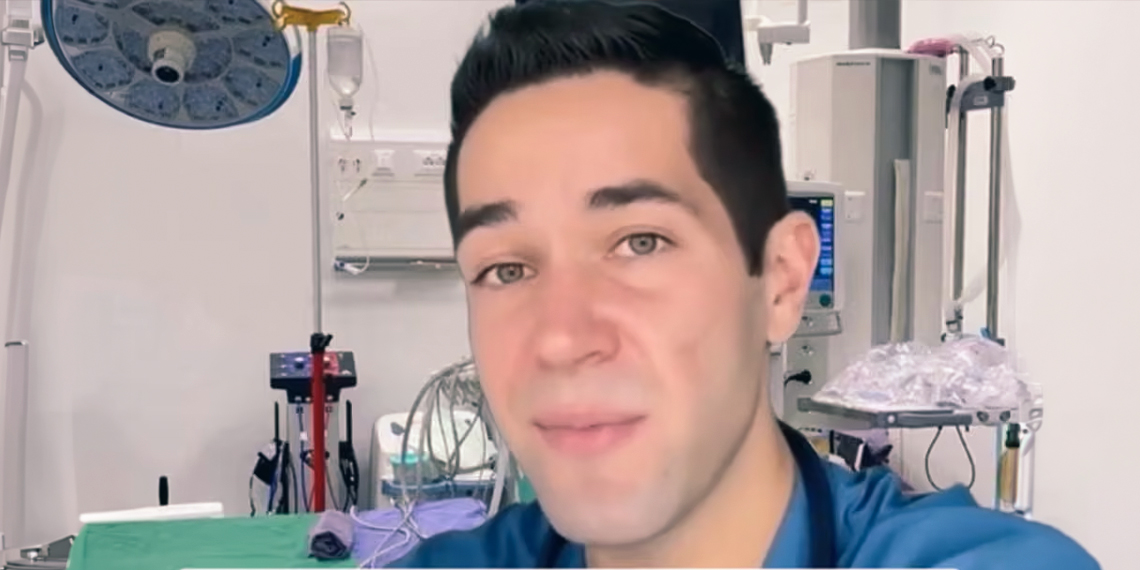
Artificial intelligence-generated medical influencers are rapidly emerging as a serious public health concern in the United Kingdom, with experts warning that misleading online health advice is exposing millions of social media users to potentially dangerous misinformation. The issue has gained renewed attention following research indicating that AI-generated “doctors” are attracting millions of views on TikTok while promoting inaccurate medical claims, fabricated treatments, and scientifically disproven health advice.
Healthcare professionals, medical organizations, and researchers are now calling for stronger action from social media platforms to curb the spread of AI-generated misinformation before it causes further harm. The findings have intensified concerns over the growing influence of artificial intelligence in shaping public perceptions of healthcare, particularly among younger audiences who increasingly rely on social media as a primary source of information.
AI-Generated Health Influencers Reach Millions of Users
A recent study conducted by digital marketing agency Hallam found that artificial intelligence-generated medical content has become increasingly prominent across TikTok’s health-related searches. Researchers analyzed nearly 1,200 videos and discovered that AI-generated or AI-assisted content appeared in approximately 40% of the platform’s most popular health videos.
For certain search terms, including “health tips,” the prevalence was even more striking, with more than four-fifths of leading videos identified as AI-generated or heavily AI-assisted. These videos collectively attracted millions of views, demonstrating the substantial reach and influence of digitally created personalities posing as healthcare professionals.
According to the research, the most popular AI-generated medical videos averaged around 2.5 million views, highlighting the scale at which questionable health advice is being distributed to online audiences.
False Medical Claims Raise Serious Health Risks
Experts are particularly concerned because many of the AI-generated accounts present themselves as credible medical professionals while promoting claims that contradict established scientific evidence.
Among the misinformation identified were false assertions linking everyday activities to cancer, including claims that microwaving food in plastic containers, applying deodorant, or sleeping near a mobile phone significantly increase cancer risk. These allegations have long been dismissed by reputable health authorities, including Cancer Research UK, which has repeatedly confirmed that there is no reliable scientific evidence supporting such claims.
Researchers also identified fabricated remedies and non-existent healthcare products being promoted as legitimate treatments. In one example, an AI-generated medical personality recommended mixing Coca-Cola with onions as a remedy for pain relief. Another digital avatar endorsed a product called “Hyalethinap Plus Pro Max,” describing it as an anti-ageing solution capable of treating hair loss, weakened skin, brittle nails, and joint pain by stimulating the body’s production of “anti-ageing molecules.”
Investigators were unable to locate evidence that the advertised product actually exists, raising further concerns about fabricated commercial promotions disguised as professional medical advice.
Medical Professionals Call for Immediate Action
Healthcare leaders have described the proliferation of AI-generated misinformation as a direct threat to public safety.
Dr. Emma Runswick, deputy chair of the British Medical Association Council, warned that artificial intelligence is increasingly being used to spread medical myths while promoting so-called miracle cures that lack scientific validation.
She stressed that platforms such as TikTok have a responsibility to strengthen safeguards against misleading medical content, arguing that failure to do so could place the public at significant risk by encouraging unsafe health decisions.
Medical experts warn that false health information can delay proper diagnosis, discourage individuals from seeking professional treatment, increase anxiety among patients, and encourage reliance on ineffective or potentially harmful remedies.
NHS Warns Of Growing Online Health Misinformation
Concerns are also being echoed across the National Health Service.
Professor Frankie Swords, National Medical Director at NHS England, described the rise of AI-generated health misinformation as deeply concerning, noting that clinicians are increasingly encountering patients who arrive confused or distressed after consuming inaccurate information online.
Medical professionals report that many patients now seek clarification on misleading claims circulating across social media platforms, placing additional pressure on healthcare services while complicating patient care.
The NHS has previously warned that online misinformation represents a genuine public health threat, particularly when misleading advice spreads rapidly through algorithm-driven platforms.
General Practitioners Highlight Risks to Patient Safety
The Royal College of General Practitioners has also voiced concern over the growing sophistication of AI-generated medical content.
Professor Victoria Tzortziou Brown, President of the Royal College of GPs, warned that convincing artificial intelligence-generated healthcare advice carries a genuine risk of causing harm by misleading patients into making inappropriate medical decisions.
Experts note that advances in artificial intelligence now make it increasingly difficult for ordinary users to distinguish between authentic medical professionals and digitally created avatars designed to resemble licensed clinicians.
Researchers Warn of “Industrialised Exploitation of Trust”
Health misinformation specialists believe artificial intelligence has fundamentally changed the scale of the problem.
Alex Ruani, a health misinformation researcher at University College London, described the phenomenon as an “industrialised exploitation of trust,” arguing that artificial intelligence enables creators to produce convincing medical content quickly and at enormous scale.
Researchers fear that AI technology allows misinformation campaigns to expand far more rapidly than traditional methods, making it increasingly challenging for fact-checkers and regulators to respond effectively.
The concern extends beyond healthcare, with Hallam’s research also examining AI-generated advice relating to finance, education, and other life-impacting subjects.
Growing Reliance on Social Media for Health Advice
The challenge is compounded by the increasing number of people turning to social media for medical information.
Research commissioned by Healthwatch England found that approximately one in five adults in England use social media platforms as a source of health advice. Campaigners warn that without adequate digital literacy skills, many users struggle to distinguish reliable medical guidance from commercial promotions or outright misinformation.
William Pett, Interim Director of Policy and Public Affairs at Healthwatch England, warned that individuals lacking the ability to evaluate online sources may unknowingly make healthcare decisions based on misleading or inaccurate content.
TikTok Defends Its Safety Measures
TikTok has disputed the findings, arguing that the study does not accurately represent activity across its platform.
The company said it actively removes harmful health misinformation, including content generated using artificial intelligence, and continues to invest in technologies that identify and label AI-created material. TikTok also highlighted its partnerships with the World Health Organization and the NHS to provide users with reliable health information directly within the platform.
Following notification of several examples highlighted during the investigation, TikTok reportedly removed the identified videos.
AI Regulation Faces Increasing Scrutiny
The emergence of convincing AI-generated healthcare influencers is adding urgency to wider debates over artificial intelligence regulation, online safety, and platform accountability.
As generative AI tools become more sophisticated and accessible, regulators, healthcare organizations, and technology companies face mounting pressure to establish more effective safeguards that prevent the spread of dangerous medical misinformation while preserving access to legitimate health education.
Experts argue that protecting public trust in healthcare will require stronger content moderation, more transparent AI labeling, improved digital literacy, and closer collaboration between technology platforms and medical authorities. Without comprehensive intervention, they warn, AI-generated misinformation could become an increasingly influential force capable of shaping health decisions with potentially serious consequences for public safety.