
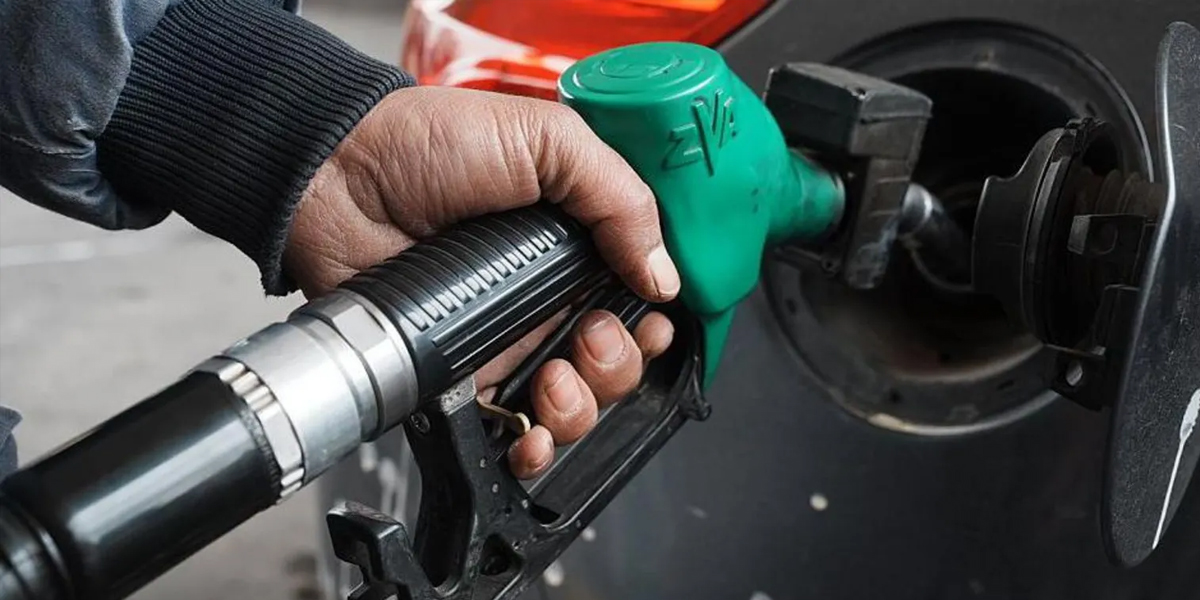
The escalating regional crisis has triggered a sharp gas prices spike, sending shockwaves through global financial markets and raising fresh concerns about inflation, energy bills and interest rates.
UK wholesale gas prices surged by more than 46% amid intensifying tensions in the Middle East, while major stock market indices in the US, Europe and Asia fell sharply as investors reacted to growing geopolitical risks.
The volatility follows US and Israeli strikes on Iran and Tehran’s retaliation, developments that have heightened fears of prolonged disruption to global energy supplies.
Energy markets surge on supply fears
The UK gas benchmark climbed above 165p per therm on Tuesday — its highest level in three years — before easing back to around 146p later in the day. Prices have now roughly doubled since the latest wave of military strikes began at the weekend.
Oil markets also reacted strongly. Brent crude briefly rose above $85 a barrel and remains about 17% higher than last week’s close.
A key trigger for the gas prices spike was QatarEnergy’s decision to halt production at some facilities following what it described as “military attacks.” The company also suspended output of aluminium, methanol and urea, materials vital to global industrial and agricultural supply chains.
Analysts warn that while oil markets have more flexibility to source alternative supply, gas markets are typically more sensitive to sudden disruptions.
Global stock markets slide
Financial markets reacted swiftly to the mounting uncertainty.
In the United States, the Dow Jones Industrial Average plunged by nearly 900 points at the opening bell, while the S&P 500 and Nasdaq also recorded significant losses. European markets followed suit, with the FTSE 100 down 2.6%, Germany’s Dax falling 3.6% and France’s CAC 40 declining 2.9%.
Asian markets were similarly affected. Japan’s Nikkei closed 3.3% lower, with export-focused firms such as Toyota, Panasonic and Sony among the biggest fallers. Hong Kong’s Hang Seng and China’s Shanghai Composite also dropped, while South Korea’s Kospi fell more than 7% after reopening from a public holiday.
Investors are increasingly focused on the potential economic fallout, particularly the risk that higher energy costs could reignite inflation pressures.
Strait of Hormuz disruption raises alarm
Much of the market anxiety centres on the Strait of Hormuz, one of the world’s most critical energy chokepoints. Roughly 20% of global oil and gas flows through the narrow waterway.
Shipping traffic has slowed sharply after several vessels were attacked in recent days. Iranian Revolutionary Guard adviser Ebrahim Jabbari warned ships to avoid the region or face a “serious response”.
Logistics experts say the route is effectively paralysed. Sanne Manders of Flexport told the BBC the strait was “effectively closed,” citing both security fears and insurers’ reluctance to cover vessels in the area.
The disruption has already driven transport costs sharply higher. Charter rates for supertankers moving oil from the Middle East to China surged to more than $400,000 per day — nearly double the previous week — according to London Stock Exchange Group data.
What it means for inflation and interest rates
Economists warn the gas prices spike could feed into broader inflation if sustained, potentially complicating central banks’ plans to cut interest rates later this year.
Higher oil prices typically filter through to petrol, transport and food costs. In the UK, forecourt operators say pump prices are likely to rise if crude remains elevated.
Alasdair Locke, chairman of Motor Fuel Group, said increases in oil prices would “inevitably” push fuel costs higher, though the scale will depend on how long the surge lasts.
For households, any immediate impact on energy bills is limited by the UK price cap, which runs until July. However, sustained wholesale increases could influence future cap levels.
Echoes of the Ukraine energy shock
Market watchers are drawing parallels with the energy shock that followed Russia’s full-scale invasion of Ukraine in 2022, which drove global inflation sharply higher.
Business groups fear a repeat scenario if Middle East tensions continue to escalate. Risk consultancy Avellon Intelligence warned crude could exceed $100 a barrel if shipping disruption persists.
In the United States, officials are already monitoring the situation closely. President Donald Trump is due to meet Treasury Secretary Scott Bessent and Energy Secretary Chris Wright to assess potential cost-of-living impacts.
Secretary of State Marco Rubio indicated Washington would soon outline measures aimed at mitigating rising energy prices.
Outlook remains highly uncertain
For now, markets remain on edge. Traders say the trajectory of energy prices will depend heavily on whether shipping through the Strait of Hormuz resumes and whether further military escalation occurs.
With energy markets tightly linked to global inflation and growth prospects, the current gas prices spike is likely to remain a key risk factor for the world economy in the weeks ahead.
