
Health experts have warned that a growing measles outbreak in London could lead to a rise in cases of a rare but fatal neurological condition among children who have not received the MMR vaccine.
According to the UK Health Security Agency (UKHSA), 61 confirmed measles cases have been recorded in London over the past month, most involving children under the age of 10 in Enfield — an area with one of the lowest vaccination uptake rates in the country.
Professor Simon Kenny, NHS England’s national clinical director for children and young people, warned that falling immunisation rates could have grave consequences.
“As we see more children infected because they are unvaccinated, we are likely to see more children affected by very serious complications,” he said.
One of the most devastating complications is subacute sclerosing panencephalitis (SSPE), a rare but catastrophic brain disorder that can develop six to 10 years after a measles infection.
Professor Benedict Michael, professor of neuroscience and chair of the scientific advisory panel at Encephalitis International, described the condition as “a gradual but relentlessly progressive brain damage”.
He added: “Despite all of our drugs that we throw at it – immune drugs, antivirus drugs – it’s basically universally fatal.”
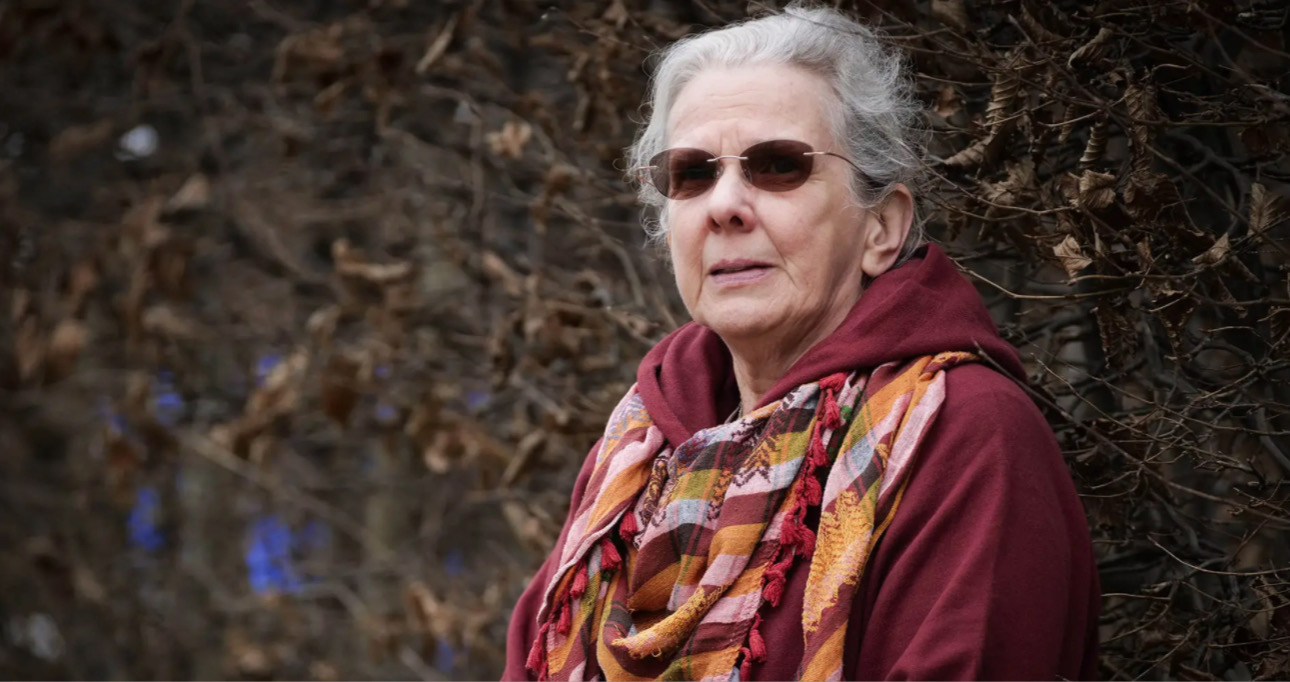
Jo Walton knows the devastating impact of SSPE all too well.
Her daughter Sarah contracted measles in 1979 at just 11 months old — too young at the time to receive the routine vaccine. Walton recalled that initially, the illness seemed mild. “She recovered really well. To be honest, it was kind of a non-event, apart from the spots,” she said.
However, in 2004, aged 25 and working as a midwife, Sarah began suffering unexplained muscle spasms. She was later diagnosed with SSPE. Just weeks before her wedding, she experienced a severe seizure.
“She went into the hospital walking and talking. And four weeks later, when she came out, she couldn’t move, she couldn’t speak and she couldn’t swallow,” Walton said.
Sarah required round-the-clock care for the next 20 years. In February 2025, after repeated bouts of pneumonia, she died at home.
“She waited till I left the room to do it,” Walton said. “We miss her. We miss her a lot.”
Between 2000 and 2016, only five SSPE cases were recorded in the UK, including Sarah’s. However, six children were diagnosed between 2017 and 2019, and experts fear numbers could climb again as measles infections increase.
Public health officials are urging parents to ensure children receive the MMR vaccine, which protects against measles, mumps and rubella. Measles is one of the most contagious viral diseases and can lead to severe complications, particularly in young children.
With vaccination rates falling in some parts of the UK, health authorities warn that preventable illnesses — and their long-term consequences — could return.