
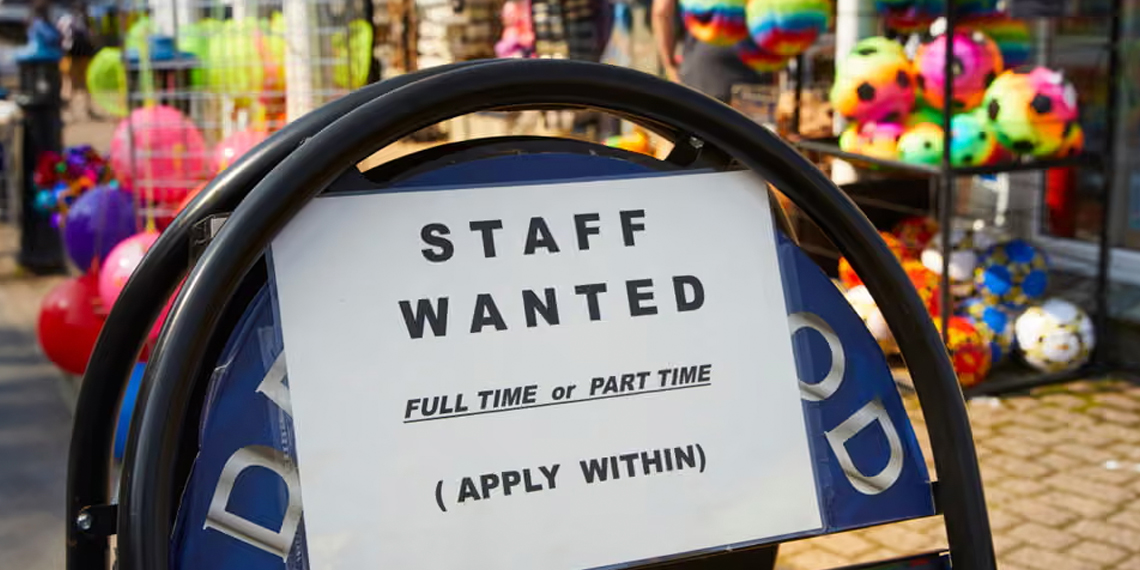
UK job vacancies have dropped to their lowest level in five years, signalling a cooling labour market and mounting pressure on young jobseekers, according to new research.
Data from job search platform Adzuna shows the number of advertised roles fell by 3% in January to 695,000 — the first time vacancies have slipped below the 700,000 mark since January 2021, during the pandemic period.
The figures come amid broader signs of labour market weakness, with official statistics recently confirming unemployment has climbed to a five-year high of 5.2%.
Sharp Decline in Hiring Activity
The latest drop continues a steady downward trend that gathered pace throughout late 2025. Compared with the same month last year, advertised vacancies are down 16%, and have fallen nearly 20% over the past six months.
The contraction highlights how quickly hiring demand has cooled since mid-2025, as many employers reassess recruitment plans in response to rising employment costs and economic uncertainty.
Businesses have faced increased financial pressure following higher national insurance contributions and minimum wage rises announced in recent government budgets, prompting many firms to rein in hiring.
Graduate Roles Hit Record Low
The slowdown has been particularly visible at the entry level. Graduate job listings fell below 10,000 for the first time since Adzuna began tracking the data in 2016.
This decline raises fresh concerns about the prospects facing young people entering the labour market, especially as youth unemployment continues to climb.
Recent figures show unemployment among 18- to 24-year-olds reached 14% in the final quarter of 2025 — the highest level in five years when pandemic distortions are excluded.
Automation and AI Reshape Recruitment
Analysts say structural changes are also influencing hiring patterns. Some employers are increasingly directing investment toward automation and artificial intelligence tools instead of expanding their workforce.
This shift is contributing to fewer entry-level opportunities and intensifying competition for available roles.
Adzuna’s data shows there are now 2.4 jobseekers for every vacancy, up from 2.27 in December, underlining the tightening labour market.
London Sees Steepest Monthly Drop
While vacancies declined nationwide, London recorded the sharpest monthly fall. Advertised roles in the capital dropped by nearly 6% in January, reflecting a broader cooling in the UK’s largest labour market.
Despite the overall slowdown, demand remains strongest in frontline and logistics roles. The most frequently searched positions include warehouse operatives, healthcare support workers, lorry drivers, labourers and kitchen assistants.
Wages Provide a Partial Bright Spot
One area offering some encouragement is pay growth. Average advertised salaries rose to £43,289 in January, representing an annual increase of almost 6% and comfortably outpacing inflation, which recently fell to about 3%.
Andrew Hunter, co-founder of Adzuna, said the labour market remains competitive but not uniformly weak.
“Although competition for roles remains high, these pockets of strength suggest businesses are beginning to adapt to tougher conditions and invest where it matters,” he said.
“For jobseekers in early 2026, the market remains challenging, with fewer vacancies and intense competition, but continued wage growth suggests employers are still willing to pay for the right skills.”
The cooling in UK job vacancies reflects broader uncertainty in the British economy as businesses navigate higher labour costs, slowing growth and rapid technological change.
Economists have warned that sustained weakness in hiring — particularly for young workers — could weigh on productivity and long-term growth if the trend continues.
For now, the labour market remains resilient compared with pre-pandemic norms, but the latest data suggests the balance of power is shifting back toward employers after several years of worker shortages.