
Pressure is mounting on the government to outlaw cryptocurrency political donations UK, after a former Labour minister joined senior MPs and security experts warning that digital currencies could open the door to foreign interference in British elections.
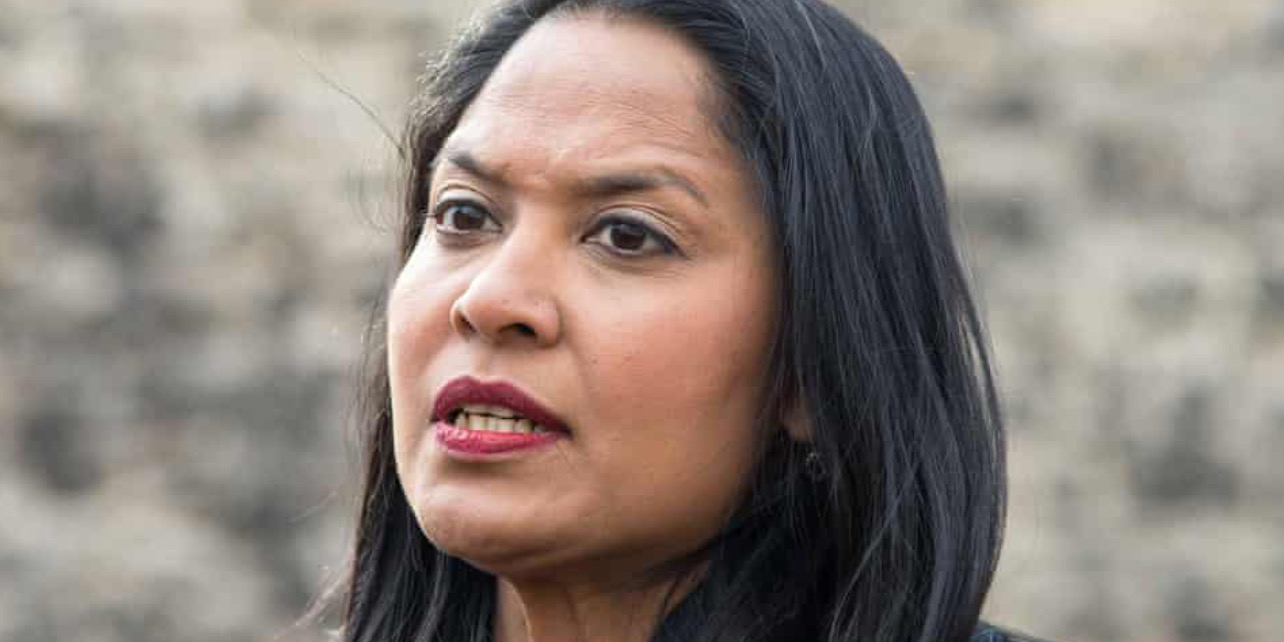
Rushanara Ali, the Labour MP who helped draft the elections bill during her time in the communities department, has urged ministers to strengthen the legislation by introducing a full ban on political donations made in cryptocurrencies. Her intervention comes as concerns deepen across Westminster about the ability of hostile actors to exploit digital finance to influence UK democracy.
Ali is expected to press the issue when the elections bill returns to the House of Commons on Monday, with ministers already signalling that further safeguards against foreign interference may be required.
Growing alarm over digital loopholes
Ali warned that adversaries of democratic systems are constantly seeking new methods to bypass existing safeguards.
“The enemies of democracy are constantly looking at new ways to undermine our system,” she said, urging the government to act decisively.
She argued that without immediate reform, cryptocurrencies could become a significant vulnerability in the UK’s political finance framework. According to Ali, digital currencies provide multiple technical routes to evade transparency rules, including the use of multiple crypto wallets, fragmentation of large donations into smaller sums, and anonymity tools such as privacy coins.
International precedents for bans
Supporters of tighter controls note that several jurisdictions have already moved to restrict or prohibit cryptocurrency political donations. Ali pointed to Ireland, Brazil and a number of US states as examples where bans are already in place.
Cryptocurrency’s defining feature — the ability to transfer funds without revealing the sender’s identity — has long raised red flags among election watchdogs and anti-corruption groups. Critics argue this anonymity could allow foreign donors to secretly channel money into UK political campaigns, circumventing long-standing rules that prohibit overseas funding.
Review into foreign money ongoing
The government has commissioned a broader review into illicit foreign funding in British politics, led by former senior civil servant Philip Rycroft. However, the findings were not ready in time to be incorporated into the current elections bill.
Government insiders indicate ministers are increasingly aware that the regulatory framework may need updating to reflect rapid changes in digital finance and political campaigning.
Ali’s renewed push also reflects growing cross-party unease about the resilience of the UK’s electoral system in the face of evolving technological threats.
Political backdrop and rising scrutiny
Concern over foreign interference has intensified following recent high-profile cases. The jailing of former Reform UK Wales leader Nathan Gill — who admitted taking bribes linked to pro-Russia activity — has sharpened focus on vulnerabilities within the political system.
At the same time, Reform UK became the first British political party to accept cryptocurrency donations last year, launching a dedicated crypto portal. The party said contributions would be subject to enhanced due diligence, but critics argue that enforcement remains difficult in practice.
In January, seven Labour MPs who chair key parliamentary committees — including foreign affairs, defence and international security — formally called for a ban on crypto donations, signalling growing momentum behind reform.
Watchdogs warn of global trend
Anti-corruption campaigners say the risks are not theoretical. Spotlight on Corruption has warned that hostile states are increasingly using cryptocurrency networks to destabilise democratic systems worldwide.
Experts argue that without clear statutory limits, the UK could become exposed to covert political financing routed through complex digital channels that are difficult to trace.
Alongside donation rules, ministers are also examining broader threats linked to online interference. Government sources say officials are considering new powers to curb foreign-backed misinformation on social media, potentially including measures to slow the spread of viral false claims.
Possible further legislation ahead
Officials have indicated that additional measures could be introduced either as amendments to the current elections bill or through separate legislation. This may follow the government’s forthcoming consultation on restricting social media access for under-16s, expected next week.
A spokesperson for the communities department said the government was already taking steps to strengthen protections.
“Through our representation of the people [elections] bill we are fighting against the risk of foreign interference by strengthening rules around political donations,” the spokesperson said.
They added that the independent review led by Rycroft would explore how safeguards could be further tightened, including in relation to cryptocurrency funding.
As Parliament prepares to revisit the issue, the debate over crypto donations is rapidly emerging as a key test of how the UK adapts its democratic protections in the digital age.