
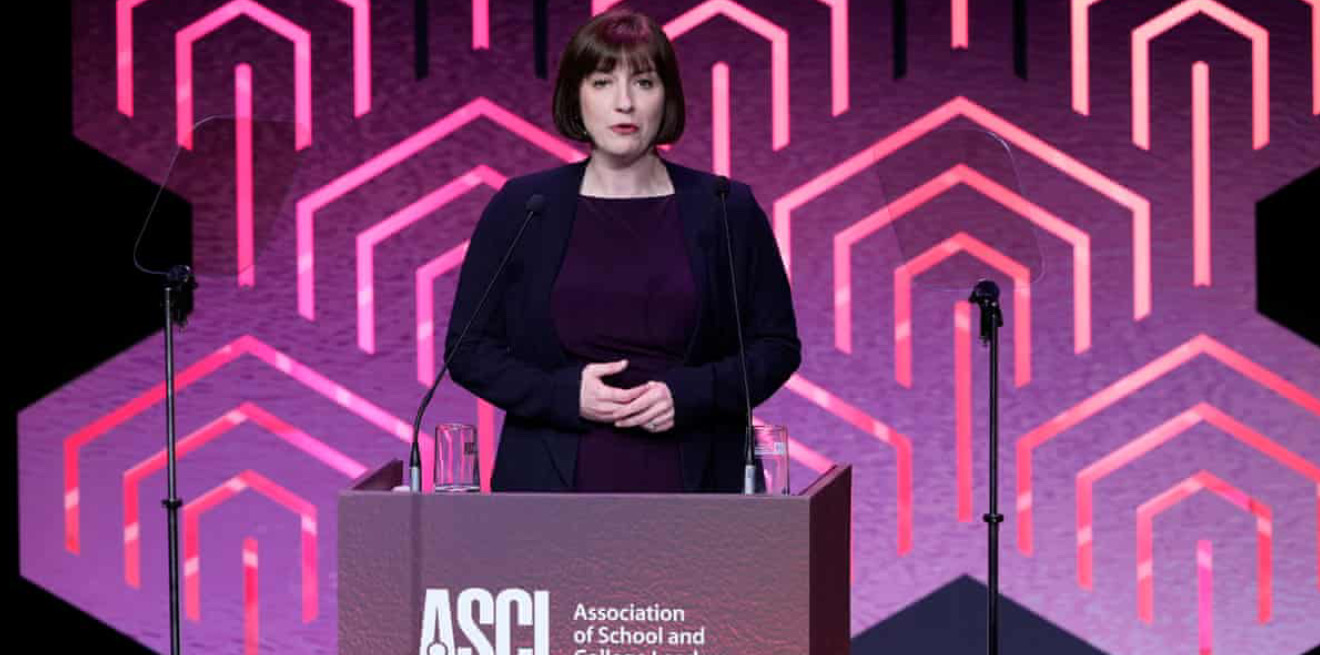
Bridget Phillipson has accused lawyers of exploiting parents of children with special educational needs, claiming some legal professionals are criticising government reforms because they profit from the current system.
Speaking at the annual conference of the Association of School and College Leaders, Phillipson defended the government’s proposed overhaul of special educational needs provision in England.
The reforms aim to reduce the number of disputes between families and local authorities over support for children with special educational needs and disabilities (SEND).
Phillipson said the changes were intended to move away from what she described as a confrontational system where families often feel forced to pursue legal action to secure help for their children.
“It’s been little surprise to me that there’s been such vociferous criticism from lawyers about the changes that we’re bringing,” she said.
“You know, they’ve got a vested interest in maintaining the failed status quo. There’s profit to be made.”
She added that some legal firms benefit from parents taking cases through legal channels.
“They want the system to remain as it is, because they make a profit often out of exploiting parents.”
Phillipson stressed that parents themselves should not be blamed for seeking the best support for their children.
“I don’t, for one second, blame parents who are pushing really hard for what their children need. Who wouldn’t? But it’s a fundamentally unfair system if parents who’ve got the money to hire lawyers end up getting a better deal than those who don’t.”
The proposed changes could see more children with conditions such as autism or ADHD educated in mainstream schools rather than specialist institutions.
The government’s schools white paper also outlines plans to limit local authority spending on private special school placements.
Critics argue this could reduce available places and increase pressure on the system.
However, Phillipson defended the move, saying it was necessary to tackle rising costs within the sector.
“We do have to clamp down on the wholly unacceptable income increase that we’ve seen in private-equity backed, independent specialist provision.”
“It’s sucking money out of the education system in profits, which should be focused on delivering outcomes for children.”
Education leaders attending the conference said they broadly supported reforms aimed at improving early support for pupils with additional needs.
However, Jo Rowley, deputy headteacher from Stafford and current president of ASCL, warned that schools were concerned about becoming the focus of disputes between families and authorities.
She said: “We work with parents at the moment – parents will be in a battle with the local authority over education, health and care plans and we will be working with those parents.”
“I wouldn’t like to see that battle then become a battle between the family and the school because that is definitely not helpful.”
Phillipson acknowledged that parents have the right to raise concerns with schools when support is not working effectively.
“Parents do and should have every right to air concerns with their child’s school about where things aren’t working well but it’s about how that is responded to collectively.”
She added that cooperation between families, schools and authorities would be essential to ensure children with special educational needs receive the support they need.