
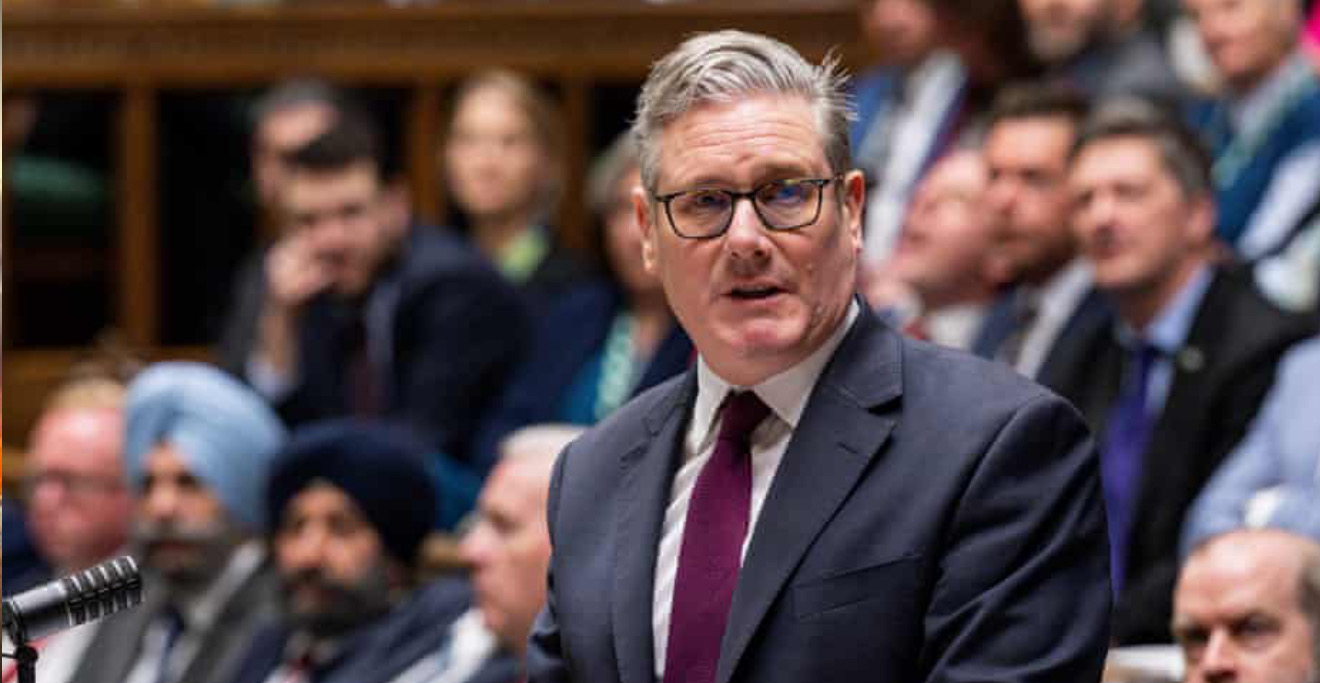
Prime Minister Sir Keir Starmer is weighing changes to the controversial UK immigration rules settled status changes after mounting pressure from Labour MPs and a high-profile intervention by Deputy Prime Minister Angela Rayner.
The proposed reforms would significantly extend the time most migrants must wait to qualify for indefinite leave to remain, increasing the period from five years to 10 years. However, amid growing internal dissent, ministers are now considering exemptions to soften the impact of the UK immigration rules settled status changes and maintain party unity.
Government considers exemptions to ease concerns
Under the revised approach being discussed, large groups of migrants could be excluded from the stricter requirements.
These may include workers in the public sector, as well as individuals who are already close to qualifying for settled status under the current five-year system.
Downing Street confirmed that ministers are reviewing responses to a Home Office consultation to determine how far exemptions should go.
However, officials have made clear that not all migrants currently in the UK will be exempt, despite calls from senior Labour figures for broader protections.
Plans to double settlement waiting period
The proposed changes, announced by Home Secretary Shabana Mahmood, would make it harder for migrants to gain permanent residency.
Most individuals would need to wait 10 years before qualifying for settled status, compared with the current five-year requirement.
The reforms also include making refugee status temporary rather than permanent, marking a significant shift in UK immigration policy.
Mahmood said the changes are intended to create a “fair and properly managed immigration system” following years of high migration levels.
Backlash from Labour MPs and party figures
The proposals have sparked significant opposition within the Labour Party.
Around 100 Labour MPs signed a letter criticising the reforms, arguing that they risk undermining fairness and could alienate communities.
Angela Rayner publicly criticised the changes, warning that altering settlement rules retrospectively would damage trust.
“We cannot talk about earning a settlement if we keep moving the goalposts,” she said. “Because moving the goalposts undermines our sense of fair play. It’s un-British.”
Other MPs have raised concerns about the tone and direction of the policy, suggesting it could harm Labour’s relationship with key voter groups.
Concerns over retrospective application of rules
One of the most controversial aspects of the UK immigration rules settled status changes is the proposal to apply them retrospectively.
This would affect migrants who are already living and working in the UK, including those who arrived under previous governments.
Mahmood has argued that such measures are necessary to address what she described as historically high levels of migration.
She cited figures indicating that net migration reached 2.5 million between 2021 and 2024, warning that hundreds of thousands of individuals could otherwise qualify for settlement in the coming years.
New measures include incentives and enforcement
The government has also proposed additional measures aimed at reducing immigration numbers.
These include a pilot scheme offering up to £40,000 to families whose asylum claims have been rejected to encourage voluntary departure from the UK.
Mahmood said that individuals who refuse to leave could face enforced removal, including the use of force if necessary.
The proposals have drawn criticism from some Labour MPs, who argue that such measures could be overly harsh and politically damaging.
Faster settlement for high earners and key workers
As part of the consultation, the government is also considering a tiered system for settlement.
Under these proposals, some individuals could qualify more quickly depending on their circumstances.
For example, migrants earning more than £125,140 annually for three consecutive years could qualify for settlement in just three years.
Public sector workers may be eligible after five years, maintaining the current timeline for certain key roles.
In contrast, individuals who have claimed benefits could face significantly longer waiting periods, potentially up to 15 or 20 years depending on their circumstances.
Internal tensions within Labour intensify
The debate over the UK immigration rules settled status changes has highlighted divisions within the Labour Party.
Starmer held a meeting at Downing Street with Black and minority ethnic MPs, along with senior ministers including Justice Secretary David Lammy, to address concerns.
Some MPs described the discussions as reflecting “a lot of frustration” within the party, with complaints that leadership was not adequately listening to internal feedback.
Others criticised the overall approach to immigration policy, suggesting it risks alienating both party members and voters.
Government defends reforms as necessary
Despite the backlash, Downing Street has defended the proposals as part of a broader effort to manage immigration more effectively.
A spokesperson said the government remains committed to delivering a system that is both fair and sustainable.
“In the four years before the election, we saw record levels of immigration,” the spokesperson said.
“In the manifesto, we promised to deliver a fair and properly managed immigration system.”
Officials emphasised that final decisions will be made after reviewing consultation responses.
Political context and pressure from opposition
The reforms come amid growing political pressure on immigration, particularly from parties such as Reform UK, which have called for stricter controls.
At the same time, Labour faces challenges from its left flank, with critics arguing that tougher policies risk undermining the party’s traditional values.
Recent election results, including a Green Party victory in the Gorton and Denton by-election, have highlighted the complex political landscape facing the government.
Evolution of UK immigration policy
The UK immigration rules settled status changes form part of a broader shift in immigration policy following Brexit.
Since leaving the European Union, the UK has moved toward a points-based system aimed at controlling migration and prioritising skilled workers.
However, high migration levels in recent years have led to renewed debate about the effectiveness of existing policies.
Successive governments have introduced measures to reduce numbers while balancing economic needs and humanitarian commitments.
Future of the policy remains uncertain
As ministers continue to review consultation feedback, the final shape of the reforms remains unclear.
The extent of exemptions and the treatment of existing migrants will be key factors in determining both the political and practical impact of the changes.
With pressure mounting from within Labour and across the political spectrum, the government faces a delicate balancing act between tightening immigration controls and maintaining support within its own ranks.
The outcome of the UK immigration rules settled status changes debate is likely to have lasting implications for the UK’s immigration system and political landscape.