
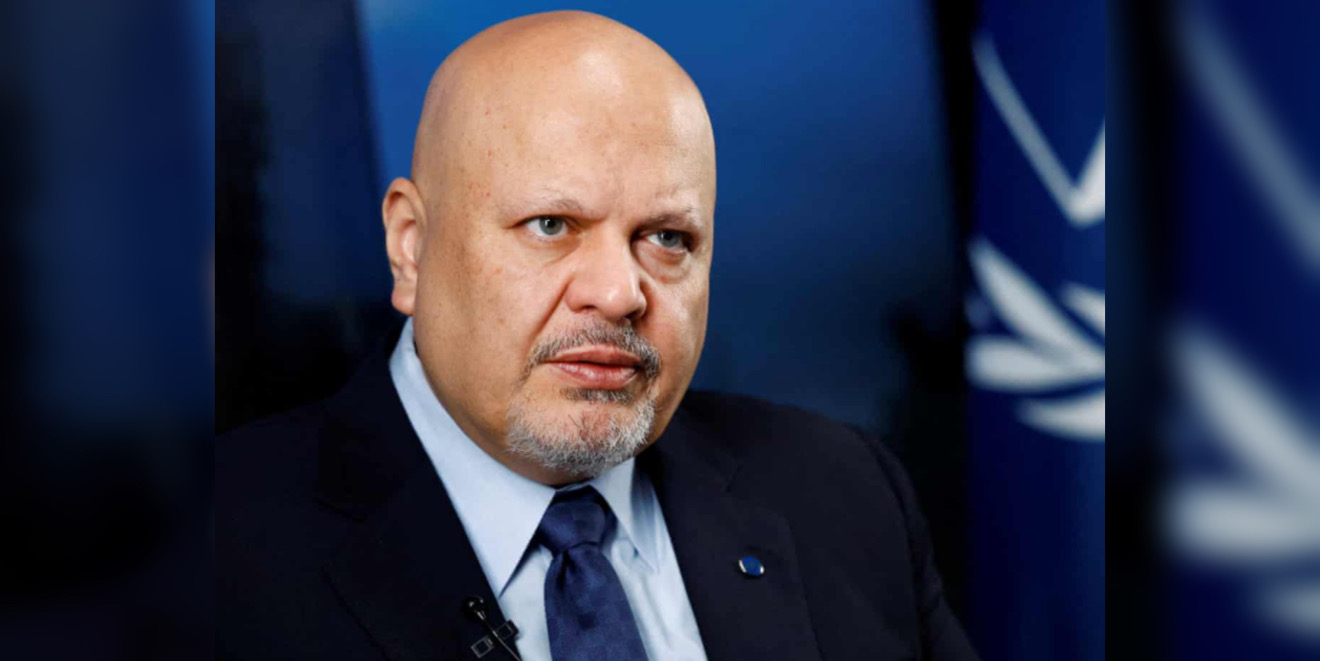
The International Criminal Court (ICC) is set to review new legal advice that challenges a United Nations investigation into allegations against its chief prosecutor, Karim Khan, as pressure mounts over his future at the court.
The ICC’s governing body is expected to meet to assess an 85-page report by a panel of judges, which disputes key conclusions of a previous UN inquiry into claims of misconduct against the senior British lawyer.
The UN investigation, conducted last year, is understood to have found a factual basis for allegations of sexual misconduct made against Khan. However, the newly commissioned judicial panel concluded that the evidence did not meet the criminal threshold of proof.
Using the standard of “beyond reasonable doubt”, the judges advised that the UN report failed to demonstrate that Khan’s conduct amounted to misconduct or a breach of duty.
The panel was also critical of how the UN inquiry was carried out, stating that it did not adequately resolve inconsistencies between accounts given by Khan and the complainant.
“The investigators in the present matter either did not reach conclusive factual determinations or concluded that such determinations were impossible… Consequently, the UN report failed to establish where the truth lies,” the judges said.
The judges emphasised that their review was strictly a legal analysis of the UN investigation and did not involve cross-examining witnesses or reassessing evidence directly.
Their findings have sparked debate among ICC member states, which are responsible for overseeing the Hague-based court, over how much weight should be given to the conflicting reports.
Khan’s legal team is expected to argue that the panel’s conclusions effectively clear him of wrongdoing, describing the findings as a “decisive and meticulously reasoned legal finding”.
However, the process is ongoing, and no final decision has been made. Khan could still face disciplinary action, including possible dismissal, depending on how member states interpret the evidence.
Päivi Kaukoranta, president of the ICC’s Assembly of States Parties, said the matter remains under review.
“The disciplinary process before the bureau is ongoing and remains confidential,” she said.
“No decisions have been taken, and no weight should be given to recent media speculation.”
The original UN report, compiled by the Office of Internal Oversight Services, outlined allegations that Khan’s behaviour escalated over time, including claims of non-consensual sexual contact in various settings, including his residence and official premises.
It said there was sufficient evidence to establish a factual basis for the claims and recommended that the ICC consider appropriate action.
In contrast, the judicial panel said it was faced with “diametrically opposed versions of events” and found that the UN report often failed to reach definitive conclusions or test the credibility of witnesses.
Khan has consistently denied any wrongdoing and has been on leave since May last year, when the allegations first emerged.
His future now rests with the ICC’s member states, who must decide whether the UN findings alone justify disciplinary measures or whether the panel’s legal assessment should prevail.
If the governing body determines that serious misconduct may have occurred, the court’s 125 member states could ultimately be asked to vote on whether to remove him from office.