
A sweeping reform targeting UK political donations cap rules will come into force from Wednesday, as ministers introduce strict limits on overseas funding and temporarily ban cryptocurrency donations in a bid to safeguard British democracy.
Under the new measures, political donations from British citizens living abroad will be capped at £100,000 per year. The policy is expected to significantly curb large-scale funding from overseas-based donors, including high-profile contributions to political parties in recent years.
The legislation, part of a wider representation of the people bill, will be applied retrospectively from Wednesday, subject to parliamentary approval, in what ministers describe as an urgent step to prevent foreign interference in UK politics.
New cap on overseas political donations
The introduction of the UK political donations cap marks a major shift in electoral funding rules, placing a firm limit on the amount individuals living abroad can contribute annually.
Ministers say the move is designed to address growing concerns about transparency, accountability and fairness in political financing, particularly where donors are outside the UK’s tax and regulatory systems.
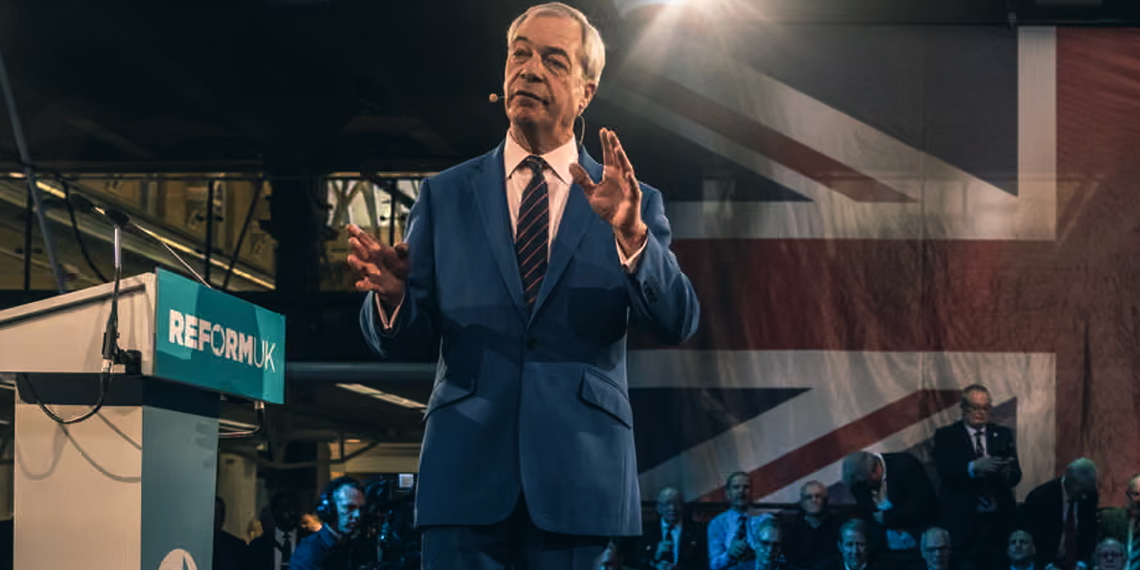
The change is likely to affect parties that have relied heavily on overseas funding, including Reform UK, which has reportedly received substantial donations from UK nationals based abroad.
Temporary ban on cryptocurrency donations
Alongside the donation cap, the government has announced a temporary ban on political donations made using cryptocurrency.
Officials argue that digital assets present a significant risk due to their potential use in concealing the origin of funds, making it harder for regulators to track whether money is coming from permissible sources.
The ban is intended as a precautionary measure while authorities develop stronger regulatory frameworks to monitor and control crypto-based political funding.
Government warns of foreign interference risks
Communities Secretary Steve Reed said the reforms are necessary to protect the integrity of the UK’s democratic system.
He warned that the government would not allow any opportunity for “malign actors” to exploit loopholes in political funding rules, particularly amid rising concerns about foreign influence.
The reforms follow growing warnings from security experts and former officials about the risks posed by hostile states and foreign-backed actors seeking to shape political outcomes in the UK.
Review highlights vulnerabilities in funding system
The measures are based on recommendations from a review led by senior civil servant Philip Rycroft, who warned that overseas donations are more difficult to trace and regulate than domestic funding.
Rycroft said the complexity of tracking foreign-based donors creates potential vulnerabilities in the electoral system, particularly when funds pass through multiple jurisdictions.
He also raised concerns about fairness, noting that overseas donors may not contribute to the UK tax system while still being able to make significant political donations.
The review recommended setting an annual cap between £100,000 and £300,000, with the government opting for the lower threshold.
Links to wider national security concerns
The introduction of the UK political donations cap comes amid broader concerns about foreign interference, including influence operations linked to countries such as Russia, China and Iran.
Rycroft cited evidence suggesting that online political activity linked to foreign actors can have measurable effects on public debate, including during major political events such as referendums.
He also highlighted risks from allied countries, noting that wealthy individuals abroad could attempt to influence UK politics through large financial contributions.
Additional reforms proposed
The review outlined a series of further recommendations aimed at strengthening transparency and accountability in political funding.
These include requiring third-party campaigners to declare donations year-round, tightening checks on donor identities and funding sources, and preventing the use of shell companies to channel political donations.
Other proposals include banning foreign-funded political advertising and requiring foreign lobbyists to register officially, closing gaps in existing regulations.
Rycroft also suggested lowering the threshold for declaring donations, currently set at £11,180, to increase transparency around smaller contributions.
Growing scrutiny of political funding
The reforms follow increased scrutiny of political donations in the UK, particularly after cases involving alleged foreign-linked funding and concerns about transparency in campaign financing.
Recent years have seen heightened awareness of how global financial flows and digital technologies can be used to influence elections and public opinion.
The Electoral Commission and other watchdogs have repeatedly called for stronger powers to monitor and enforce political finance rules in response to these evolving risks.
Balancing openness and security
The government’s approach reflects a broader effort to balance the openness of the UK’s political system with the need to protect it from external interference.
While overseas British citizens retain the right to participate in political life, ministers argue that limits are necessary to ensure fairness and prevent disproportionate influence.
The temporary ban on cryptocurrency donations also reflects wider global debates about regulating digital assets in political and financial systems.
Next steps and parliamentary approval
The UK political donations cap and related measures will require parliamentary approval before becoming permanent law, though ministers have signalled their intention to implement them swiftly.
Debate is expected over the scope of the reforms and their potential impact on political parties and campaign financing.
However, officials have made clear that protecting the integrity of UK elections remains the central priority as concerns about foreign influence continue to grow.