
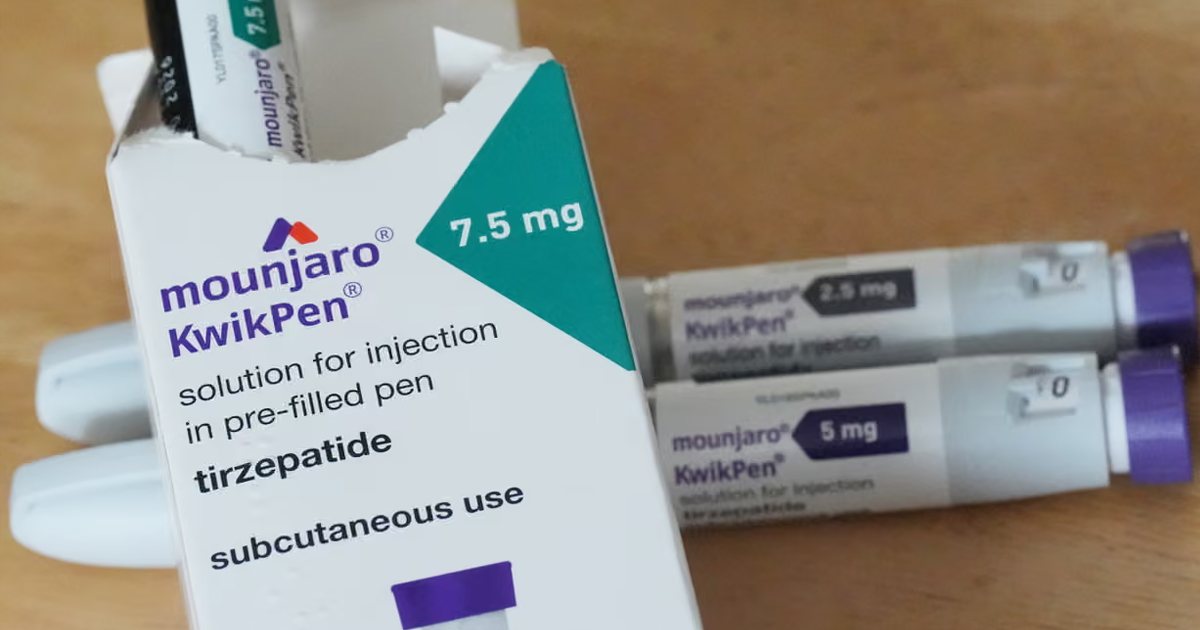
US pharmaceutical giant Eli Lilly has signalled it could restart major UK investments if the government agrees to increase NHS drug prices and reform existing rebate schemes.
The company, which produces the weight-loss drug Mounjaro, is currently in discussions with ministers, with hopes of reaching an agreement later this year.
Patrik Jonsson, president of Eli Lilly’s international business, said the company is seeking a long-term shift in how medicines are priced in the UK. He told the Financial Times that negotiations could include “innovative” approaches, such as linking payments for treatments to outcomes like patients returning to work.
Jonsson argued that current pricing structures are outdated, stating: “prices for medicines in the UK had been ‘far too low for far too long, and even with the current threshold, we are not back to where we started more than 20 years ago’.”
He added: “The threshold can’t be written in stone for another three decades.”
Eli Lilly previously paused significant UK investment plans, including a proposed laboratory site in London, as part of a wider industry pullback estimated at nearly £25 billion.
Jonsson said future investment would depend on government action, noting: “What we would need to see is actually those goals turning into really a well-defined action plan with interventions and timelines.”
The push comes amid broader industry pressure on the UK to increase drug spending, particularly following changes to cost-effectiveness thresholds under Keir Starmer’s government.
Pharmaceutical companies have also criticised the current rebate system, which requires firms to return a portion of revenue if NHS spending on branded medicines exceeds agreed limits.
Jonsson suggested the payments should be phased out entirely, saying they “should actually get down to zero” over time.
At the same time, Eli Lilly is exploring new models for delivering treatments such as Mounjaro, including outcome-based pricing agreements.
“We have seen some data already [on] how intervening and treating obesity actually reduces absenteeism … for an employer, that makes a heck of a difference,” he said.
The Department of Health and Social Care said it remains committed to improving access to innovative treatments while balancing costs.
A spokesperson said: “Everyone deserves access to the best and most innovative treatments, and our changes to medicine pricing will make sure thousands of NHS patients gain faster access to new treatments.”
The department added it is continuing to implement the UK-US pharmaceutical agreement, including updates to pricing thresholds.