
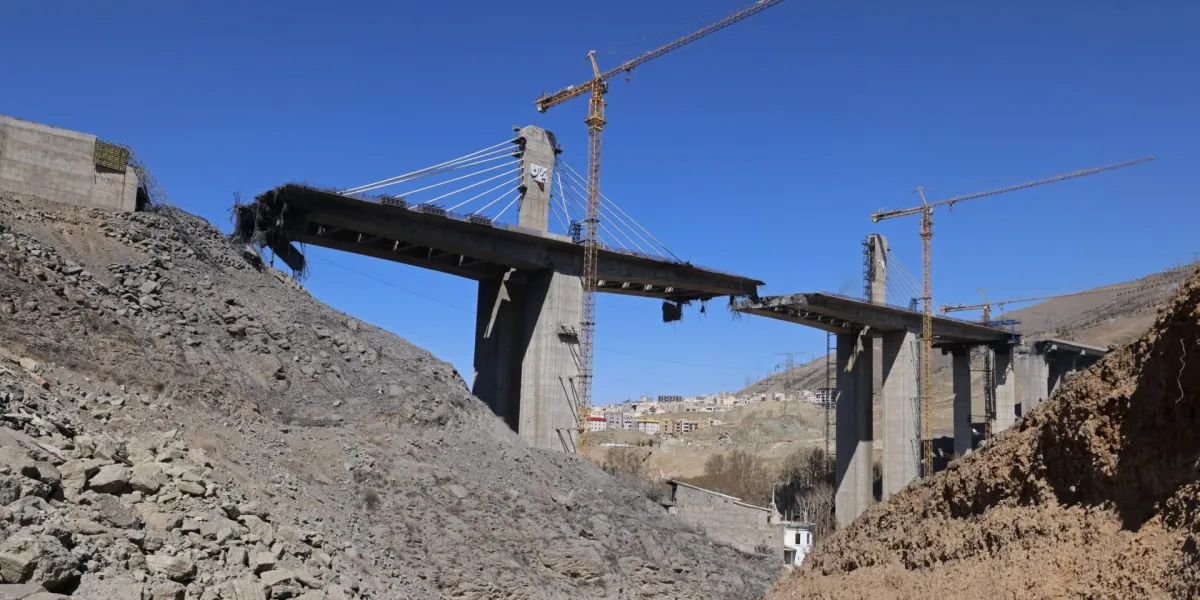
The UK government is set to refuse any request from Donald Trump to use British military bases for strikes on Iranian civilian infrastructure, including bridges and power plants.
Officials have made clear that access to RAF bases will only be granted for defensive operations, in line with international law and UK security interests.
Keir Starmer has previously stated that US use of British bases must be restricted to targeting military threats, such as missile systems that could endanger the UK or its allies.
A spokesperson for the Ministry of Defence said: “The UK authorised the United States to use British bases for defensive missions to destroy Iran’s missile capabilities which are threatening British people, bases, and our partners in the region.”
They added: “We won’t be providing a running commentary on our allies’ operations.”
While Trump has threatened strikes on Iran’s infrastructure, no formal request has yet been made to use UK bases for such operations.
The US president warned that unless Iran reopens the Strait of Hormuz, “they’ll have no bridges. They’ll have no power plants. They’ll have no anything.”
He also said: “We won’t want another Neville Chamberlain, do we agree?”
International law experts have warned that targeting civilian infrastructure could amount to a war crime, raising further concerns about any potential involvement.
A refusal by the UK to support such strikes risks deepening tensions between London and Washington, amid already strained relations between Trump and Starmer.
The UK continues to support defensive efforts in the region, including allowing US access to bases such as RAF Fairford and Diego Garcia for operations aimed at neutralising missile threats.
British military leaders are also hosting discussions with more than 40 countries on securing safe passage through the Strait of Hormuz once hostilities ease.
Richard Foord, a member of the Foreign Affairs Committee, stressed the importance of rules of engagement.
He said: “Rules of engagement exist in war for very good reason.”
He warned that failing to follow them could escalate conflict and undermine long-term stability.