
UK construction firms warn Labour’s tax changes could reduce investment, slow housing delivery and put thousands of jobs at risk.
Labour’s recent tax changes are placing growing pressure on UK businesses, with construction firms warning that higher costs could undermine investment, job creation and long-term economic growth.
The sector, which plays a critical role in delivering housing and national infrastructure, says government policy risks weakening its ability to meet ambitious targets, including the pledge to build 1.5 million homes.
From this month, reforms to Business Property Relief are increasing inheritance tax liabilities for many family-run firms, forcing difficult financial decisions.
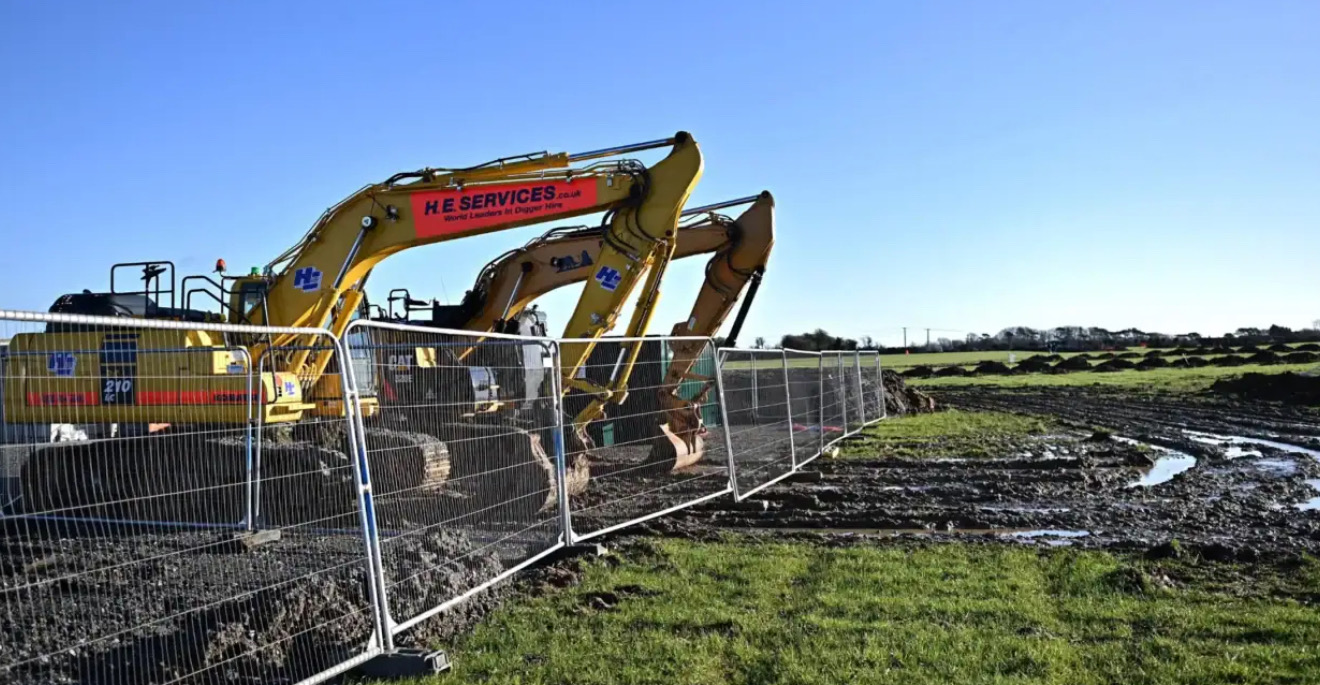
For capital-intensive industries such as plant-hire, the impact is particularly severe. These businesses rely on continuous reinvestment in machinery to keep projects moving.
Without that investment, companies warn, construction activity slows significantly. As industry leaders put it: “Quite simply, without plant, nothing gets built.”
Around 95% of firms in the sector are small and medium-sized enterprises, many built over generations. The latest changes have created what businesses describe as a “cliff edge”, with some forced to sell assets, take on debt or even close to meet tax demands.
Recent industry data highlights the scale of the challenge:
46% of firms are reducing investment in staff
61% are cutting back on plant and equipment
This decline in investment is already affecting output, with construction activity falling for fourteen consecutive months.
The sector is also grappling with a growing skills shortage. To meet housing and infrastructure goals, construction will need between 161,000 and 250,000 additional workers.
At the same time, around 500,000 workers are expected to retire over the next 15 years, widening the gap further.
Businesses warn that reduced investment in training and recruitment will make it increasingly difficult to meet demand.
Higher employment costs, including increases in employer National Insurance contributions, are adding to the burden. Proposed changes under the Employment Rights Act are expected to increase pressure even further.
Taken together, firms say these measures are limiting their ability to invest, hire and expand.
Industry leaders are urging the government to reconsider its approach, particularly the changes to Business Property Relief, to avoid long-term damage to the sector.
They argue that a more supportive tax framework is needed to encourage reinvestment and provide businesses with the confidence to plan ahead.
There are also calls for stronger support for apprenticeships and training, ensuring a steady pipeline of skilled workers for the future.
The construction sector plays a major role in the wider economy, with significant returns on investment. For every £100 million spent in plant-hire, the wider economy is estimated to gain £300 million.
However, businesses warn that without fair taxation, long-term certainty and support for investment, this potential could be lost.
As firms continue to navigate rising costs and policy changes, the message from the sector is clear: without the right conditions, the UK’s housing and infrastructure ambitions may fall short.