
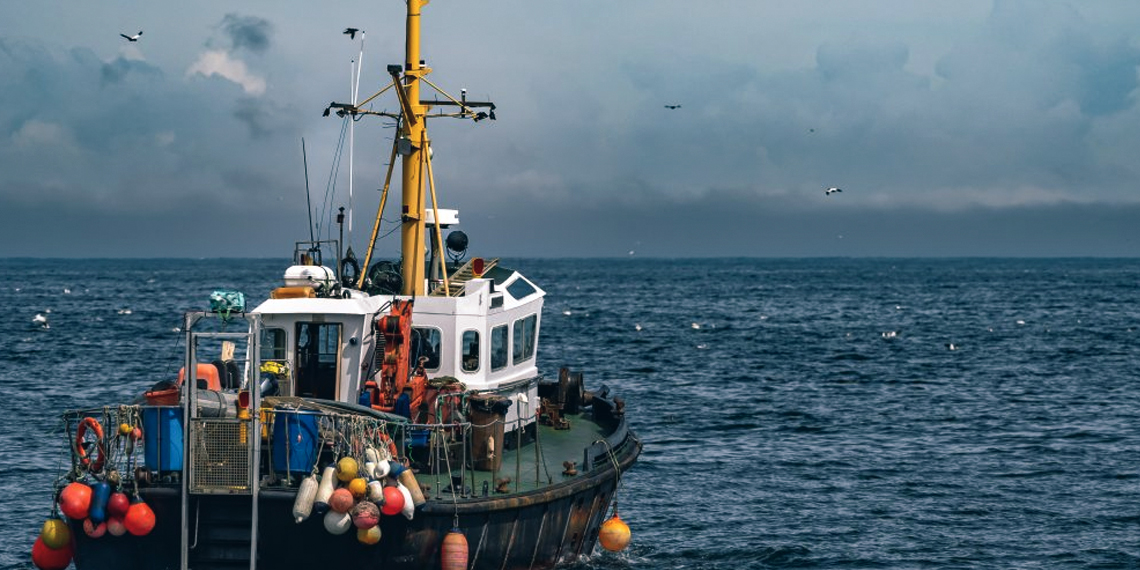
Rising fuel costs driven by the ongoing Iran war are placing severe pressure on island communities in Scotland, with businesses in the Western Isles warning they are operating on a knife edge.
Fishermen and crofters say the sharp increase in the price of red diesel is threatening the long-term viability of key local industries, as operating costs soar while incomes remain largely unchanged.
Fishing has long been a cornerstone of the Western Isles economy, but the recent surge in fuel prices is putting that stability at risk. Some small businesses report that fuel costs have doubled in recent weeks, significantly increasing the expense of running vessels and maintaining operations.
Local fisherman Finlay Macdonald, who operates two boats, says the industry is being squeezed from all sides. While fuel costs have surged, the price of fish has not kept pace, leaving crews struggling to stay profitable. He warned that the situation is becoming unsustainable, with businesses across the sector feeling the strain.
Red diesel, which powers fishing vessels and agricultural machinery, has risen from around 60–70 pence per litre to approximately £1.20 in a matter of weeks. This increase is estimated to add roughly £40,000 a year to the running costs of a single fishing boat.
Industry representatives say urgent government support is needed to prevent further damage. Local officials have warned that rising costs could reduce the number of fishing trips, leading to lower seafood supply across the UK and reduced earnings for crews.
The impact is also being felt across the farming and crofting community. Agricultural operations in the islands depend heavily on diesel for machinery such as tractors, generators and quad bikes. With already tight profit margins, farmers say the latest price surge is adding further pressure to an already fragile sector.
Producers have warned that higher costs could affect decisions on livestock numbers and winter preparation, potentially impacting food supply and rural livelihoods in the months ahead.
The UK government has acknowledged that the conflict in the Middle East is contributing to higher fuel prices. Officials pointed to existing support measures, including an extended fuel duty cut and tax relief on red diesel, which offers significant savings compared with standard diesel rates.
However, businesses in the Western Isles say current measures may not be enough, as rising energy costs continue to ripple through every part of the local economy, leaving communities facing increasing uncertainty.