
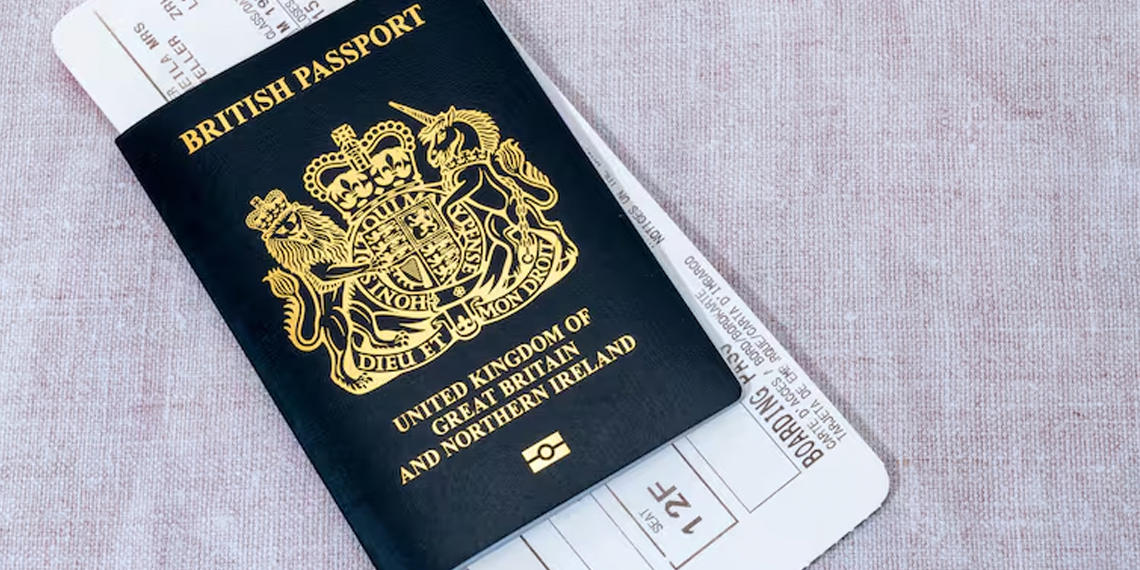
A Scottish family returning from a holiday in Spain was denied boarding on a flight back to the United Kingdom after new passport rules for British dual nationals came into effect under the government’s electronic travel authorisation system.
The case has raised concerns among travellers and immigration lawyers over confusion surrounding updated UK border rules introduced earlier this year, particularly for children and dual nationals who hold passports from more than one country.
The family’s 11-month-old daughter, Lily Rodgers, who was born in Scotland, was stopped from boarding despite being a British citizen because she travelled using an Austrian passport linked to her father’s nationality.
Under previous arrangements, British dual nationals were generally allowed to enter the UK using either their British passport or a foreign passport. However, the rules changed in February following the expansion of the UK’s new Electronic Travel Authorisation (ETA) system.
UK Tightens Entry Rules for Dual Nationals
The updated Home Office regulations now require British and Irish dual nationals travelling to the UK to use a valid British or Irish passport when entering the country. Alternatively, travellers using another nationality’s passport must also hold a certificate of entitlement confirming their right of abode in the UK.
The rule change was introduced as part of the government’s wider border security and immigration reforms linked to the rollout of the ETA system, which now applies to many non-visa visitors travelling to Britain.
Under the new system, travellers from countries that previously did not require visas must apply online for electronic permission before arrival. However, British dual nationals are not eligible to apply for an ETA because they are already considered British citizens.
This has created complications for some families travelling with children who hold foreign passports but have not yet obtained British passports.
Family Stopped While Boarding Flight Home
The Scottish family reportedly discovered the issue while attempting to board a return flight from Spain back to the UK.
Airport staff flagged the child’s Austrian passport during the check-in process, preventing the family from travelling because Lily did not hold a British passport or the additional documentation now required under the updated rules.
The family said they were unaware of the changes and had previously travelled without any issues using the child’s Austrian passport.
The incident highlights growing confusion surrounding the government’s revised travel requirements, particularly among British families with dual nationality children born in the UK.
Immigration experts have warned that many parents may not yet fully understand the implications of the new policy changes.
Electronic Travel Authorisation System Expands
The UK government has been gradually expanding the ETA programme as part of broader efforts to modernise border controls after Brexit.
The scheme is similar to systems already used by countries including the United States and Canada, requiring travellers to obtain digital permission before travel.
Government ministers argue the system strengthens national security by screening travellers before they arrive while also improving border management efficiency.
However, critics say the rapid rollout has created confusion, especially for dual nationals and families travelling with children who may hold passports from multiple countries.
Travel industry representatives have also expressed concern about inconsistent guidance and limited public awareness ahead of implementation.
Dual Nationals Face New Documentation Requirements
Under the updated regulations, British citizens holding dual nationality are expected to prove their British status when travelling to the UK.
Previously, many dual nationals routinely used non-British passports for international travel, particularly children who inherited nationality from one parent.
Now, travellers without a British passport may need to obtain a certificate of entitlement confirming their right to enter the UK without immigration restrictions.
Immigration lawyers say the change could affect thousands of families, particularly those with young children who have not yet applied for British passports.
Some experts have also warned that airlines may interpret the rules differently, increasing the risk of passengers being denied boarding abroad.
Growing Concerns Over Border Policy Changes
The case comes amid wider debate over the UK government’s tightening immigration and border policies.
Since Brexit, Britain has introduced several major changes affecting travel, visas and entry requirements. The ETA system is one of the most significant reforms to UK border controls in recent years.
The government says the measures are designed to strengthen national security and improve oversight of arrivals into the country.
However, critics argue the rules have become increasingly complicated and difficult for ordinary travellers to navigate.
Travel industry organisations have repeatedly called for clearer communication from the Home Office to prevent confusion among passengers and airlines.
Airlines Under Pressure to Enforce Rules
Airlines face financial penalties if they allow passengers to travel without the correct documentation, meaning carriers are often forced to apply immigration rules strictly before boarding.
As a result, passengers can be denied travel even if they believe they have a legal right to enter the UK.
Industry experts say this places significant responsibility on airline staff to interpret complex immigration requirements, sometimes leading to disputes or misunderstandings.
Families travelling with dual nationality children may now need to check documentation carefully before flying to avoid similar problems.
Pressure Builds for Clearer Guidance
The Scottish family’s experience is likely to increase calls for clearer public information about the passport rule changes.
Immigration advisers say many British citizens may still be unaware that dual nationals can no longer rely solely on foreign passports when entering the UK.
The issue may particularly affect mixed-nationality families, expatriates and children born in Britain who automatically qualify for more than one nationality.
As the ETA system continues expanding across additional countries, travel experts expect more cases of confusion unless guidance is simplified and better communicated.