
The UK government has formally begun assessing a potential bid to bring the Olympic and Paralympic Games back to Britain, with ministers exploring plans for the north of England to host the global sporting event in the 2040s.
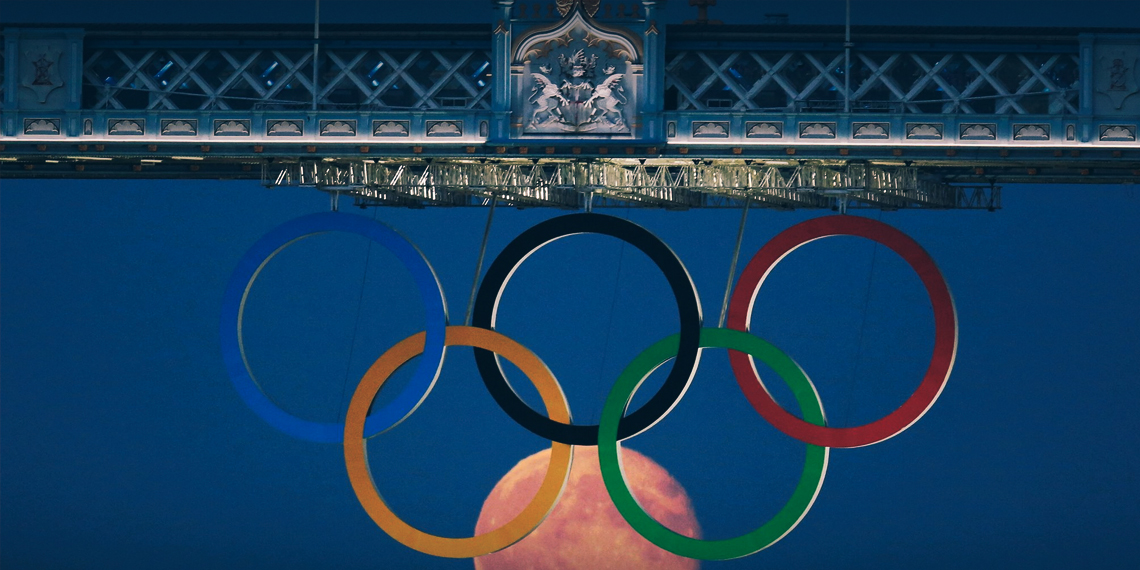
The move marks the first serious step towards a future British Olympic bid since the hugely successful 2012 Summer Olympics, which transformed parts of east London and delivered billions of pounds in investment, infrastructure upgrades and international exposure for the UK.
Ministers have commissioned UK Sport to examine the viability of a future bid, including whether the north of England could successfully host the Games and what long-term economic and social benefits such a project could bring to the region.
The assessment will review the likely costs of staging the Olympics, the potential return on investment, infrastructure requirements, public support and the overall chances of securing hosting rights from the International Olympic Committee.
If approved and later successful, the bid would see the Olympic Games return to Britain for the first time since 2012 and would mark the first occasion the event has been hosted outside London.
Government Looks to Boost Northern Economy Through Major Sporting Event
The proposal forms part of wider government plans aimed at driving economic growth and investment across northern England.
Ministers believe a future Olympic bid could help accelerate regeneration projects, improve transport links, create jobs and attract international tourism and business investment to cities across the region.
The plans have received strong backing from senior ministers with constituencies in northern England, including Lisa Nandy and Rachel Reeves.
Nandy, who represents Wigan, said the success of London 2012 demonstrated the transformative impact the Olympics can have on communities and national pride.
She argued that northern England has long delivered sporting talent, world-class venues and major international events but has historically been overlooked when it comes to hosting the Olympics.
“London 2012 showed what the Olympics can do for our country,” Nandy said.
“It inspired a generation through sport, attracted huge investment and showed the best of Britain to the world.”
She added that northern cities had repeatedly proven their ability to stage major sporting events and deserved the opportunity to host the Olympics.
“For too long we have been told the Olympics is simply too big and too important to be hosted in the North. Not any more,” she said.
“It’s time the Olympics came north and we showed what we can offer to the world.”
UK Sport to Assess Costs, Infrastructure and Bid Chances
The feasibility study ordered by the government will focus on several major areas before any formal bid process begins.
UK Sport will assess whether northern England has the infrastructure capacity required to host a multi-city Olympic Games, including stadiums, athlete villages, transport systems and accommodation.
The review will also examine the economic impact of hosting the Games and whether the investment would deliver long-term value for taxpayers and local communities.
Government officials are expected to study how previous Olympic host cities benefited economically and socially after staging the event.
The assessment will also consider whether Britain would face strong competition from rival international bids during the 2040s Olympic selection process.
No specific host cities have yet been confirmed, but regions including Greater Manchester, Leeds, Liverpool, Newcastle and Sheffield are expected to feature prominently in any future discussions.
North of England Increasingly Seen as Major Sporting Hub
Supporters of the proposal argue that northern England already possesses much of the sporting infrastructure required for an Olympic bid.
The region is home to major football stadiums, indoor arenas, cycling facilities and international-standard sports venues that regularly host global competitions.
Cities such as Manchester and Leeds have previously staged events including the Commonwealth Games, Rugby League World Cup matches, UEFA tournaments and world athletics competitions.
The government also hopes a future Olympic project could support wider regeneration initiatives already planned across northern England.
Rachel Reeves said Britain should use its sporting reputation to strengthen economic growth and revitalise communities.
“Britain’s sporting prowess is recognised and respected around the world,” Reeves said.
“It’s something we are determined to capitalise on to breathe life into our communities and build a stronger and more secure economy.”
She added that the government is supporting infrastructure and stadium redevelopment projects across northern England, including regeneration plans linked to Elland Road in Leeds.
Legacy of London 2012 Still Shapes Olympic Debate
Any future UK Olympic bid is likely to be heavily influenced by the legacy of the 2012 Summer Olympics.
London’s Games were widely regarded as one of the most successful modern Olympics, delivering large-scale urban regeneration in east London while boosting tourism, sport participation and international visibility for Britain.
The London Olympic Park continues to operate as a major sporting and cultural destination more than a decade after the Games concluded.
However, future bids also face growing global scrutiny over rising costs and concerns about financial risks associated with hosting mega sporting events.
Several recent Olympic host cities have struggled with budget overruns, underused venues and long-term debt.
As a result, the International Olympic Committee has increasingly encouraged countries to use existing facilities and adopt more sustainable, lower-cost hosting models.
Government officials believe northern England could benefit from this modern Olympic approach by using existing venues across multiple cities rather than constructing entirely new infrastructure.
Olympics Could Become Part of Wider UK Growth Strategy
The Olympic feasibility study also aligns with broader Labour government ambitions to reduce regional economic inequality and increase investment outside London and the south-east.
Ministers see major sporting events as an opportunity to create jobs, improve transport networks, encourage private investment and increase international tourism revenues.
Analysts say a successful Olympic bid could significantly raise the international profile of northern England while delivering billions of pounds in construction, hospitality and service-sector activity over several years.
The government has not yet committed to launching a formal Olympic bid, and the current process remains at the assessment stage.
However, the announcement signals growing political interest in bringing one of the world’s biggest sporting events back to Britain and potentially reshaping how the UK presents itself on the global stage.