
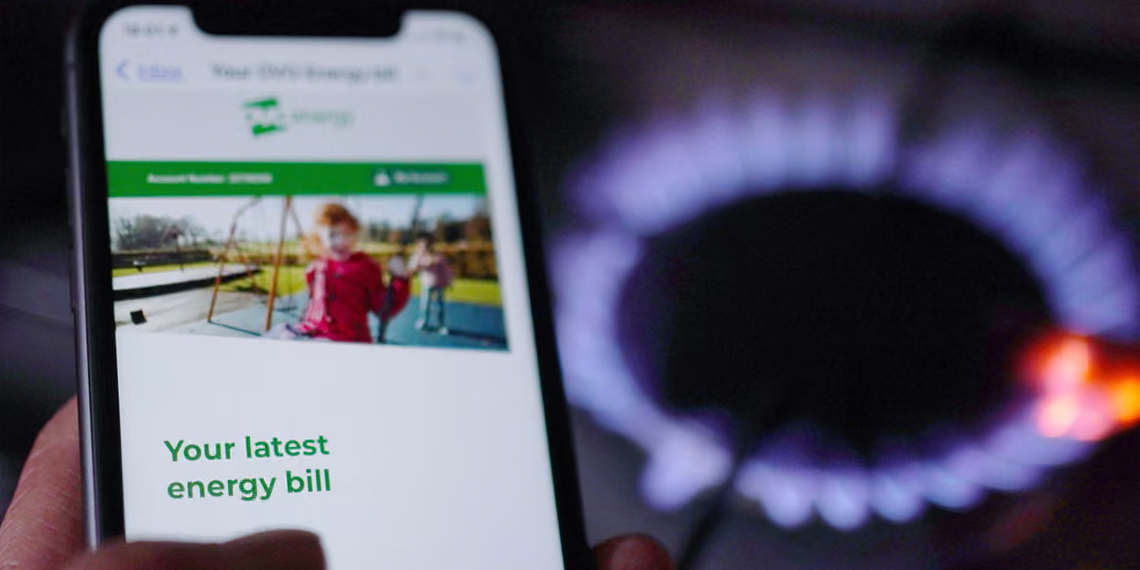
Millions of households across Great Britain are facing another sharp rise in energy bills this summer, with average annual costs forecast to increase by £209 to around £1,850.
New analysis by energy consultancy Cornwall Insight predicts the UK energy price cap will jump by nearly 13% from July under the next quarterly review by Ofgem.
The current price cap for April to June stands at £1,641 a year for a typical household, meaning the expected increase would place further pressure on families already struggling with the cost of living crisis.
Experts said the rise is mainly being driven by soaring wholesale gas prices following disruption to global energy supplies caused by the Iran conflict earlier this year.
Gas market prices surged after Tehran effectively disrupted Gulf energy exports by closing the Strait of Hormuz in response to US-Israeli military strikes on Iran.
Although a temporary ceasefire later helped ease prices slightly, energy costs remain significantly higher than normal.
Cornwall Insight previously warned that the energy cap could rise to almost £2,000 annually when market prices peaked in March.
The consultancy said households are now likely to face continued financial pressure as costs for essentials such as council tax, food and water bills also continue to rise.
Ofgem sets the maximum price suppliers can charge households for gas and electricity based on wholesale market costs and the expense of supplying energy.
Industry experts warned that the bigger concern may come later in the year when colder weather increases household energy usage.
Cornwall Insight said that even if the Iran conflict ended immediately, damage to infrastructure and ongoing supply disruption mean prices are unlikely to return to April levels by autumn.
Craig Lowrey, principal consultant at Cornwall Insight, said the government may soon need to consider extra financial support for vulnerable households.
“If the cap stays at a similar level as July, that is when the government will need to think seriously about targeted support for the most vulnerable,” he said.
Lowrey also argued that Britain must invest more heavily in renewable energy to reduce exposure to international crises.
“Building out our renewable capacity is the only real path to bills that aren’t as exposed to events thousands of miles away,” he said.
Environmental campaigners also warned that continued reliance on fossil fuels leaves UK households vulnerable to global energy shocks.
Danny Gross, energy campaigner at Friends of the Earth, said: “Yet another rise in energy bills will be a kick in the teeth for the millions of people already struggling with the cost of living.”
“If we’re to break free from our dependence on fossil fuels, then we must rapidly roll out clean, homegrown renewable energy – which is now cheaper than oil and gas – alongside insulating homes.”
Consumer experts have meanwhile encouraged households to consider fixed-rate energy tariffs, with some deals currently cheaper than the forecast July price cap.
Switching services said locking into a fixed tariff now could help some families reduce both summer and winter energy costs if prices remain elevated later this year.