
A record number of children and young people in Scotland are being turned away from specialist NHS mental health services, raising concerns about growing gaps in support for those struggling with their wellbeing.
New figures released by Public Health Scotland (PHS) reveal that 1,274 referrals to Child and Adolescent Mental Health Services (CAMHS) were rejected in March alone, marking the highest monthly total on record. The annual number of rejected referrals also reached its highest level ever in 2025.
Mental health charities and medical professionals have warned that increasing rejection rates could leave vulnerable young people without the support they need, potentially pushing some into crisis.
Mental Wellbeing Minister Maree Todd said specialist CAMHS treatment is designed for a relatively small number of children facing severe mental health difficulties. She highlighted that more than £80 million has been invested in community-based mental health services across Scotland since 2020.
However, campaigners argue that many young people who are not accepted by CAMHS struggle to access suitable alternative support.
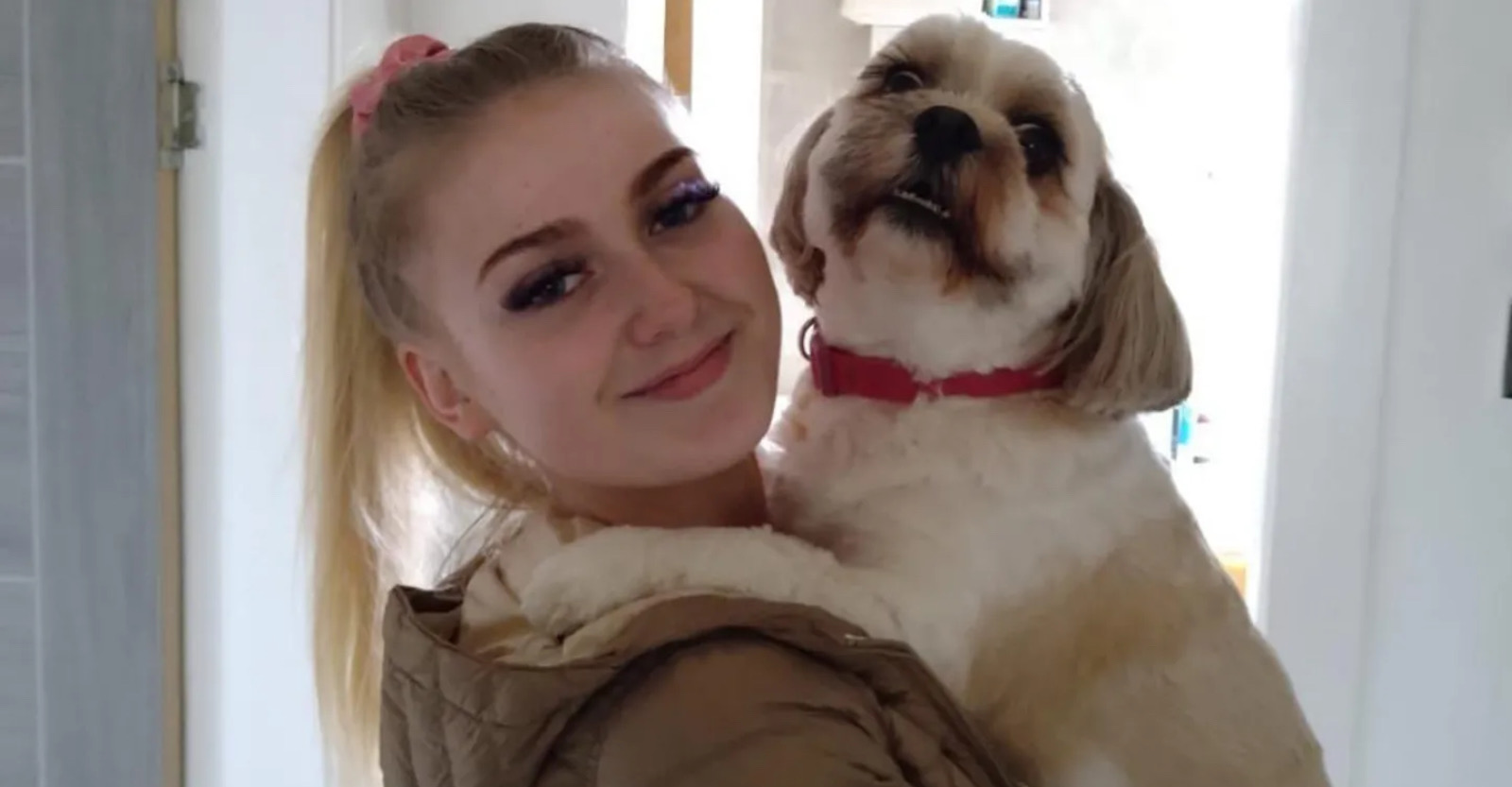
One of them is 20-year-old Élise Graham, whose referral to specialist mental health services was rejected when she was 14. After experiencing emotional difficulties following her parents’ divorce, she eventually sought help through a teacher, who referred her to CAMHS.
The referral was declined due to what was described as insufficient evidence, leaving her devastated.
She recalled feeling overwhelmed by anxiety, struggling to get out of bed, attend school and cope with daily life. Although she later received support from her GP and attended several counselling sessions at school, she felt the help available was fragmented and inconsistent.
Today, Élise works as an ambassador for the charity Scottish Action for Mental Health (SAMH) and hopes that sharing her experience will encourage improvements in mental health services for young people across Scotland.
Despite progress in reducing waiting times, concerns remain over access to care. In March last year, the NHS met the Scottish Government’s target for the first time, ensuring that 90 per cent of children received an initial CAMHS assessment within 18 weeks.
Experts have welcomed this achievement but stress that waiting-time targets do not reflect the growing number of referrals being rejected.
Dr Laura Sutherland, vice-chair of the CAMHS Faculty at the Royal College of Psychiatrists in Scotland, said services are facing increasing pressure from more complex cases involving conditions such as eating disorders, psychosis and severe depression.
She also emphasised the importance of community support services, including counselling and anti-bullying programmes, which can help prevent mental health issues from escalating and reduce the need for specialist intervention.
An audit commissioned by the Scottish Government in 2018 recommended that, where referrals are rejected, young people should receive personalised guidance towards alternative sources of support.
However, rejection rates have continued to climb. Between January and March this year, 37 per cent of CAMHS referrals were not accepted.
Data shows that while the number of referrals received and accepted by CAMHS has fallen over the past four years, the number of rejected referrals has steadily increased, reaching a record annual total of 11,067 in 2025.
Dr Katie Cathrow, vice-chair of the Royal College of General Practitioners Scotland, said the figures highlight significant unmet mental health needs among young people.
She called for greater investment in mental health services and a broader range of community-based support options for those who do not meet CAMHS criteria.
According to Dr Cathrow, having a referral rejected can intensify feelings of hopelessness and make young people feel unworthy of help, even when that is not the intention of the system.
Responding to the latest figures, Maree Todd pointed out that almost 80,000 children, young people and family members accessed community mental health support services during the 2024-25 period.
She also highlighted significant improvements in waiting times, with the longest waits now at their lowest level since 2015, while acknowledging that further progress is still needed.
Scottish Labour’s mental health spokesperson Joe Long described the figures as deeply concerning and called for an investigation into why so many referrals are being rejected.
He urged ministers to ensure that vulnerable young people do not fall through the cracks at a time when demand for mental health support continues to rise across Scotland.