
The chief executive of British Airways has warned that high aviation taxes and expensive rail travel are discouraging tourists from visiting the UK and limiting economic growth.
Speaking at an international aviation summit, Sean Doyle said Britain is becoming less competitive than other major tourist destinations due to the rising cost of travelling to and around the country.
Doyle argued that the UK is falling behind countries such as France, Germany and Japan in attracting international visitors, despite the government’s ambition to boost tourism.
The warning comes after Air Passenger Duty (APD) increased by 15% in April, raising charges to £8 per passenger on domestic flights, £15 on European routes and as much as £253 for premium economy travellers on long-haul services.
Doyle said: “What’s the biggest challenge in the country at the minute? It’s growth. And what should policy be doing? It should be unblocking growth.”
“If you want to promote tourism and aviation … the last thing you do to encourage that expansion is put the cost of it up.”
The UK government has set a target of attracting 50 million international visitors annually by 2030, up from around 40 million today.
However, Doyle questioned whether that goal can be achieved without making travel more affordable.
“Unless we address the affordability issue we’re not going to get there,” he said.
“If you look at France and Spain, they’ve absolutely shot past us. A big part of it is cost.”
He also highlighted concerns about domestic travel, arguing that fragmented rail services and expensive ticket prices make it harder for tourists to explore areas beyond major cities.
“The other thing is the lack of options to travel around the UK, because of things like rail networks which are fragmented, the lack of passes – the lack of a kind of curation of tourists is a big issue,” Doyle said.
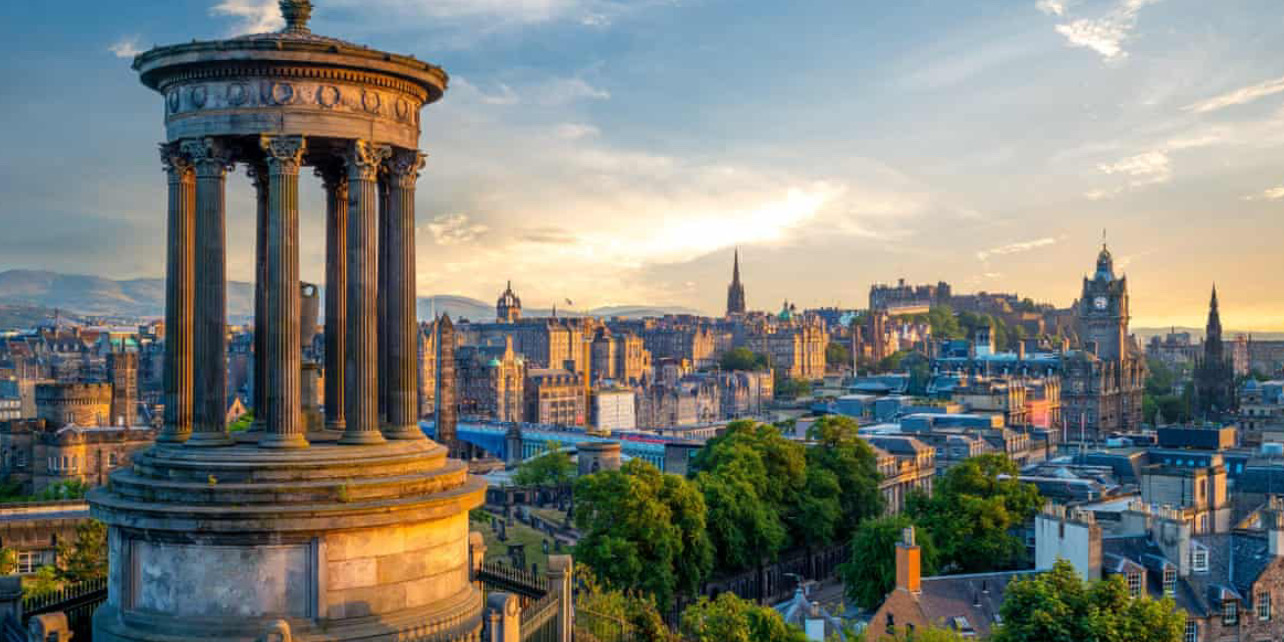
“We end up with tourism concentrated in places like London and Edinburgh, but the rest of the economy doesn’t get the benefit of it.”
“I think air passenger duty is a part of that – for a family of five coming into the country and travelling, it’s a huge penalty compared to what you pay in Europe.”
Doyle also expressed concerns about plans for a third runway at Heathrow Airport, warning that expansion could backfire if airlines are forced to shoulder significantly higher costs.
The airport’s preferred expansion proposal is estimated to cost £33 billion, with airlines including British Airways calling for a more affordable alternative.
“There’s an ambition on infrastructure expansion in Heathrow, but if the cost is too high, the other side of that growth, which is airlines coming in with planes and investing their capital into the sector, that may not come,” Doyle said.
Industry leaders have repeatedly argued that reducing travel costs and improving transport connectivity would help spread tourism benefits across more regions of the UK while supporting wider economic growth.