
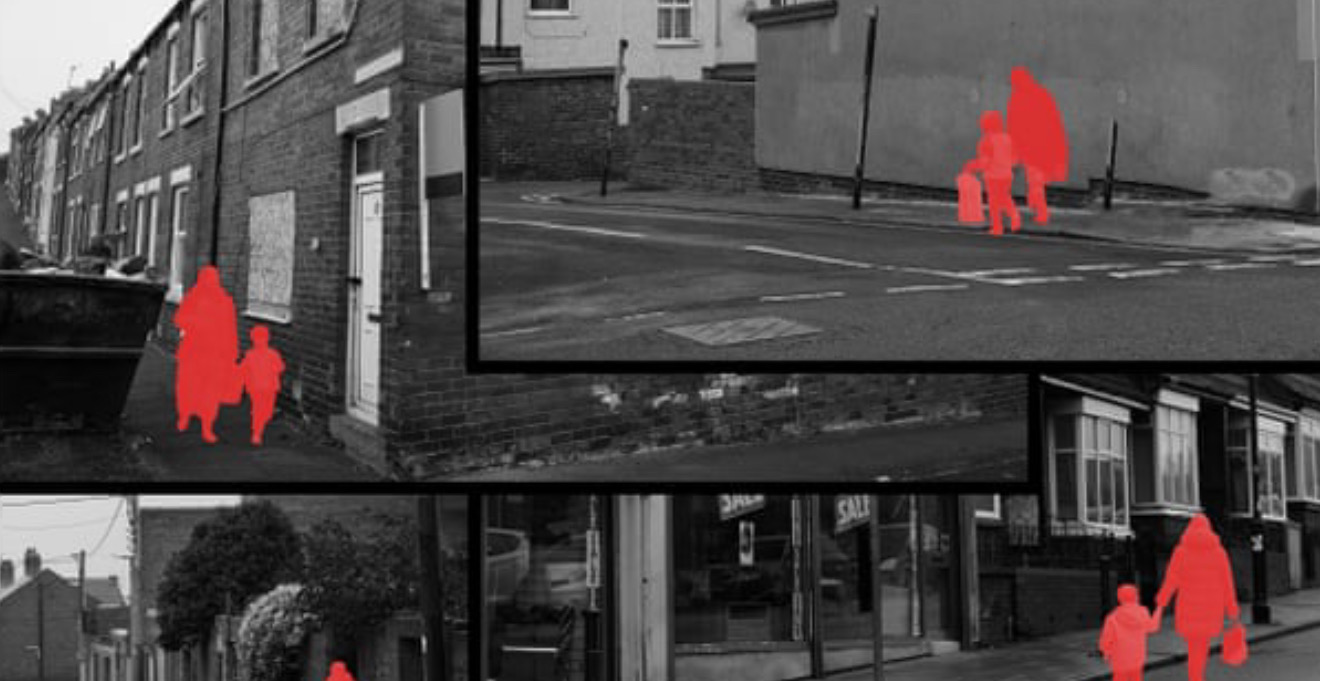
London councils are facing mounting criticism after allegations that vulnerable homeless families, including abuse survivors and refugees, are being unlawfully relocated hundreds of miles away from the capital as authorities struggle to cope with the worsening UK housing crisis.
An investigation has revealed that increasing numbers of homeless households are being transferred from London boroughs to some of England’s most deprived towns and cities, often with little notice, limited support, and minimal understanding of the long-term social consequences. Critics have described the practice as “inhumane,” warning that it is placing enormous pressure on already stretched northern communities while isolating vulnerable families from their support networks.
The controversy has intensified amid rising homelessness rates, severe shortages in affordable housing, and growing concerns that some councils may be circumventing legal obligations under housing legislation.
London Housing Crisis Driving Out-of-Area Relocations
The number of homeless households relocated outside London has doubled over the past two years, according to official figures and freedom of information requests. Families have reportedly been placed in sparsely furnished accommodation in towns including Bolton, Blackpool, Hartlepool, and County Durham.
Under the Housing Act, councils are legally required, “so far as reasonably practicable,” to secure accommodation within their own borough. If accommodation must be provided elsewhere, councils are expected to place households as close as possible to their original community and formally notify the receiving local authority.
However, housing charities, lawyers, MPs, and local council leaders argue that some London boroughs are routinely failing to comply with these obligations.
The issue has become increasingly acute in London, where soaring private rents continue to outpace housing benefit levels. A 2023 report found that only 2% of private rental properties in London were affordable for tenants dependent on housing support, leaving councils scrambling for temporary accommodation options.
Vulnerable Families Allegedly Targeted
Charities working with homeless and refugee communities have accused councils of disproportionately targeting highly vulnerable individuals who may lack the resources, language skills, or legal knowledge needed to challenge relocation decisions.
Among the most concerning cases highlighted was that of an Albanian woman who had fled a sex trafficking gang in Manchester. Despite her vulnerability and responsibility for two young children, she was instructed by Ealing Council to relocate approximately 260 miles away to County Durham.
When the woman raised concerns about access to support services, the council reportedly provided details for two organisations that were mistakenly located not in England, but in Durham, North Carolina in the United States and Durham, Ontario in Canada.
The woman later won a High Court case against the council. Reflecting on the ordeal, she said she felt abandoned and ignored during one of the most difficult periods of her life.
Campaigners argue that such cases reveal broader systemic failures within the housing system and expose vulnerable families to further instability, trauma, and social exclusion.
MPs Warn of Social Division in Northern Communities
Political leaders in northern England have expressed alarm over the impact of large-scale relocations on local housing services and community cohesion.
Jonathan Brash, Labour MP for Hartlepool, described the situation as a “disgrace,” accusing London councils of effectively “dumping” their housing crisis onto northern towns already struggling with poverty, social deprivation, and long waiting lists for social housing.
Brash warned that the arrival of relocated families without proper coordination or support was intensifying tensions in communities facing their own housing shortages and economic pressures.
He also described incidents in which families were allegedly transported overnight in taxis with few possessions and no local connections, arriving in unfamiliar areas without adequate preparation or support from local authorities.
Grahame Morris, Labour MP for Easington in County Durham, similarly accused some boroughs of using coercive practices against homeless households and called for sanctions against councils found to be acting unlawfully.
Private Companies Under Scrutiny
The investigation has also drawn attention to intermediary firms contracted by councils to source and manage accommodation outside London.
One company, Reloc8, has emerged at the centre of growing scrutiny after signing contracts worth millions of pounds with London boroughs seeking cheaper housing solutions.
Croydon Council reportedly signed a £1 million agreement with Reloc8 last year, while Enfield Council has paid the company more than £894,000 since 2023. According to official data, 94% of Enfield’s housing offers to homeless households were outside London, with a significant proportion located in north-east England.
Reloc8 states that it has relocated more than 400 homeless households from London. Critics, however, argue that the company’s business model prioritises cost-cutting over welfare and community integration.
Concerns have also been raised over the standard of accommodation provided. The company’s promotional material states that landlords are only required to provide basic kitchen appliances and, in some cases, may also be asked to supply beds.
Reloc8 has defended its practices, insisting all properties comply with regulations and claiming that many relocated households have successfully rebuilt their lives.
Growing Pressure on Government to Reform Housing Policy
Housing campaigners say the growing reliance on out-of-area placements highlights the scale of Britain’s housing emergency and the chronic shortage of social housing across the country.
Sophie Earnshaw, a solicitor at Shelter, stressed that councils have a clear legal duty to house homeless families within their communities wherever possible.
She warned that forcing families to move hundreds of miles away disrupts education, healthcare access, employment opportunities, and support networks, while placing further emotional strain on vulnerable individuals.
Meanwhile, London Councils — the body representing the capital’s boroughs — acknowledged the severe pressures facing local authorities and urged the government to take stronger action to address what it described as an “unsustainable” homelessness crisis.
The organisation said many boroughs were operating under extreme financial strain as demand for temporary accommodation continues to rise sharply.
Housing experts argue that without substantial investment in affordable housing, social rented homes, and homelessness prevention, councils will remain trapped in a cycle of emergency placements and escalating social tensions.
The issue has become increasingly politically sensitive as homelessness figures continue to rise nationwide, with campaigners warning that the current system is placing both vulnerable families and struggling communities under unsustainable pressure.