
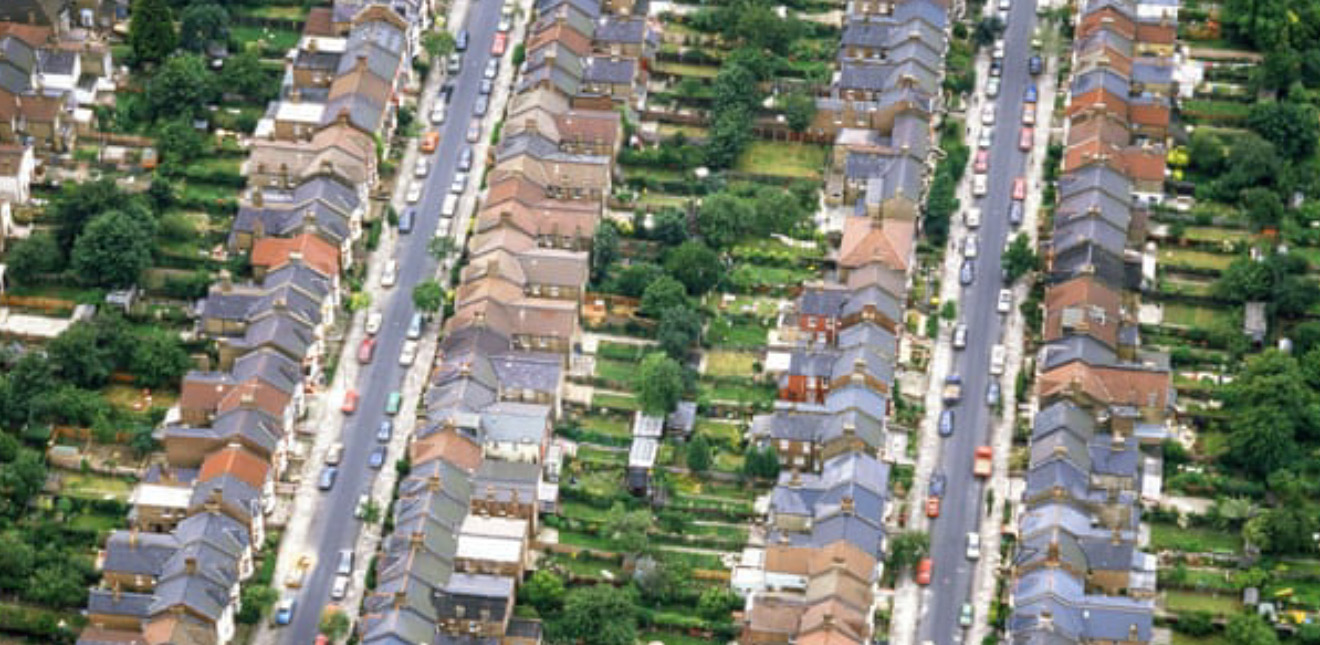
Millions of homes across London, Essex and Kent could face an increased risk of subsidence in the coming decades as climate change brings hotter, drier summers to the UK, according to new research from the British Geological Survey (BGS).
The study warns that rising temperatures and prolonged dry spells are causing the ground beneath properties to shrink, potentially damaging foundations and increasing the likelihood of structural movement. Scientists have identified parts of south-east England as among the areas most vulnerable to climate-related subsidence.
Researchers combined geological data with long-term climate projections to assess where shrinking and swelling soils are most likely to affect homes in the future. The findings suggest that large parts of London, Essex, Kent and a stretch of eastern England extending from Oxfordshire to The Wash could experience significantly higher levels of subsidence risk by 2070.
Anna Harrison, a scientist at the British Geological Survey, said the capital faces a particularly serious challenge because it combines highly vulnerable clay-rich soils with projected increases in temperature and reductions in summer rainfall.
She explained that many properties currently have foundations capable of coping with existing ground conditions, but future climate changes may lead to greater soil movement and increased pressure on buildings.
Subsidence occurs when the ground beneath a property shifts or sinks, causing foundations to move. One of the most common causes is the shrinking of clay soils during prolonged periods of dry weather.
Homeowners may notice warning signs including diagonal cracks around doors and windows, sticking doors, sloping floors or visible movement in walls.
The issue can have serious financial consequences. Properties affected by subsidence often lose value, while mortgage lenders may be reluctant to approve loans until repairs have been completed. In severe cases, homes may require costly underpinning work, land stabilisation projects or replacement of damaged utility pipes.
The warning comes after the UK experienced its warmest spring on record in 2025, alongside the driest spring for more than half a century. During the first six months of that year alone, insurers recorded £153 million in subsidence-related claims.
Scientists believe such weather patterns are likely to become increasingly common as global temperatures continue to rise.
According to the BGS analysis, around 500,000 properties across Great Britain could face subsidence risks by 2070 under a low-emissions scenario consistent with international climate targets.
However, under a medium-emissions scenario, which more closely reflects current global trends, the number of affected properties could rise to more than 1.8 million.
Some of London’s most densely populated boroughs, including Camden, Islington and Barnet, have been identified as particularly vulnerable.
Under the medium-emissions forecast, more than a quarter of properties across the capital could be exposed to subsidence-related risks by 2070.
Kent and other parts of south-east England are also expected to face increasing challenges as dry summers become more frequent and intense.
Experts say the combination of rising temperatures, reduced soil moisture and continued urban development means authorities, homeowners and insurers may need to adopt new mitigation measures to reduce future damage.
With climate projections indicating a future of hotter, drier summers and warmer, wetter winters, researchers warn that subsidence is likely to become an increasingly significant issue for homeowners across London, Essex, Kent and other parts of England in the decades ahead.