
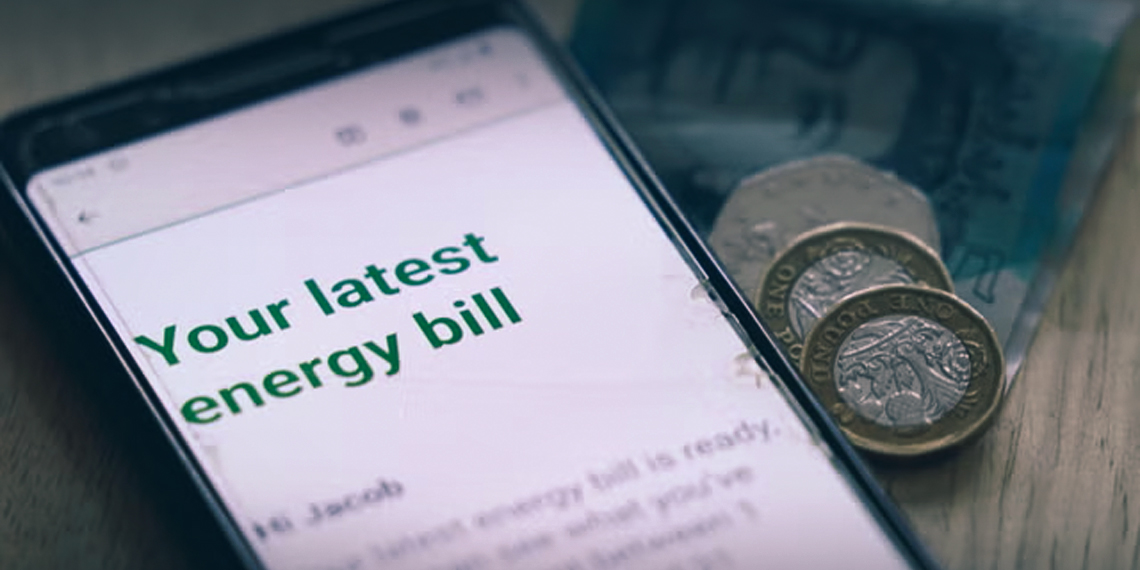
The UK’s energy affordability crisis is intensifying, with millions of households either already in debt to their energy suppliers or increasingly concerned about falling behind on payments as another substantial increase in household energy costs approaches.
New research commissioned by the End Fuel Poverty Coalition paints a troubling picture of financial hardship across Britain, highlighting the mounting pressure facing consumers ahead of a 13 per cent increase in the energy price cap scheduled to take effect in July. The findings suggest that rising energy costs continue to place a significant burden on households, particularly among families with children, disabled individuals, and lower-income groups.
Millions Facing Energy Debt And Financial Insecurity
According to the survey, approximately one-third of UK adults are either currently in arrears with their energy provider or fear they may soon fall behind on payments. The situation is particularly acute among households with additional financial pressures.
Among parents with children under the age of 18, nearly 45 per cent reported concerns about energy debt or difficulties meeting future payments. Similarly, 35 per cent of disabled individuals indicated they were struggling with energy affordability or worried about entering arrears.
The survey further revealed that around nine per cent of respondents are already behind on their energy bills, while an additional 22 per cent expressed concern that they may soon be unable to keep pace with rising costs. Taken together, this equates to roughly 12 million people across the UK experiencing some degree of financial anxiety related to household energy expenses.
Average Energy Debt Reaches Significant Levels
For those already in debt to their energy supplier, the financial burden has become increasingly substantial. The median amount owed now stands at approximately £750 per household, underscoring the scale of the challenge facing consumers amid persistently elevated energy prices.
More concerning, however, is the extent to which households are turning to alternative and potentially harmful forms of borrowing to manage their bills. The research found that 13 per cent of respondents who were either in debt or worried about missing payments owed money to individuals or lenders who made them feel intimidated or fearful.
Among households already in arrears, that figure rises dramatically to nearly one-quarter of respondents, highlighting the growing prevalence of high-risk borrowing and financial vulnerability.
Households Forced To Make Difficult Sacrifices
The survey illustrates the extent to which households are modifying their daily lives in an effort to manage rising energy costs.
Approximately 32 per cent of those facing energy debt reported reducing their energy consumption by limiting heating usage, shortening showers, or restricting other household energy activities. Meanwhile, a quarter of respondents said they deliberately kept their homes at uncomfortable temperatures to lower their utility bills.
The financial strain extends beyond energy consumption itself. More than one in five respondents admitted missing rent or mortgage payments in order to cope with energy costs, while an equal proportion reported skipping meals to free up money for household bills.
Food insecurity has also emerged as a growing consequence of the crisis. Nearly 18 per cent of those surveyed indicated that they had relied on foodbanks or emergency food support services to help manage their financial obligations.
These findings suggest that rising energy bills are increasingly affecting broader household wellbeing, forcing difficult trade-offs between heating, housing, and food security.
Concerns Over Supplier Support And Debt Assistance
The End Fuel Poverty Coalition also examined the effectiveness of support provided by energy suppliers to struggling customers. While some consumers reported receiving assistance, the overall picture remains mixed.
Only 15 per cent of those in arrears had been referred to hardship funds designed to provide emergency financial support. A similar proportion had entered formal repayment arrangements with their supplier.
However, 13 per cent of respondents stated that they had received no communication whatsoever from their energy provider during the previous 12 months despite experiencing payment difficulties.
Perhaps most strikingly, fewer than one in five customers in arrears felt they had been treated fairly by their supplier, while just eight per cent reported being directed toward professional debt advice services.
Campaigners argue that these figures point to significant shortcomings in the support mechanisms currently available to financially vulnerable households.
Calls For Urgent Government Intervention
Energy poverty campaigners have renewed calls for immediate government action to address the growing debt burden facing households.
Representatives from the End Fuel Poverty Coalition argue that the current situation reflects a broader affordability crisis rather than an unwillingness among consumers to pay their bills. They contend that most affected households are facing genuine financial hardship and lack the resources necessary to absorb continued increases in energy costs.
Advocates are urging ministers to accelerate the implementation of a long-awaited energy debt relief programme while expanding access to independent debt counselling and financial support services.
At the same time, experts stress that debt relief alone will not provide a long-term solution. Energy efficiency improvements, home insulation programmes, and efforts to reduce dependence on costly fossil fuels are increasingly viewed as essential components of a sustainable strategy to lower household energy expenditure.
Long-Term Solutions Needed To Address Fuel Poverty
Energy sector experts warn that without structural reforms, the UK risks remaining trapped in a cycle of recurring energy affordability crises.
Investment in energy-efficient housing, modern heating systems, and cleaner energy infrastructure could significantly reduce household consumption levels while protecting consumers from future price shocks.
As the July price cap increase approaches, concerns are growing that millions of households will face even greater financial pressure during the months ahead. For many families already struggling with rising living costs, the latest increase threatens to deepen existing hardship and further expand the UK’s growing energy debt crisis.
With fuel poverty continuing to affect communities across the country, policymakers face mounting pressure to deliver both immediate relief and long-term reforms capable of restoring affordability and financial stability for households nationwide.