
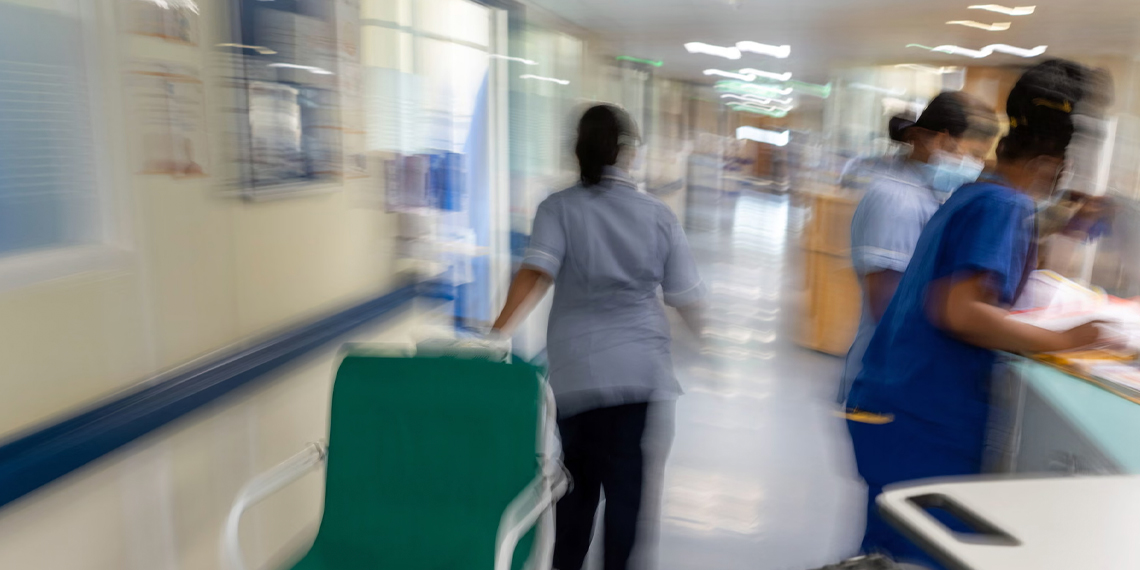
Hospitals across England have declared critical incidents as extreme temperatures place growing pressure on NHS services, causing medical equipment failures, IT disruptions and rising patient admissions.
Doctors have warned that the health service is struggling to cope with the impact of the heatwave, with essential cancer treatment machines, MRI scanners and cooling systems breaking down amid soaring temperatures.
Healthcare staff say emergency departments have experienced an increase in patients suffering from dehydration, heat exhaustion and collapses, particularly among older people. The surge in admissions has intensified overcrowding in hospitals already operating under significant pressure.
One doctor described conditions for inpatients as increasingly difficult, noting that many hospital wards lack air conditioning, leaving both patients and staff exposed to uncomfortable and potentially dangerous temperatures.
Another medic reported temperatures reaching 35C in a geriatric ward, while some air-conditioning units in other areas had to be switched off to avoid damage caused by prolonged exposure to extreme heat.
Doctors also raised concerns about the impact on NHS staff, many of whom have struggled with sleep disruption during the heatwave while continuing to provide care in overheated wards, clinics and corridors.
Several NHS trusts have declared critical incidents directly linked to the hot weather. One hospital reportedly experienced failures in multiple departments, including laboratories and two linear accelerator machines used to deliver radiotherapy treatment to cancer patients.
The same trust also encountered serious IT difficulties after servers overheated, prompting staff to switch off non-essential computers, electrical equipment and lighting to reduce the strain on systems.
In Portsmouth, the Queen Alexandra Hospital declared a critical incident after cooling units malfunctioned, causing elevated temperatures throughout the site. The breakdown disrupted digital services and affected operating theatres, cardiac catheter laboratories and diagnostic imaging facilities.
Mark Orchard, deputy chief executive of Portsmouth Hospitals University NHS Trust, said the combination of exceptionally high temperatures and failures in cooling infrastructure had led to widespread disruption. Some planned procedures and outpatient appointments were postponed, while patients attending appointments were advised to bring water due to the excessive heat inside the hospital.
In Norfolk, hundreds of appointments were cancelled after MRI scanners stopped functioning because cooling systems were unable to cope with the heat and humidity.
Norfolk and Norwich University Hospitals NHS Foundation Trust confirmed it had declared a critical incident, stating that none of its MRI scanners across Norwich sites, including its main hospital and community diagnostic centre, were operational.
Medical leaders say the situation highlights the NHS’s vulnerability to increasingly frequent periods of extreme weather.
Dr Hilary Williams, Clinical Vice-President of the Royal College of Physicians, warned that the latest heatwave had exposed significant shortcomings in the health service’s preparedness for rising temperatures.
She said hospitals were reporting growing numbers of older patients arriving after collapsing or suffering from dehydration, while overcrowding and failures involving laboratories, dialysis services and medical equipment were creating additional challenges for patient care.
Williams also stressed that supporting healthcare workers during heatwaves remains a major concern, noting that solutions such as portable fans are not always suitable because of fire risks around oxygen equipment and the potential to spread infections.
As climate experts predict hotter summers becoming more common, healthcare professionals are increasingly calling for long-term investment to modernise NHS buildings and improve their resilience against extreme weather conditions.