
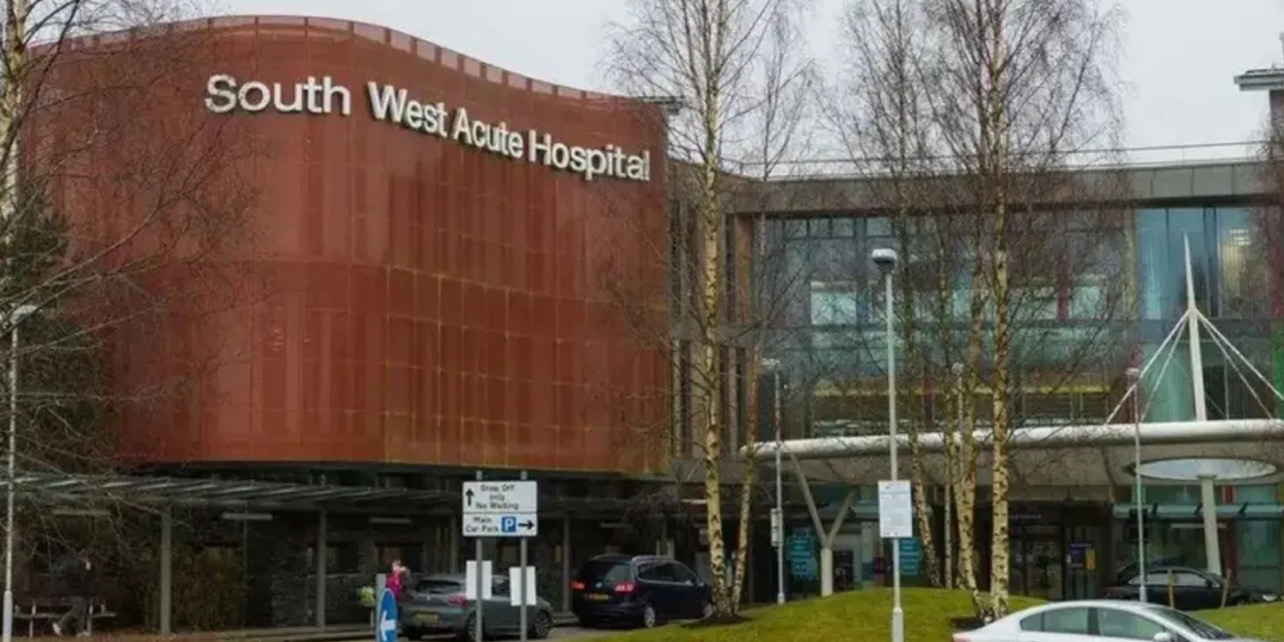
A health watchdog has raised serious concerns about the effectiveness and safety of patient care arrangements introduced after the temporary suspension of emergency general surgery services at South West Acute Hospital (SWAH) in Enniskillen. Staff working within the healthcare system have warned that the current arrangements are “not safe” and “not effective”, highlighting ongoing operational challenges that continue to affect patients, ambulance services and frontline healthcare professionals.
The findings were published in a report by the Regulation and Quality Improvement Authority (RQIA) following a series of unannounced inspections carried out at SWAH between November 2025 and February 2026. The inspection examined how revised emergency care pathways have functioned since emergency general surgery services were temporarily suspended in late 2022.
Inspectors identified widespread concerns relating to patient transfers, prolonged ambulance waiting times, strained working relationships between hospital staff and ambulance crews, and persistent uncertainty regarding clinical responsibility for patients awaiting transfer to other hospitals.
Temporary Service Changes Continue to Draw Scrutiny
Emergency general surgery services at South West Acute Hospital were temporarily suspended in December 2022 after the Western Health and Social Care Trust experienced significant difficulties recruiting sufficient surgical staff.
Since then, many patients requiring emergency surgical assessment or treatment have been transferred to Altnagelvin Area Hospital in Londonderry, a journey that can take up to 90 minutes depending on location and road conditions.
At the time, the Western Trust maintained that suspending emergency surgery was necessary to safeguard patient safety while addressing workforce shortages. However, the latest RQIA inspection suggests that the alternative care model continues to present significant operational and clinical challenges.
The report evaluated how these revised pathways have affected both patients and healthcare staff over the past several years.
Staff Report Ongoing Operational Difficulties
One of the report’s most significant findings relates to concerns expressed by frontline healthcare workers regarding the sustainability of the current arrangements.
Inspectors found evidence of ongoing communication difficulties between emergency department staff and the Northern Ireland Ambulance Service (NIAS), alongside continuing uncertainty over which clinical team holds responsibility for patients while they await transfer to another hospital.
The report also highlighted delays in arranging patient transfers, which staff believe place additional pressure on already stretched emergency services.
According to the inspection findings, relationships between hospital teams and ambulance crews have become increasingly strained since the new care pathways were introduced.
RQIA concluded that considerable work remains necessary to rebuild trust and strengthen collaboration between the organisations involved in delivering emergency patient care.
Ambulance Pressures Affect Rural Communities
Ambulance personnel participating in the inspection described the transfer arrangements as placing additional demands on emergency resources across the region.
Staff warned that frequent long-distance transfers reduce ambulance availability within rural communities, potentially delaying emergency responses elsewhere.
The report noted that no additional ambulance resources had been commissioned specifically to support the increased number of patient transfers resulting from the suspension of emergency surgery services.
Similarly, inspectors found no evidence that additional surgical bed capacity had been introduced at Altnagelvin Area Hospital despite the increased volume of transferred patients.
Healthcare professionals suggested that these resource limitations continue to create operational bottlenecks across the wider healthcare system.
Frontline Staff Face Growing Pressure
The report also revealed the emotional and professional strain experienced by frontline healthcare workers.
Several staff members described finding themselves “constantly in conflict” with patients frustrated by lengthy waiting times and the requirement to travel significant distances for treatment.
Others reported regularly experiencing verbal abuse from distressed patients and concerned relatives who questioned why emergency surgical services were no longer available locally.
Inspectors noted that these challenging interactions have become a routine aspect of daily work for many healthcare professionals operating within the revised system.
The findings suggest that staff morale has been affected not only by operational pressures but also by the ongoing need to explain complex transfer arrangements to anxious patients and families.
Patient Experiences Remain Mixed
Patient feedback collected during the inspection presented a varied picture of the current service.
Many patients praised healthcare professionals for their compassion, dedication and professionalism despite difficult circumstances. Staff were frequently commended for their efforts to deliver high-quality care while working within a challenging system.
However, other patients described lengthy waiting times, overcrowded emergency departments and instances where treatment was delivered in hospital corridors due to capacity pressures.
Some patients and family members also reported feeling unsafe while waiting for treatment at Altnagelvin Area Hospital’s emergency department, reflecting broader concerns regarding demand on emergency healthcare services.
The inspection concluded that while individual staff continue to demonstrate professionalism, systemic issues continue to affect overall patient experience.
Watchdog Identifies Areas Requiring Improvement
The RQIA report identified four priority areas requiring further improvement to strengthen patient safety and service delivery.
These include improving the consistent application of patient pathways, strengthening communication and staff engagement, enhancing monitoring of patient outcomes and reinforcing risk management processes across the service.
At the same time, inspectors acknowledged that some positive progress has been achieved since the temporary arrangements were introduced.
Improvements highlighted within the report include more effective direct admissions to surgical wards and continued recruitment efforts aimed at strengthening surgical staffing levels.
Nevertheless, RQIA concluded that additional measures will be required to ensure these improvements are sustained and that patient safety continues to improve over the longer term.
Campaigners Renew Calls for Service Restoration
The publication of the report has prompted renewed calls from campaign group Save Our Acute Services (SOAS) for the restoration of emergency general surgery at South West Acute Hospital.
Campaign representatives argue that the inspection findings expose a widening gap between assurances provided by senior management and the experiences reported by frontline healthcare professionals.
SOAS spokesperson Donal O’Cofaigh said the report demonstrates continuing weaknesses within the temporary arrangements introduced following the suspension of surgical services.
The campaign group has urged Northern Ireland Health Minister Mike Nesbitt to move beyond temporary solutions by funding and commissioning a permanent emergency surgical service for SWAH.
Campaigners argue that restoring local surgical provision would improve patient safety, reduce ambulance pressures and provide greater confidence for communities across the region.
Western Trust Commits to Further Improvements
Responding to the inspection findings, Western Trust Chief Executive Karen Hargan welcomed the report and acknowledged both the progress already achieved and the recommendations for further improvement.
She said the Trust remains committed to providing safe, effective and sustainable healthcare services while continuing to work closely with RQIA, staff and partner organisations to strengthen patient care.
The Trust stated that it recognises the significant progress made since the temporary service changes were introduced and pledged to implement the watchdog’s recommendations to ensure continuous improvement.
As healthcare leaders, staff and campaigners continue discussions over the future of emergency surgery services in Enniskillen, the RQIA report serves as a reminder that maintaining patient safety requires not only clinical expertise but also robust leadership, adequate resources, effective communication and sustained collaboration across the healthcare system.