
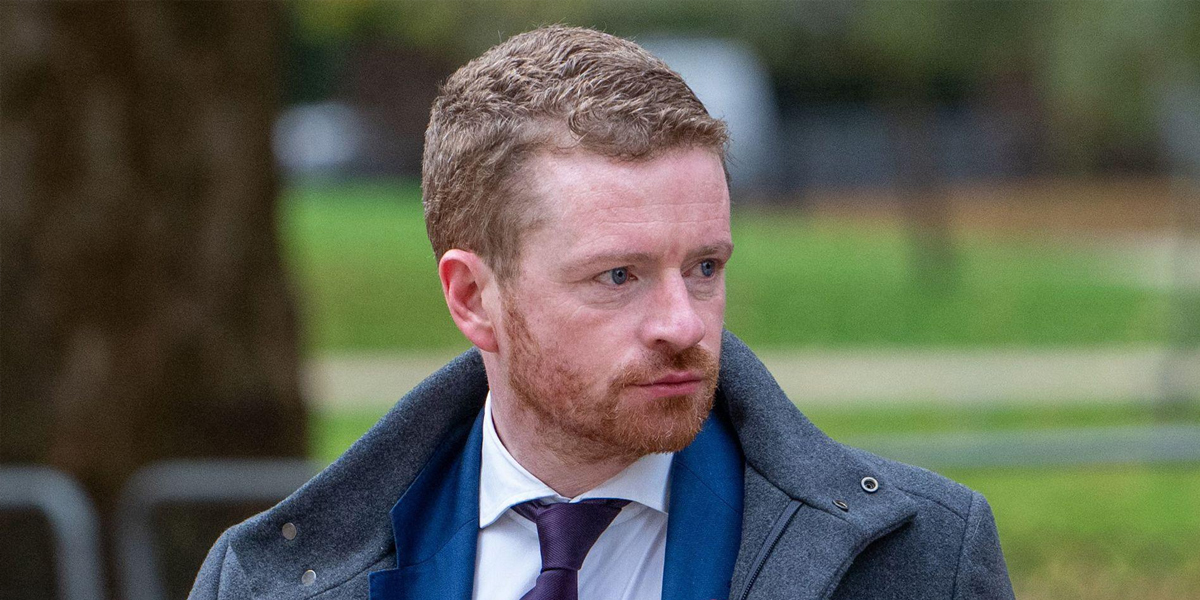
Former Labour chief of staff Morgan McSweeney has acknowledged that the party entered government without sufficient preparation following its decisive victory in the 2024 UK general election, admitting that Labour underestimated the challenges of governing in a rapidly changing political and economic environment. In his first major media interview since leaving Downing Street, McSweeney reflected on the factors that contributed to the government’s early difficulties, arguing that the party failed to fully anticipate the demands of office after spending years in opposition.
Speaking on the BBC’s Political Thinking with Nick Robinson podcast, McSweeney accepted personal responsibility for Labour’s lack of readiness, while stressing that the shortcomings extended beyond any individual adviser or senior official. He suggested the party had not adequately considered how Britain—and the wider world—had evolved since Labour last governed during the late 1990s and early 2000s, leaving ministers without a sufficiently developed strategy for delivering rapid change once in office.
The comments represent one of the most candid assessments yet from a senior figure involved in Labour’s return to government, offering insight into the internal reflections that followed Prime Minister Sir Keir Starmer’s dramatic political decline just two years after leading the party back to power.
Labour Underestimated the Challenges of Governing
McSweeney, who managed Labour’s successful 2024 general election campaign before serving as the Prime Minister’s head of political strategy, said the party entered government without a clear operational framework capable of responding quickly to public expectations.
According to McSweeney, Labour had not spent enough time discussing what governing would require in a significantly different political landscape compared with its previous period in office.
He explained that while senior figures recognised Britain had changed substantially over the previous two decades, the party failed to translate that understanding into a comprehensive plan for government. As a result, Labour struggled to establish clear priorities capable of delivering visible improvements during its crucial first months in power.
McSweeney argued that modern governments face intense public pressure to produce immediate results, particularly after winning office following prolonged periods in opposition. Without a coherent implementation strategy, he suggested, Labour found it difficult to convince voters that meaningful change was taking place quickly enough.
Election Victory Came Sooner Than Expected
The former adviser revealed that many within Labour had not expected the party to return to government as early as 2024 following its heavy electoral defeat in 2019.
He explained that a widespread assumption existed within the party that rebuilding public support would require at least two general elections, meaning much of Labour’s internal planning focused on preparing for another period in opposition rather than an immediate transition into government.
McSweeney recalled becoming increasingly concerned during planning meetings in early 2024 that preparations for governing remained insufficient despite improving electoral prospects.
According to his account, the party had simply not invested enough time in developing detailed plans for managing government departments, implementing policy priorities and responding to rapidly evolving domestic and international challenges.
He described Labour’s years in opposition as passing more quickly than anticipated, limiting opportunities to build the extensive administrative preparations normally associated with an incoming government.
Collective Responsibility Rather Than Individual Blame
McSweeney rejected suggestions that responsibility for Labour’s lack of preparation should fall solely on senior officials such as Sue Gray, who had been appointed before the election to oversee preparations for a potential Labour government.
Gray served as the party’s senior civil service adviser before McSweeney later assumed the chief of staff position following Labour’s return to office.
While acknowledging that questions had been raised regarding internal planning, McSweeney insisted the shortcomings reflected broader institutional issues within Labour rather than failures by any single individual.
He accepted personal responsibility for his own role, emphasising that the party collectively should have devoted greater attention to understanding the practical realities of governing after more than a decade in opposition.
Early Decisions Shaped Public Perception
Reflecting on Labour’s initial months in government, McSweeney argued that ministers should have projected greater optimism despite inheriting difficult public finances from the previous Conservative administration.
Instead, he suggested the government’s emphasis on fiscal challenges contributed to a negative public narrative that overshadowed its broader policy agenda.
Among the decisions he identified as particularly damaging was the government’s early move to restrict winter fuel payments for millions of pensioners through tighter means testing.
Although McSweeney maintained that targeting financial support toward lower-income pensioners remained an appropriate policy objective, he acknowledged that the income threshold chosen by ministers had been set too low, resulting in widespread criticism and forcing the government into a subsequent policy reversal.
According to McSweeney, the controversy significantly shaped public perceptions of the new administration during its formative months and undermined confidence in Labour’s broader programme.
Donor Gifts Also Damaged Government
The former chief of staff also accepted that controversy surrounding gifts provided to ministers by party donors created unnecessary political difficulties shortly after Labour entered office.
Public scrutiny intensified after it emerged that senior figures, including Sir Keir Starmer, had accepted clothing, spectacles and other personal items funded by supporters during their time in opposition.
McSweeney argued that while political leaders require appropriate clothing budgets because of frequent television appearances and election campaigning, those costs would have been better financed directly through official party campaign resources rather than donor-funded arrangements.
He acknowledged that the issue created avoidable reputational damage at a time when the government was attempting to establish public trust.
Reflections on Leadership Transition
During the interview, McSweeney also discussed Labour’s future leadership following Sir Keir Starmer’s departure.
He expressed optimism regarding Andy Burnham, widely regarded as the leading candidate to succeed Starmer, describing him as the appropriate person to guide the party into its next phase.
McSweeney also voiced support for Burnham’s proposal to establish a permanent Downing Street presence in Manchester as part of efforts to decentralise government decision-making.
Rather than viewing the proposal as symbolic, he argued that senior officials living and working outside London could help broaden perspectives within central government and strengthen understanding of regional priorities across the United Kingdom.
According to McSweeney, embedding elements of government beyond Westminster would represent a meaningful institutional reform rather than a political gesture.
Thoughts on Donald Trump
The interview also included reflections on Sir Keir Starmer’s interactions with US President Donald Trump.
McSweeney described Trump as being considerably more humorous in private conversations than he had expected, recalling a phone call during which the American president joked about foxes, birds and wind turbines.
According to McSweeney, officials present during the conversation struggled to contain their laughter as Trump delivered an extended anecdote about wildlife and renewable energy, illustrating a more informal side of the president’s personality.
Leaving Politics Behind
Looking ahead, McSweeney indicated he has no immediate intention of returning to frontline British politics.
Having played a central role in Labour’s electoral revival and subsequent period in government, he said he intends to pursue an entirely different professional direction for at least the next several years.
He also revealed that he found Sir Keir Starmer’s resignation emotionally difficult to watch, admitting he was unable to watch the entire Downing Street resignation speech because of the sadness surrounding the end of the administration.
Despite acknowledging Labour’s achievements in returning to government after years in opposition, McSweeney concluded that insufficient preparation for the realities of governing ultimately contributed to the challenges that defined the party’s early period in office. His reflections offer a rare insider assessment of the strategic lessons Labour believes it must learn as it prepares for its next chapter under new leadership.