
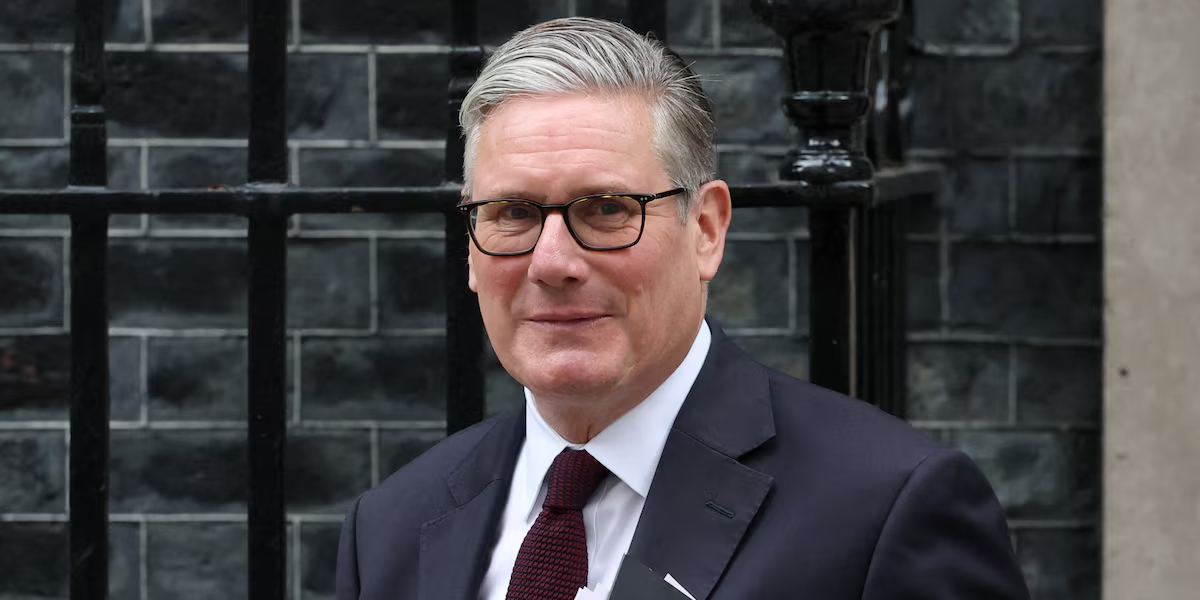
Outgoing UK Prime Minister Keir Starmer has stressed that his successor will be unable to devote less attention to international diplomacy and global security than he did during his tenure, arguing that foreign affairs and domestic policy have become inseparable in an increasingly volatile world. His remarks come as debate intensifies over the priorities of Britain’s next government, with some political figures calling for a stronger focus on domestic issues such as housing, infrastructure, living standards and public services.
Speaking in a BBC interview following his announcement that he will step down after two years in office, Starmer rejected suggestions that future leadership could afford to reduce engagement in international affairs. Instead, he maintained that global developments have a direct and immediate impact on the United Kingdom’s economy, national security and overall prosperity, making sustained diplomatic involvement an essential responsibility for any prime minister.
Starmer Links Domestic Priorities to International Engagement
Addressing criticism over the amount of time his government dedicated to foreign policy, Starmer argued that the distinction between domestic governance and international diplomacy has become increasingly blurred.
He said discussions about balancing attention between domestic concerns and global affairs overlook the reality that both areas are closely interconnected. According to Starmer, international conflicts, geopolitical tensions, trade relationships and security challenges directly influence economic stability, investment, inflation, energy security and the wellbeing of British citizens.
When asked whether Britain’s next prime minister could spend less time handling diplomatic affairs, Starmer responded that such an approach would not be feasible under current global circumstances.
His comments reflect growing concerns across Europe about geopolitical instability, ongoing international conflicts, shifting alliances and economic uncertainty, all of which continue to shape national policymaking.
Foreign Policy Became a Defining Feature of Starmer’s Premiership
Throughout his two years in office, Starmer positioned international engagement as one of the defining characteristics of his administration. His government consistently emphasized Britain’s role in supporting international security partnerships, strengthening alliances and participating in multinational diplomatic initiatives.
Among the achievements highlighted by Starmer was the UK’s continued support for Ukraine, alongside active participation in international coalitions aimed at addressing global security challenges. He argued that these efforts helped reinforce Britain’s standing as a reliable international partner while restoring confidence in the country’s leadership on the world stage.
In a video shared on the social media platform X under the title “With Keir,” Starmer defended the international focus of his administration, stating that Britain had regained respect and influence among its allies.
He said that other nations increasingly looked to the UK for leadership during periods of international uncertainty, describing this as one of the accomplishments of which he was most proud during his time as prime minister.
Debate Intensifies Over Britain’s Next Political Priorities
Starmer’s comments come amid growing political discussion about the direction Britain’s next government should take after his departure.
One of the leading figures expected to succeed him, Labour lawmaker Andy Burnham, has repeatedly emphasized the need to shift greater attention toward domestic priorities. Burnham has pledged to focus on improving living standards, expanding housing supply, investing in transport and infrastructure, strengthening regional economies and devolving more powers away from central government.
Supporters of this approach argue that many voters remain primarily concerned with everyday issues, including the cost of living, healthcare, employment opportunities and public services. They believe the next administration should devote greater political capital to addressing these long-standing domestic challenges.
However, Starmer’s latest remarks suggest that future governments will find it difficult to reduce their international commitments regardless of domestic pressures.
Global Instability Continues to Shape UK Policy
The outgoing prime minister indicated that the rapidly changing international landscape leaves little room for Britain to disengage from global affairs.
Geopolitical tensions, military conflicts, economic disruptions and security threats increasingly require coordinated international responses, placing foreign policy at the center of government decision-making. Starmer argued that developments overseas inevitably influence conditions within the UK, reinforcing the importance of sustained diplomatic engagement.
His position reflects the broader reality facing many Western governments, which continue to balance domestic economic priorities alongside growing international responsibilities.
Starmer Highlights Domestic Achievements Alongside Diplomatic Record
While defending his government’s international agenda, Starmer also pointed to several domestic accomplishments achieved during his time in office.
He cited efforts to stabilize the UK economy, reduce child poverty and strengthen the National Health Service as significant milestones of his administration. According to Starmer, these domestic achievements complemented—not competed with—his government’s active role in international diplomacy.
He suggested that responsible leadership requires governments to address both internal and external challenges simultaneously, rather than treating them as separate policy areas.
Leadership Transition Expected to Shape Future Policy Direction
As the Labour Party prepares to select a new leader, Starmer’s comments are expected to fuel ongoing debate about Britain’s future political direction.
The incoming prime minister will inherit a complex policy landscape characterized by economic pressures, public service reform, infrastructure investment needs and continued international uncertainty. While political priorities may evolve under new leadership, Starmer believes the demands of global diplomacy will remain unavoidable.
His remarks underscore the challenges facing future governments as they seek to balance domestic expectations with Britain’s expanding role in international affairs. With geopolitical developments continuing to influence economic performance, national security and foreign relations, the next UK leader is likely to face similar pressures to remain actively engaged on the global stage while simultaneously delivering meaningful improvements at home.