
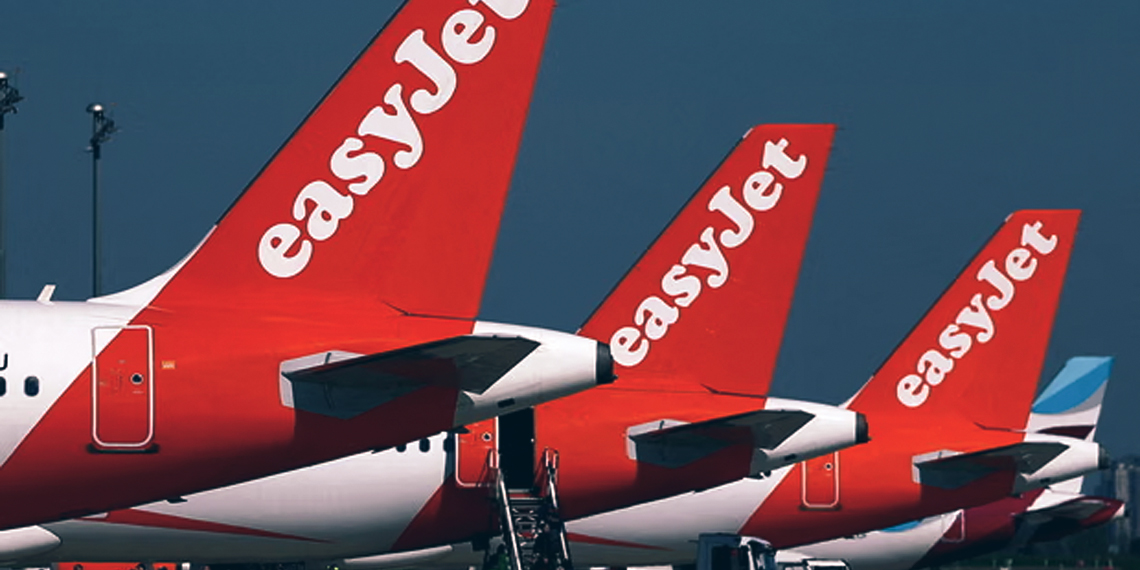
EasyJet has announced that it intends to accept a £5.5 billion takeover proposal from US-based investment firm Castlelake, marking one of the most significant transactions in the European aviation sector in recent years. If finalized, the agreement would take the UK’s largest low-cost airline private, ending its years as a publicly traded company and opening a new chapter focused on long-term investment, operational transformation, and fleet modernization.
The proposed acquisition follows several weeks of negotiations between the two companies, during which Castlelake submitted multiple offers before reaching an agreement in principle. Both parties confirmed that they are seeking additional time to finalize the transaction, while the airline’s board has indicated its willingness to recommend the latest proposal to shareholders.
Under the agreed terms, Castlelake has offered £6.90 per share, valuing easyJet at approximately £5.5 billion. The latest bid represents a significant improvement over the investment firm’s previous proposals, which were rejected after the airline concluded that they did not adequately reflect the company’s long-term value and growth prospects.
The announcement immediately attracted attention across financial markets, highlighting renewed interest from private equity investors in strategically important transport and aviation businesses as the industry continues its post-pandemic recovery.
EasyJet had previously dismissed an offer worth £6.50 per share, arguing that the proposal substantially undervalued the airline’s business, assets, and future earnings potential. Castlelake’s initial approach had been even lower, at £5.60 per share, before negotiations continued toward the improved offer now under consideration.
Despite the revised valuation, some shareholders had reportedly hoped for an even higher purchase price exceeding £7 per share, particularly given easyJet’s extensive European network, established market position, and valuable airport slots.
The airline’s shares closed at £5.58 before the announcement, giving the company a market capitalization of approximately £4.2 billion. The takeover premium therefore represents a substantial increase over its recent trading value and reflects Castlelake’s confidence in the carrier’s long-term commercial potential.
Should the transaction proceed, easyJet founder Stelios Haji-Ioannou, together with his family, stands to receive close to £800 million, reflecting their shareholding of more than 15% in the airline.
The proposed acquisition comes after a challenging period for easyJet, which has faced mounting operational and economic pressures throughout the year. The airline issued two profit warnings earlier in the year amid weaker-than-expected booking trends and rising operating costs.
Executives attributed much of the slowdown in customer demand to heightened geopolitical tensions, particularly the conflict involving the United States, Israel and Iran, which contributed to increased fuel prices and broader uncertainty across travel markets.
Higher aviation fuel costs have continued to place pressure on airline profitability, while inflation and cautious consumer spending have affected demand across several European travel markets.
EasyJet has also faced increasingly intense competition within Europe’s low-cost aviation sector. The airline competes directly with major budget carriers including Ryanair, Wizz Air and Jet2, all of which continue expanding routes and competing aggressively on pricing.
Maintaining profitability while investing in newer aircraft, improving customer services and expanding holiday operations has become increasingly challenging amid fluctuating economic conditions and higher operating expenses.
Against this backdrop, Castlelake believes easyJet represents a valuable long-term investment capable of delivering stronger financial performance under private ownership.
Castlelake, headquartered in Minneapolis, Minnesota, is a global investment firm specializing in asset-based finance and aviation investments. The company has built a significant presence within the airline industry through aircraft leasing, financing arrangements and strategic investments in aviation businesses worldwide.
Industry analysts suggest that Castlelake’s experience managing aviation assets could complement easyJet’s large aircraft fleet while creating opportunities to optimize financing structures and improve operational efficiency.
The investment firm has also shown interest in airline-related businesses beyond passenger transport. Market observers believe easyJet Holidays, the airline’s rapidly growing package holiday division, could become an important strategic asset under Castlelake’s ownership, although neither company has confirmed any plans regarding future restructuring.
Castlelake has previously invested in Scandinavian airline SAS and is currently in the process of divesting that holding following the carrier’s financial restructuring.
In their joint statement, Castlelake emphasized its commitment to supporting easyJet’s continued development rather than pursuing short-term financial gains.
The investment firm stated that it has significant respect for the airline’s workforce and intends to strengthen easyJet’s position as a resilient and competitive European carrier. Castlelake also expressed support for the airline’s ongoing investment strategy, including the acquisition of more fuel-efficient aircraft designed to lower operating costs while reducing environmental impact.
EasyJet currently operates from 164 airports across 38 countries, serving millions of passengers annually through one of Europe’s largest low-cost airline networks. The company employs approximately 19,000 people, although no announcements have been made regarding potential workforce changes if the acquisition is completed.
Because easyJet operates extensively within the European Union, any ownership change must comply with EU aviation regulations requiring airlines to remain under effective European control. Castlelake has previously indicated it intends to establish a European holding company controlled by EU nationals to satisfy these ownership requirements.
Among the proposed leadership structure are experienced aviation executives with backgrounds at several major international airlines, providing reassurance that operational expertise would remain central to the company’s future governance.
Financial advisers are continuing work on the transaction, with Evercore representing easyJet and Goldman Sachs advising Castlelake throughout negotiations.
The investment firm now has until 3 August to submit a formal binding offer or withdraw from the proposed acquisition.
If completed, the transaction would rank among the most significant private equity acquisitions in the European airline industry in recent years. Beyond reshaping easyJet’s ownership structure, the deal could influence future consolidation across the aviation sector as investors increasingly seek opportunities in airlines with established brands, extensive route networks, and long-term growth potential despite ongoing economic uncertainty.