
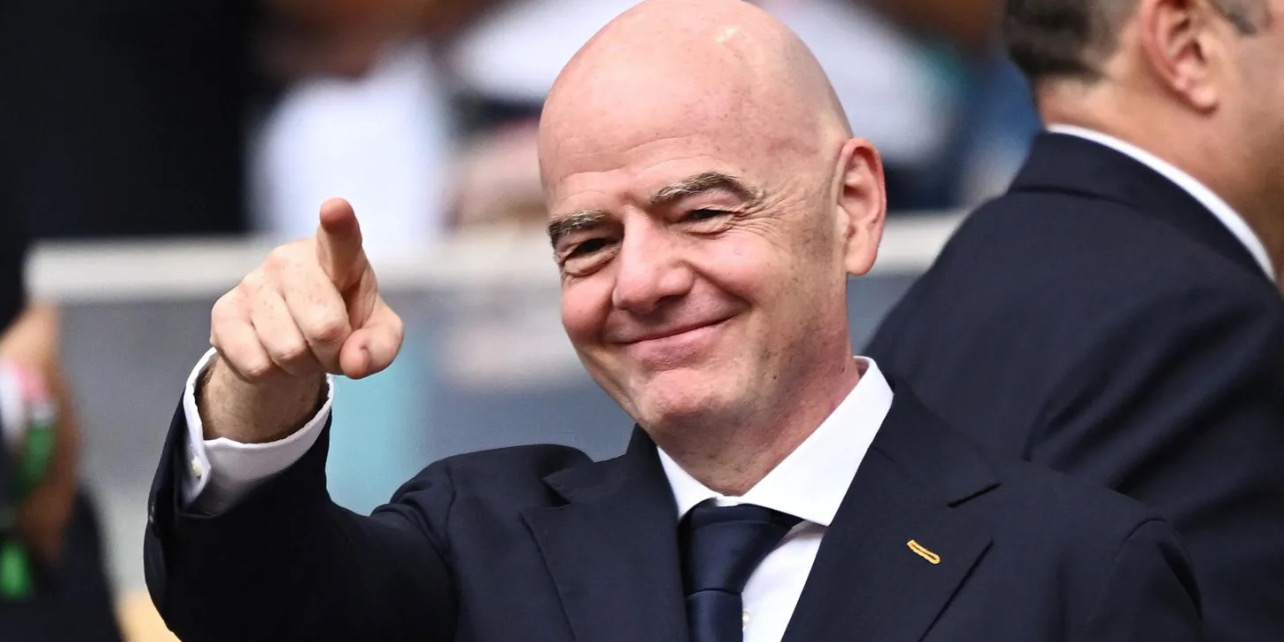
The Liberal Democrats have called on the Football Association (FA) and the Union of European Football Associations (UEFA) to withdraw from FIFA, arguing that football’s global governing body has lost its credibility and no longer serves the interests of the sport or its supporters. The party is urging European football authorities to spearhead the creation of a new international governing structure that prioritises transparency, integrity and the interests of fans over commercial considerations.
The intervention marks one of the strongest political criticisms of FIFA in recent years and follows a series of controversies surrounding the organisation’s governance, decision-making processes and expanding commercial strategy. The Liberal Democrats argue that repeated incidents have eroded confidence in FIFA’s leadership and demonstrated the need for structural reform rather than incremental changes.
The party’s proposal comes at a time when relations between FIFA and UEFA have become increasingly strained, with disagreements over disciplinary decisions, tournament management and governance further exposing divisions within international football.
Political Leaders Question FIFA’s Direction
Liberal Democrat leader Sir Ed Davey argued that FIFA has moved too far from its original purpose of promoting and protecting the global game. According to the party, the organisation has increasingly prioritised commercial interests while undermining the principles of fairness and sporting integrity that underpin international football.
Davey stated that football supporters deserve a governing body that places transparency, accountability and the interests of fans at the centre of decision-making. He suggested that the only viable route toward meaningful reform would involve a coordinated withdrawal by the FA, UEFA and other national football associations willing to establish an alternative governance model.
The Liberal Democrats contend that FIFA’s current structure no longer commands sufficient confidence among supporters and stakeholders, making comprehensive institutional reform increasingly necessary.
Recent FIFA Decisions Spark Fresh Criticism
The party’s criticism follows several high-profile controversies that have generated significant debate within the football community.
Among the most widely discussed was FIFA’s decision to overturn a match suspension imposed on an American player following intervention from United States President Donald Trump. The move attracted criticism from UEFA, which reportedly viewed the decision as an unprecedented interference with established disciplinary procedures.
UEFA described the reversal as crossing a “red line,” arguing that it undermined confidence in the consistency and independence of football’s disciplinary framework.
The incident has become a focal point in wider concerns regarding FIFA’s governance standards and the perceived influence of political considerations over sporting decisions.
Commercial Priorities Under Increasing Scrutiny
Beyond disciplinary matters, FIFA has also faced criticism over the commercial management of its international competitions.
Supporters and football organisations have questioned the governing body’s ticket pricing strategy during recent tournaments, particularly its use of dynamic pricing systems that resulted in significantly higher costs for many spectators.
Critics argue that rapidly increasing ticket prices risk making major international competitions less accessible to ordinary supporters while placing greater emphasis on revenue generation.
Additional controversy has surrounded proposals to expand commercial opportunities during matches, including longer hydration breaks that could reportedly generate substantial additional advertising income.
Opponents argue that such measures risk altering the traditional flow of football primarily for commercial benefit rather than sporting necessity.
FIFA President Gianni Infantino has defended the organisation’s approach, maintaining that ticket prices remain broadly comparable with other major sporting events hosted in the United States.
Tensions Between FIFA and UEFA Continue to Grow
Relations between FIFA and UEFA have become increasingly strained in recent years, with disagreements extending beyond individual disciplinary cases.
European football officials have expressed concerns regarding governance practices, competition structures and the balance of authority between the two organisations.
The dispute surrounding disciplinary action involving Folarin Balogun has further intensified tensions, with UEFA questioning FIFA’s handling of the matter and expressing concern over what it considers inconsistent governance standards.
These disagreements have fuelled wider debate regarding the future relationship between Europe’s governing body and FIFA.
Although both organisations continue to oversee different aspects of international football, observers note that policy differences have become increasingly visible.
Withdrawal Would Carry Significant Consequences
While the Liberal Democrats advocate a coordinated withdrawal from FIFA, such a move would carry major sporting implications.
The Football Association is currently one of FIFA’s 211 member associations. Membership enables England to participate in FIFA competitions, including the FIFA World Cup.
Should the FA formally withdraw, England would become ineligible to compete in future World Cup tournaments unless alternative arrangements were established.
Recognising these implications, the Liberal Democrats argue that any withdrawal should occur alongside UEFA and other willing national associations to facilitate the creation of a replacement international governing structure.
According to the party, coordinated action would provide an opportunity to rebuild global football governance around stronger principles of accountability and democratic oversight.
Campaign Groups Support Wider Debate
Calls for discussion regarding FIFA’s future are not confined to political circles.
The Football Action Network, which campaigns on governance issues within football, believes the sport should engage in a broader debate regarding international governance reforms.
Its chair, Niall Couper, argued that meaningful institutional reform should remain under consideration if FIFA proves unwilling to address persistent concerns surrounding governance and accountability.
The organisation maintains that all potential options should remain available if confidence in the governing body’s ability to reform continues to decline.
Infantino’s Presidency Remains Divisive
Since assuming the FIFA presidency in 2016, Gianni Infantino has overseen significant expansion of the organisation’s commercial activities and international competitions.
Supporters credit his leadership with increasing financial investment available to national football associations while expanding football development programmes across multiple regions.
Critics, however, argue that governance has become increasingly centralised, with greater emphasis placed on commercial growth than on protecting supporter interests and strengthening institutional accountability.
Some observers also contend that governance standards have weakened as FIFA has pursued ambitious expansion strategies across global competitions.
Despite ongoing criticism, Infantino is widely expected to retain strong backing from FIFA’s member associations and is anticipated to secure a fourth presidential term, potentially extending his leadership through 2031.
Liberal Democrats Call for Transparent Governance
The Liberal Democrats argue that international football requires a governance model capable of commanding public trust.
Anna Sabine, the party’s spokesperson for Culture, Media and Sport, criticised FIFA’s institutional culture, suggesting that the organisation increasingly operates without sufficient transparency or accountability.
She argued that continued support for existing leadership despite recurring controversies risks undermining public confidence in football’s international administration.
According to the party, supporters deserve governance systems built upon integrity, openness and independent oversight rather than structures perceived to concentrate authority within a small leadership group.
Future of Global Football Governance Under Renewed Spotlight
The Liberal Democrats’ proposal has reignited debate over the future governance of world football at a time when scrutiny of international sporting organisations continues to intensify.
While no formal indication has emerged that either the Football Association or UEFA intends to leave FIFA, the growing criticism from political leaders, campaign organisations and sections of the football community reflects broader questions regarding accountability, transparency and commercial influence within the sport.
As FIFA continues to oversee the world’s most prestigious football competitions, pressure is likely to remain on its leadership to demonstrate stronger governance standards and rebuild confidence among supporters, national associations and stakeholders.
Whether those reforms emerge from within the organisation or through wider structural changes remains one of the most significant questions facing international football in the years ahead.